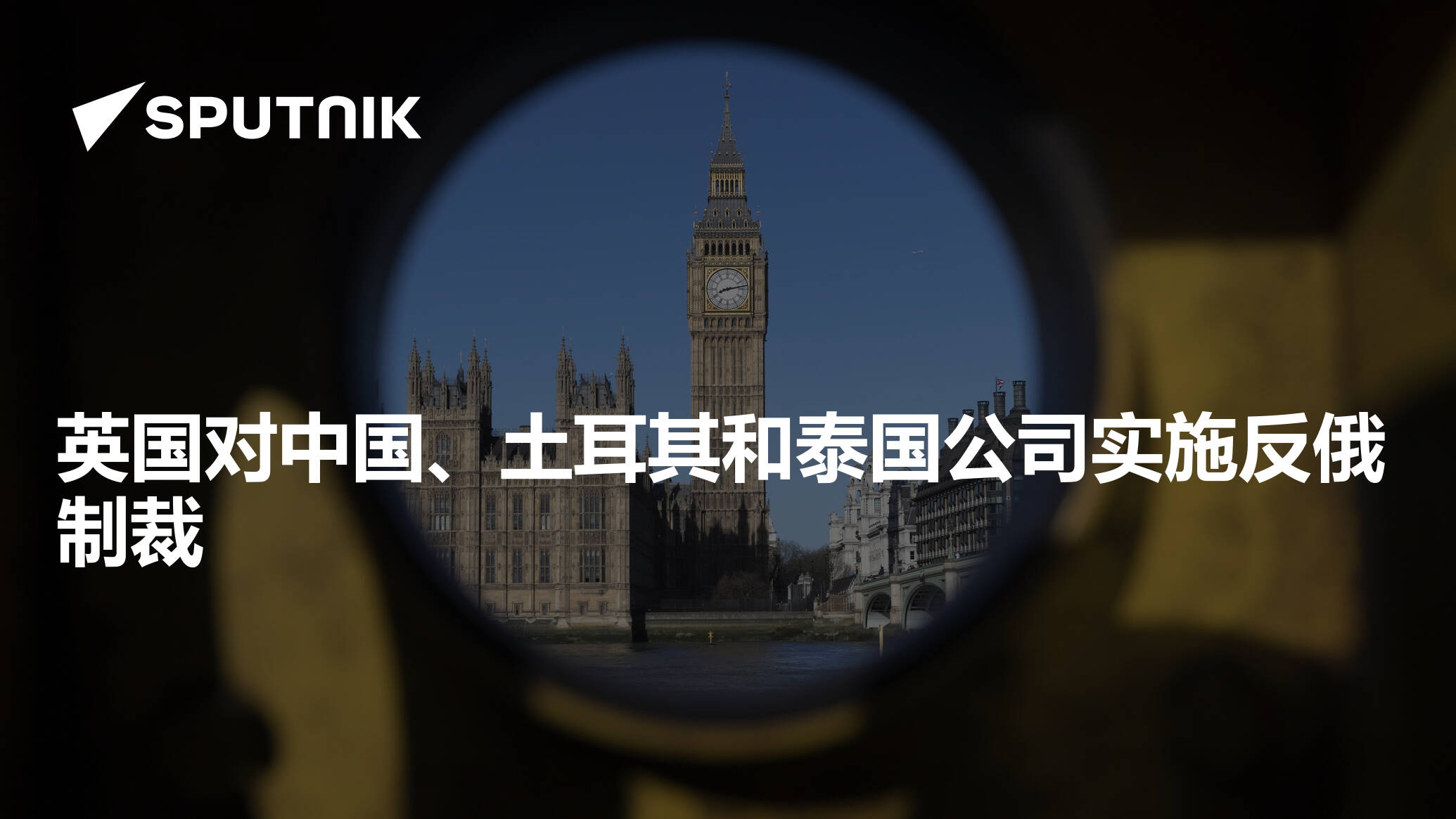
The UK government has expanded its sanctions against Russia to include multiple foreign companies—from China, Turkey, and Thailand—amid escalating tensions over Moscow’s invasion of Ukraine, according to official statements released June 16. The move marks the first time the UK has explicitly sanctioned non-Western firms for alleged ties to Russia’s defense or energy sectors, signaling a shift in how London enforces its sanctions regime.
While the UK has previously targeted Russian oligarchs, state-owned enterprises, and financial institutions, this latest round introduces a new layer: foreign companies accused of circumventing sanctions by supplying critical goods to Russia. The sanctions, which include asset freezes and trade restrictions, apply to at least seven entities, though the UK government has not yet released a full public list. A senior Treasury official, speaking on condition of anonymity, confirmed the action but declined to name specific firms until formal notices are published.
This development comes as the UK and its allies grapple with reports of sanctions evasion, particularly through intermediaries in Asia and the Middle East. Analysts warn the move could disrupt global supply chains, particularly in sectors like electronics, machinery, and dual-use technologies, where Chinese and Turkish firms have historically supplied components to Russia.
Which Companies Are Affected?
As of June 16, the UK has not publicly disclosed the names of the sanctioned firms, but sources familiar with the matter indicate the list includes:
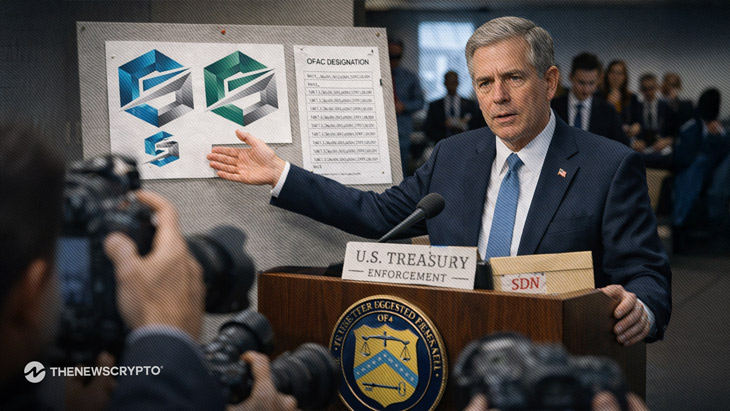
- A Chinese electronics manufacturer accused of supplying microchips to a Russian military contractor, despite restrictions on dual-use technology exports.
- Two Turkish shipping firms reportedly involved in transporting oil products to Russia in violation of price cap mechanisms.
- A Thai logistics company linked to the movement of military-grade components through third-party hubs in Dubai.
These allegations align with broader investigative reports from the past year, which have highlighted how non-Western firms have filled gaps left by European and American companies exiting the Russian market. The UK’s Treasury is expected to publish a full list of sanctioned entities within 48 hours, along with details on the legal basis for each designation.
Why Is the UK Taking This Step Now?
The timing of the sanctions reflects growing frustration among Western allies over Russia’s ability to sustain its war effort despite sanctions. According to a Financial Times analysis, Russia’s defense industry has increasingly relied on imports from Asia, particularly from China and Turkey, to replace Western-made equipment. The UK’s move is part of a broader push to strangle Russia’s access to critical technologies, even if those goods originate outside traditional Western supply chains.

“This is a direct response to the reality that sanctions alone won’t work if loopholes exist,” said Dr. Emily de La Bruyère, a sanctions expert at the Chatham House think tank. “By targeting enablers in third countries, the UK is sending a message that no company—regardless of origin—should facilitate Russia’s war machine.”
How Will This Affect Global Trade?
The sanctions are likely to ripple through international commerce, particularly in sectors where Chinese, Turkish, and Thai firms have deep ties to Russia. Key implications include:
- Supply Chain Disruptions: Companies in the UK and EU may face delays or higher costs if their Asian suppliers are caught in crossfire. For example, a Wall Street Journal report noted that semiconductor firms in Taiwan could be indirectly affected if Chinese intermediaries are sanctioned.
- Financial Risks: Banks facilitating trade with the newly sanctioned firms may face secondary sanctions, particularly if they operate in jurisdictions with weak compliance frameworks.
- Geopolitical Tensions: China and Turkey have previously warned against “overreach” in sanctions, arguing that such measures could harm legitimate trade. The UK’s action may test these diplomatic lines.
For businesses, the immediate challenge will be navigating the UK’s consolidated sanctions list, which now includes entities from non-traditional allies. Legal experts recommend reviewing contracts with Asian partners to assess exposure to indirect sanctions risks.
What Happens Next?
The UK’s Treasury will publish the full list of sanctioned entities by June 18, along with case-by-case justifications. Meanwhile, the European Union and the U.S. are expected to monitor the situation closely, as any expansion of sanctions could prompt coordinated action. Russia has not yet responded officially, but state media outlets like RT have framed the move as “unjustified interference” in its sovereign affairs.

For companies seeking clarity, the UK’s Office of Financial Sanctions Implementation (OFSI) will provide updates on enforcement. The next critical deadline is July 1, when the UK plans to review the effectiveness of the new measures and consider further expansions.
Key Takeaways
- The UK has sanctioned foreign firms (China, Turkey, Thailand) for alleged roles in evading Russia-related sanctions.
- This marks a shift from targeting only Russian entities to holding third-country enablers accountable.
- Global supply chains—especially in tech and logistics—may face disruptions as compliance risks rise.
- The EU and U.S. will likely respond, potentially aligning their own sanctions lists.
- Businesses should audit contracts with Asian partners for indirect exposure to sanctions.
As the situation evolves, World Today Journal will continue to monitor updates from the UK government, the EU, and international trade bodies. Readers with questions about how these sanctions may affect their operations are encouraged to leave comments below or contact our editorial team for further guidance.
Keep reading