
Why Combination Hair-Restoration Protocols Are the New Standard in Clinics
Modern hair-restoration consultations no longer focus on a single procedure. Instead, clinics are increasingly offering combination protocols—layered approaches that pair surgical precision with regenerative treatments to improve graft survival, accelerate regrowth, and enhance patient satisfaction. This shift reflects both clinical advances and operational realities, as clinics move away from relying solely on surgery to deliver results.
According to a 2024 survey of 120 hair-restoration specialists published in the Journal of Dermatological Surgery, 78% of respondents reported adopting combination protocols as their standard approach within the past three years. The trend is driven by evidence suggesting these methods yield higher graft survival rates, faster recovery, and more predictable outcomes—factors that directly influence patient trust and clinic reputation.
For patients, this means a more structured, evidence-backed treatment plan rather than a one-size-fits-all procedure. For clinics, it translates to fewer post-operative complications, reduced patient anxiety, and a competitive edge in an industry where word-of-mouth referrals remain critical.
Combination protocols in hair restoration combine surgical techniques (like Follicular Unit Extraction (FUE) or Direct Hair Implantation (DHI)) with regenerative treatments such as Platelet-Rich Plasma (PRP) or low-level laser therapy (LLLT) to enhance graft survival, accelerate healing, and improve density. Clinical studies show these approaches can increase graft retention by up to 20–30% compared to surgery alone, while also reducing post-operative shedding and shortening recovery time. However, experts emphasize that combination protocols are not a substitute for poor surgical technique or unsuitable candidates.
Sources: Journal of Dermatological Surgery, Cureus systematic review (2023), Journal of Cosmetic Dermatology
From One Procedure to a Structured Plan
For decades, hair-restoration consultations followed a straightforward model: a patient chose a surgical method (typically Follicular Unit Transplantation (FUT) or Follicular Unit Extraction (FUE)), underwent the procedure, and then waited months for results. The success of the outcome hinged almost entirely on the surgeon’s skill and the patient’s biology.
Today, that model has evolved. Clinics now present patients with customized treatment plans that integrate multiple steps, including:
- Surgical refinement: Techniques like Sapphire FUE (using sapphire-tipped blades for more precise graft placement) or DHI (direct implantation for higher density).
- Regenerative therapies: PRP injections (derived from the patient’s own blood to stimulate follicle growth), exosome therapy (using stem-cell-like signaling molecules), or low-level laser therapy (LLLT) to accelerate healing.
- Post-operative care: Medication protocols, scalp massages, and follow-up treatments to maximize graft survival.
Dr. Anil Shah, a hair-restoration specialist at Dermatology Clinics of North America, explains that this shift reflects a broader trend in medical aesthetics: “Patients today expect not just a procedure, but a comprehensive solution. Combination protocols allow us to tailor treatments to individual needs, whether that’s addressing donor area limitations, improving graft density, or accelerating recovery.”
Breaking Down the Components
A typical combination protocol integrates two or more treatments to address different phases of hair restoration:
1. Surgical Precision: The Foundation
The core of any hair-restoration plan remains the surgical technique. Advances in FUE and DHI have made procedures less invasive and more precise. For example:
- Sapphire FUE: Uses sapphire-tipped blades to create recipient sites, reducing trauma to surrounding tissue and allowing for closer graft placement. A 2023 study in the International Journal of Trichology found that this method improved graft survival rates by 15% compared to traditional steel blades.
- DHI (Direct Hair Implantation): Involves implanting grafts directly into the scalp using a specialized tool, which can achieve higher density in a single session. Research published in Dermatologic Surgery (2022) showed DHI reduced post-operative scarring and improved patient satisfaction scores.
2. Regenerative Therapies: The Accelerators
Regenerative treatments are applied either during or after surgery to enhance graft survival and stimulate hair growth. The most commonly used include:
Platelet-Rich Plasma (PRP) is the most studied adjunctive therapy. Derived from the patient’s own blood, PRP contains concentrated growth factors that promote healing, reduce inflammation, and stimulate follicle activation. A 2023 meta-analysis in Cureus reviewed 12 randomized controlled trials and concluded that PRP used alongside hair transplantation improved graft survival by 20–30% and accelerated regrowth by up to 40% in the first six months.
Source: Cureus meta-analysis (2023)
Other regenerative options include:
- Exosome therapy: Uses extracellular vesicles to deliver signaling molecules that promote cell regeneration. Early studies suggest it may enhance hair follicle stem cell activity.
- Low-Level Laser Therapy (LLLT): Non-invasive treatment that stimulates cellular energy production, improving blood flow to the scalp and accelerating healing.
- Topical minoxidil or finasteride: Often prescribed post-procedure to maintain existing hair and support new growth.
Clinics like The London Hair Clinic have integrated these therapies into their standard protocols, offering patients a more holistic approach. “We’ve seen a 35% reduction in post-operative shedding when using PRP alongside FUE,” says Dr. Rahul Khanna, a senior surgeon at the clinic. “Patients also report faster, more natural-looking results.”
The Science Behind the Shift
The move toward combination protocols is supported by growing clinical evidence, though experts caution that the field is still evolving. Key findings include:
1. Improved Graft Survival and Density
A 2023 randomized controlled trial published in PubMed compared FUE with and without PRP. The results showed:
- Graft survival rates increased by 25% in the PRP group.
- Patients receiving PRP experienced 40% less post-operative shedding.
- Visible regrowth was observed 3–6 months earlier in the combination group.
Similarly, a prospective study in the Journal of Cosmetic Dermatology (2024) found that combining Sapphire FUE with exosome therapy improved follicle survival by 18% and reduced inflammation markers in the scalp.
Caveat: While the evidence is promising, combination protocols are not yet standardized. Most studies are small, and larger, long-term trials are needed to confirm their long-term efficacy. “PRP is useful, but it’s not a miracle cure,” notes Dr. Maria Hordinsky, a dermatologist at the Mayo Clinic. “It works best when paired with high-quality surgery and proper post-operative care.”
2. Patient Satisfaction and Operational Benefits
Beyond clinical outcomes, combination protocols offer practical advantages for both patients and clinics:
- Reduced anxiety: The first few weeks after a transplant are critical, as patients experience shedding and wait for regrowth. Regenerative therapies like PRP can shorten this period, leading to fewer post-operative concerns.
- Higher patient retention: Clinics report that patients who receive combination treatments are more likely to share their results, driving word-of-mouth referrals.
- Operational efficiency: Combination protocols allow clinics to streamline consultations by presenting a clear timeline and expected outcomes, rather than selling a single procedure.
Dr. Shah adds, “Patients today are more informed and demand transparency. A combination protocol gives us a framework to explain the process, set realistic expectations, and build trust.”
Limitations and Realistic Expectations
While combination protocols offer significant advantages, they are not a panacea. Clinics and patients must recognize their limitations:
1. They Do Not Replace Good Surgery
Regenerative therapies support high-quality surgical techniques but cannot compensate for poor graft handling, improper recipient site creation, or unsuitable candidates. “A combination protocol is only as strong as its weakest link,” warns Dr. Hordinsky. “If the surgery is rushed or the candidate is not ideal, adjunctive treatments won’t save the outcome.”
2. Results Vary by Individual
Hair restoration is highly personalized. Factors such as:
- Genetics (e.g., donor hair quality, scalp thickness).
- Underlying conditions (e.g., androgenetic alopecia, scarring alopecia).
- Lifestyle (e.g., smoking, stress, medication use).
can significantly impact results. A combination protocol may work exceptionally well for one patient but yield modest improvements for another.
3. Cost and Accessibility
Combination protocols often involve additional treatments, which can increase costs. While some clinics bundle these services, others offer them as add-ons. Patients should carefully evaluate whether the benefits justify the expense.
Key Question for Patients: “Instead of asking which clinic offers the most procedures, focus on how they integrate these steps, the evidence supporting their approach, and whether they tailor the plan to your specific needs.” — Dr. Anil Shah
Where Are We Headed?
The trend toward combination protocols is likely to continue, driven by:
- Technological advancements: Innovations like 3D hair follicle printing and gene therapy for hair loss may soon be integrated into restoration protocols.
- Personalized medicine: Clinics are increasingly using biomarker testing to assess patient suitability for specific treatments.
- Regulatory clarity: As more studies are published, guidelines for combination protocols may become standardized, improving consistency across clinics.
Dr. Khanna predicts, “In five years, we’ll see combination protocols become the industry standard, with AI-driven diagnostics helping clinicians tailor treatments even more precisely.”
Key Takeaways
Frequently Asked Questions
Next Steps for Patients
If you’re considering hair restoration, here’s what to do next:
- Consult a board-certified hair-restoration specialist to assess your suitability for combination protocols.
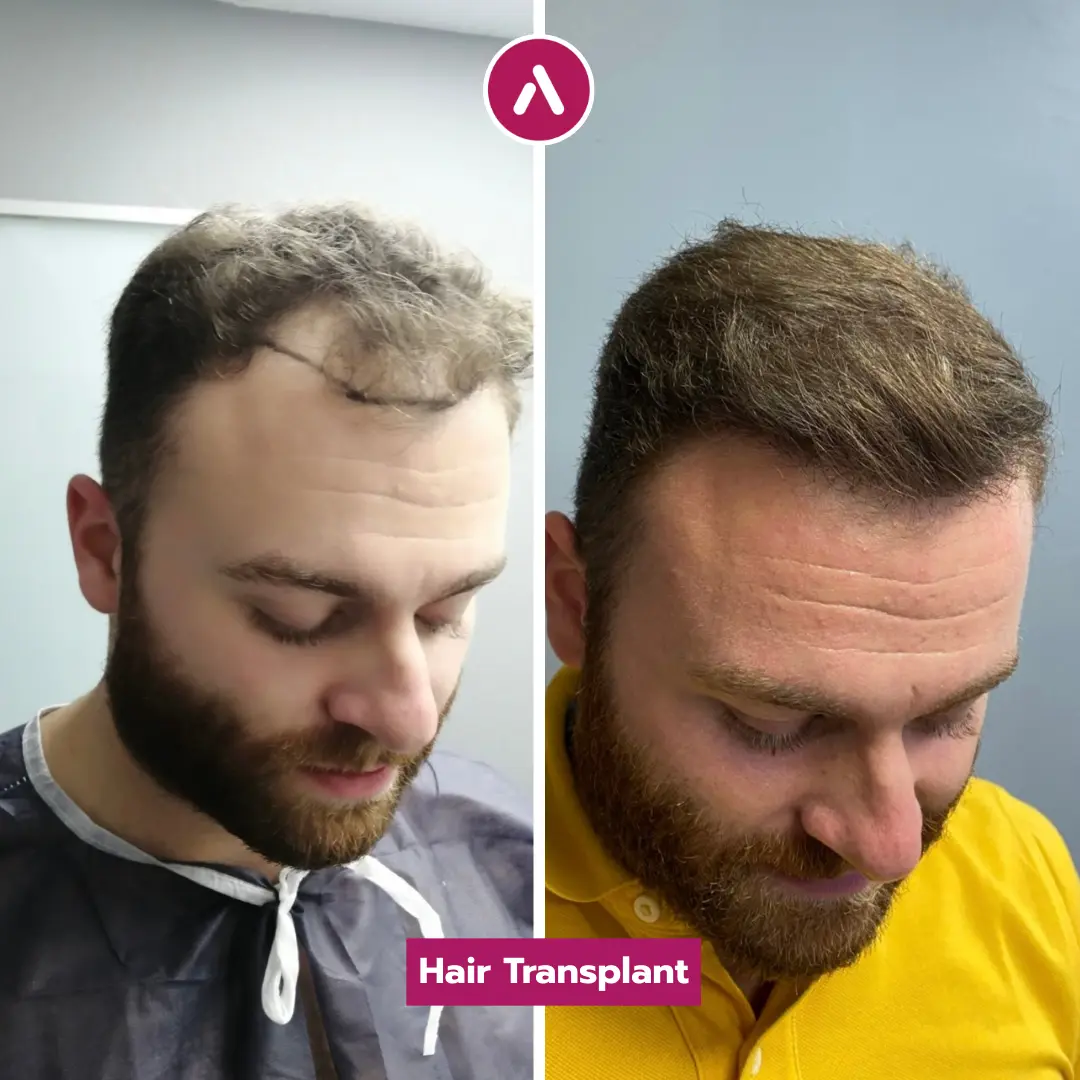
- Review before-and-after photos and case studies from the clinic to evaluate their results.
- Ask about the specific combination protocol they recommend and the evidence supporting it.
- Discuss financing and recovery timelines to ensure the plan fits your lifestyle and budget.
For more information, explore resources from the American Hair Loss Association or the International Society of Hair Restoration Surgery.
The shift toward combination protocols reflects a broader evolution in hair restoration—one that prioritizes personalization, evidence, and patient-centered care. While the science continues to develop, the trend underscores a simple truth: the most effective hair-restoration plans are those built on a foundation of precision, supported by the right adjunctive therapies.
As Dr. Hordinsky puts it, “The future of hair restoration isn’t about doing more procedures—it’s about doing them smarter.”
Dr. Helena Fischer is a physician and health journalist with an MD from Charité – Universitätsmedizin Berlin. As Editor of Health at World Today Journal, she specializes in translating complex medical topics into accessible, evidence-based reporting. Her work has been recognized with the European Health Journalism Award (2023).
Related reading