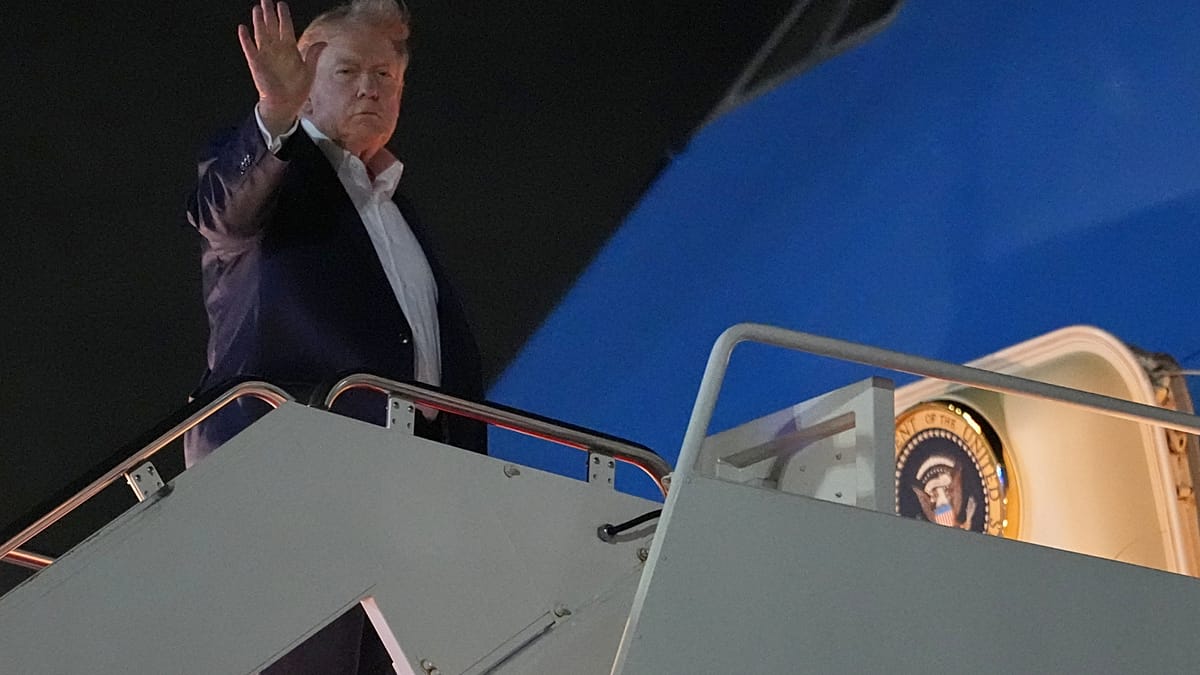
U.S. President-elect Donald Trump has signaled a potential shift in foreign policy priorities, stating his intention to focus on the ongoing Russia-Ukraine war following the resolution of recent diplomatic discussions regarding Iran. Meanwhile, French President Emmanuel Macron has intensified calls for European and international allies to exert greater pressure on Moscow to accelerate a path toward peace. These developments come as Ukrainian President Volodymyr Zelenskyy continues a series of high-level diplomatic engagements to secure sustained military and financial support for his country’s defense efforts.
The transition of power in Washington remains a focal point for global observers, particularly regarding how the incoming administration will manage the conflict in Eastern Europe. According to Reuters, President-elect Trump’s remarks suggest a reordering of regional priorities, placing the Ukraine conflict at the center of his immediate foreign policy agenda once his administration assumes office in January 2025. This pivot follows recent reports of his team’s efforts to engage in various diplomatic channels, though the specifics of any potential peace framework remain undisclosed.
Macron’s Call for Increased Pressure on Moscow
French President Emmanuel Macron has maintained a firm stance on the necessity of diplomatic and economic pressure against the Kremlin. During recent international summits, Macron has consistently urged Western allies to avoid complacency, arguing that only a decisive and unified front can compel Russia to negotiate in good faith. As reported by France 24, the French government views the current military stalemate not as an opportunity to reduce support for Kyiv, but as a critical window to leverage sanctions and military aid to shift the tactical balance.
The European Union remains a primary vehicle for this strategy. Member states have been debating the implementation of further restrictive measures, including stricter enforcement of existing oil price caps and the potential for additional asset freezes targeting Russian financial entities. Analysts note that while there is broad consensus on the need to support Ukraine, the intensity of these measures often varies across the bloc, with leaders like Macron pushing for a more aggressive posture to match the urgency of the situation on the ground.
Zelenskyy’s Diplomatic Strategy and International Alliances
President Volodymyr Zelenskyy has spent the recent weeks traveling through Europe to meet with heads of state, emphasizing the critical nature of the coming winter months for Ukraine’s infrastructure and military readiness. His participation in forums, including recent meetings in France, serves to keep the conflict at the forefront of the global political discourse. According to the Kyiv Post, Zelenskyy’s primary objective is to secure long-term security guarantees and ensure that the flow of air defense systems remains uninterrupted, especially as Russia continues its campaign against Ukraine’s energy grid.

The Ukrainian government has also been active in addressing internal reforms required for potential European Union and NATO integration. These efforts are intended to demonstrate to international donors that aid is being managed transparently and effectively. Despite the complexities of the battlefield, the Ukrainian leadership maintains that a “just and lasting peace” can only be achieved through the restoration of territorial integrity and the withdrawal of Russian forces, a position consistently reiterated during bilateral talks with European partners.
Geopolitical Implications of U.S. Policy Shifts
The prospect of a change in U.S. policy toward Ukraine creates uncertainty for European leaders who have relied heavily on American military intelligence and financial backing. Since the start of the full-scale invasion in February 2022, the United States has provided billions of dollars in security assistance, as documented by the U.S. Department of State. Any alteration to this commitment would require European nations to significantly increase their own defense spending and industrial output to cover the potential shortfall.
Policy experts suggest that the next few months will be a period of intense diplomatic maneuvering. While the incoming U.S. administration has not yet released a detailed roadmap for the conflict, the stated intent to prioritize the war suggests that a new round of high-level negotiations could be on the horizon. Whether these talks will lead to a de-escalation or a hardening of positions remains a subject of intense debate among security analysts in Brussels, Washington, and Kyiv.
Looking Ahead: Key Diplomatic Checkpoints
The international community is now looking toward the formal inauguration of the new U.S. administration on January 20, 2025, as a definitive marker for policy shifts. Prior to that date, several multilateral meetings are expected to take place, where European leaders will likely seek to solidify their unified position on continued support for Ukraine. Readers are encouraged to monitor updates from the European Council for official statements regarding upcoming summits and collective defense agreements.

As the situation develops, we will continue to provide verified updates on the diplomatic and military status of the conflict. We invite our readers to share their thoughts and engage in the discussion below as we track these significant geopolitical changes.
Related reading