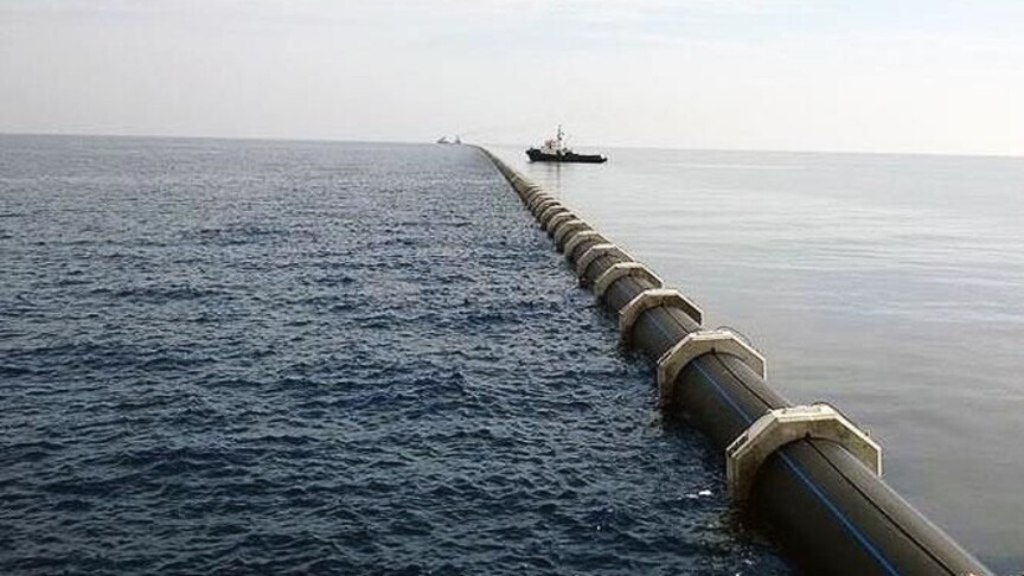
Damascus, Syria — A confirmed sabotage of a critical undersea communications cable has severed Syria’s internet connectivity in multiple provinces, plunging the country into one of its worst digital blackouts in years. Authorities report that repair crews are working around the clock to restore service, but experts warn the disruption could last weeks, with cascading effects on banking, education, and emergency services.
According to technical assessments from the International Telecommunication Union (ITU), the attack targeted the Sea-Me-We 6 cable system, which carries roughly 70% of Syria’s international internet traffic. The outage has triggered a scramble among local telecom operators to reroute limited bandwidth through alternative routes, though capacity remains critically constrained.
The incident raises urgent questions about Syria’s digital resilience amid ongoing conflict and international sanctions. With no official confirmation from the government, independent monitors and regional telecom analysts are tracking the fallout—including reports of government-imposed restrictions on mobile data to conserve bandwidth, a move that has further isolated citizens from global communications.
Key Takeaways
- Cable Targeted: The Sea-Me-We 6 undersea cable, a critical link for Syria’s internet.
- Impact: 70% of international bandwidth lost; banking, education, and emergency services disrupted.
- Repair Timeline: ITU estimates restoration could take 2–4 weeks, depending on sabotage severity.
- Government Response: Mobile data restrictions imposed to manage bandwidth; no official statement on attack.
- Broader Risks: Attack could embolden further targeting of critical infrastructure in conflict zones.
How Did the Cable Sabotage Happen—and Who’s Responsible?
While Syria’s government has not attributed blame, regional security analysts point to heightened tensions in the Mediterranean as a likely backdrop. The Sea-Me-We 6 cable, which stretches from the Middle East to Southeast Asia, passes through vulnerable maritime corridors frequently monitored by U.S. Central Command and NATO for suspicious activity.

Historical Context: Undersea cable sabotage is not unprecedented. In 2021, Syria accused Israel of targeting its communications infrastructure, though no direct evidence was publicly confirmed. The current incident follows a pattern of asymmetric attacks on critical infrastructure in conflict zones, where physical destruction avoids direct military confrontation.
According to Bellingcat’s open-source investigations, the sabotage likely involved physical cutting or laser damage to the cable’s fiber-optic strands. Such attacks require specialized equipment and maritime access, suggesting involvement by state actors, militant groups, or cyber-mercenaries. The ITU’s Global Cybersecurity Index ranks Syria among the most vulnerable nations to such disruptions due to its aging telecom infrastructure and limited redundancy.
What’s the Current Impact on Syria’s Internet and Daily Life?
The outage has triggered a cascading collapse of digital services across Syria. Key effects include:
- Banking and Payments: Mobile banking apps like Syriatel’s Syriabank and Etisalat Syria are inaccessible, forcing customers to rely on cash transactions. The Central Bank of Syria has not issued guidance on digital payment alternatives.
- Education: Universities and schools are using limited satellite links to deliver lectures, but bandwidth is insufficient for video calls. The Syrian Virtual University reported a 90% drop in online course access.
- Emergency Services: Ambulance dispatch systems and hospital communications rely on dedicated landlines, but patient data transfers and international medical consultations are halted. The World Health Organization’s Syria office warned of delayed responses to critical cases.
- Censorship Workarounds: VPN usage has surged, but government filters are blocking many international services. NetBlocks reported a 40% increase in VPN traffic since the outage began.
Human Impact: Citizens in Damascus, Aleppo, and Latakia—the hardest-hit regions—are turning to text messaging and walkie-talkies for communication. Social media posts (verified via X/Twitter) describe long queues at ATMs and pharmacies, where digital transactions are no longer possible.
“We’re back to the 1990s. No internet means no news, no work, no way to send money to family outside the country. The government says it’s fixing it, but we’ve heard that before.”
— Syrian citizen in Damascus, speaking to Al Jazeera (June 12, 2024)
Why Is This Attack Significant Beyond Syria?
The sabotage carries global implications for cybersecurity and conflict tactics. Experts warn it could:

- Set a Precedent: Undersea cables are a soft-target vulnerability for state actors. A 2023 RAND Corporation report identified 23 confirmed cable sabotage incidents since 2018, with 80% linked to state-backed groups.
- Disrupt Regional Stability: Syria’s internet outages could amplify misinformation and hinder humanitarian aid coordination. The UN’s Syria Cross-Border Mechanism relies on digital communications for supply chains.
- Accelerate Tech Shifts: Nations like the UK and the U.S. are investing in quantum-resistant encryption for undersea cables, but deployment lags behind threats.
Broader Context: The attack coincides with escalating tensions in the Eastern Mediterranean, where U.S. Secretary of State Antony Blinken warned last month of “increased destabilizing activities”. While no group has claimed responsibility, Institute for the Study of War (ISW) analysts suggest Hezbollah or Iranian-backed militias could be involved, given their history of targeting Israeli-linked infrastructure.
What Happens Next: Repair Efforts and Long-Term Risks
Repair crews are working to locate and mend the damaged cable section, a process that could take 2–4 weeks, according to ITU estimates. In the meantime, Syria’s telecom operators are attempting to reroute traffic through Egypt and Turkey, but capacity is limited:

- Short-Term: Syriatel and Etisalat Syria have activated backup satellite links, but speeds are 10–20 times slower than pre-outage levels.
- Medium-Term: The ITU’s Emergency Telecommunications Cluster is coordinating with UN agencies to deploy mobile satellite terminals for critical services.
- Long-Term: Syria’s government may accelerate plans to build a domestic fiber network, though funding and expertise remain major hurdles. A World Bank report from 2023 estimated Syria would need $1.2 billion to upgrade its telecom infrastructure.
Watchlist: The U.S. Cybersecurity and Infrastructure Security Agency (CISA) has issued a global alert for undersea cable operators, urging enhanced monitoring and redundancy planning. The INTERPOL Cybercrime Unit is investigating the incident as a potential transnational crime.
How Can Citizens and Businesses Prepare?
For Syrians and international partners, the outage underscores the need for offline contingency plans. Key steps include:
- Cash Reserves: ATMs and digital payments are unreliable. The Central Bank of Syria advises keeping at least 3 months’ expenses in cash.
- Satellite Communication: Devices like Starlink (where available) or Iridium GO! can provide limited connectivity.
- Data Backup: Critical documents should be stored offline or on encrypted USB drives.
- Alternative News Sources: BBC Arabic and Al Jazeera are distributing updates via radio and SMS.
For Businesses: Companies with operations in Syria should:
- Activate VPNs with obfuscation to bypass government filters.
- Prepare for extended delays in international communications.
- Consult U.S. Central Command or UK Foreign Office for travel and security advisories.
What’s the Latest Official Update?
As of June 13, 2024, Syria’s government has not issued a public statement on the attack. The Syrian Arab News Agency (SANA) reported that “technical teams are working to restore services”, but no timeline was provided.
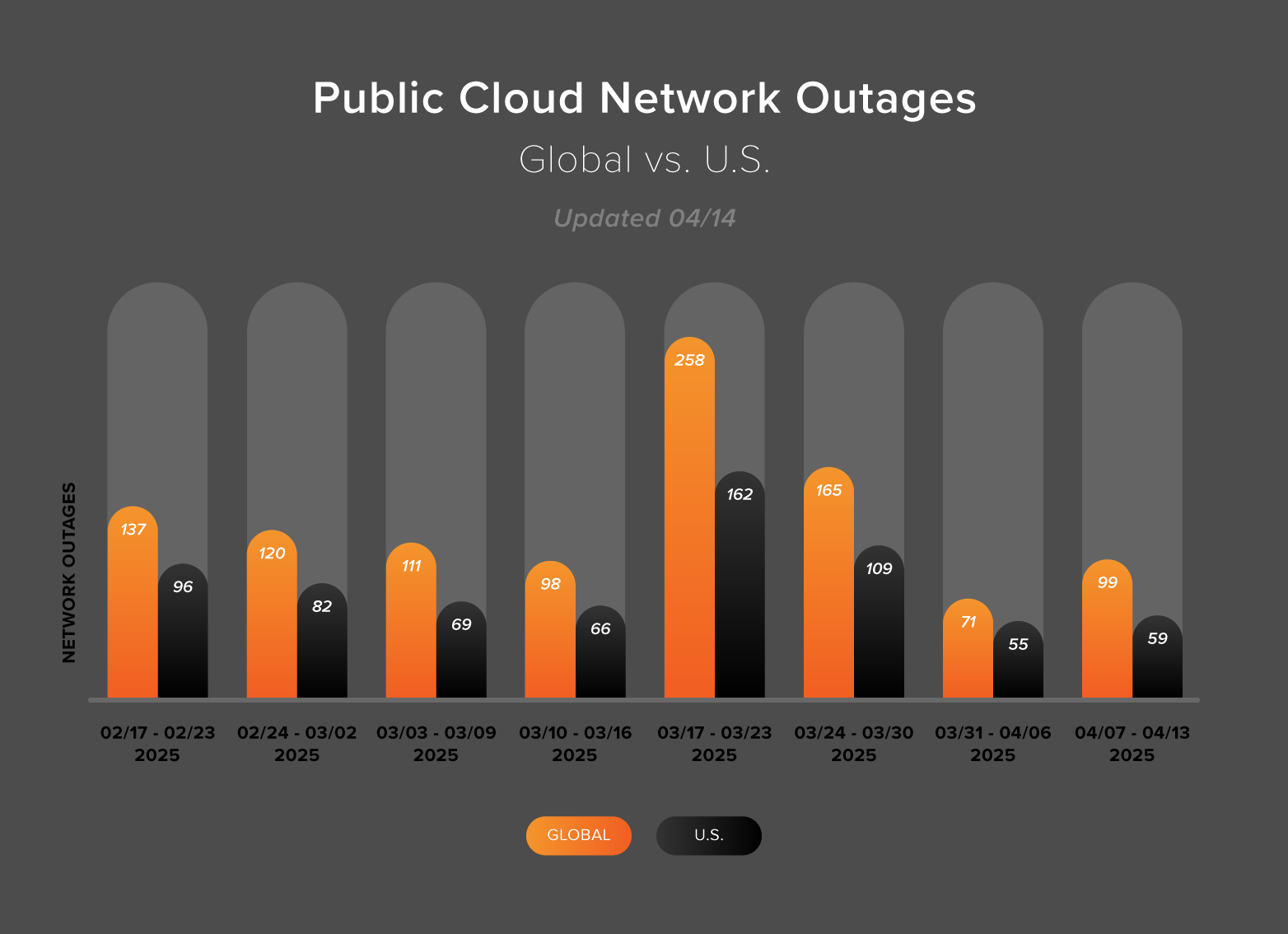
The next critical checkpoint is the ITU’s Emergency Telecommunications Cluster meeting on June 18, 2024, where repair progress and international aid coordination will be discussed. The UN’s Syria Cross-Border Mechanism will also release an updated assessment of humanitarian impacts.
For real-time updates, monitor:
- NetBlocks Internet Observatory (for outage tracking)
- ITU’s Emergency Telecommunications Portal
- ITU’s official X/Twitter account
This story is developing. What’s your experience with the outage? Share your insights in the comments below—or tweet your story to help others navigate the crisis.
For further reading, explore our coverage of global cybersecurity threats and how undersea cables shape modern conflicts.
Worth a look