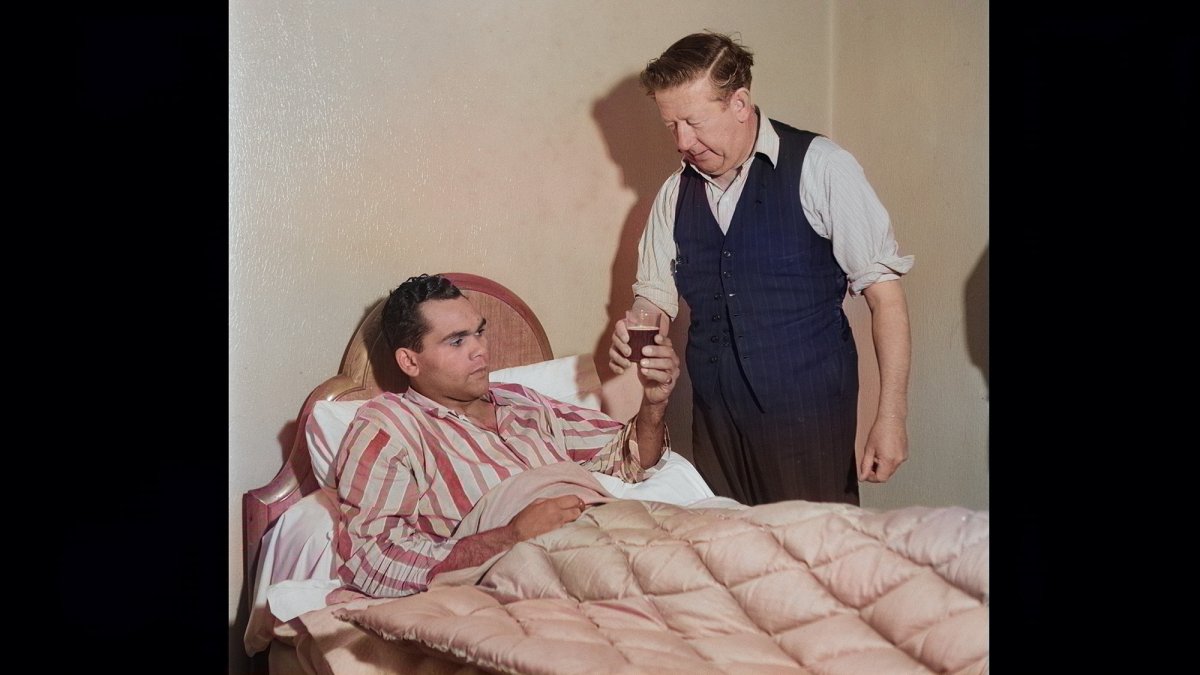
Beef tea served as a primary medicinal remedy throughout the 19th century, used by physicians to treat conditions including fever, depression, and stomach ailments. Driven by the nutritional theories of organic chemist Justus von Liebig, these concentrated meat extracts eventually transitioned from hospital wards to common household pantry staples by the early 20th century.
During the 1800s, the line between food and medicine remained thin. While modern consumers view bouillon as a culinary convenience, Victorian-era doctors viewed concentrated meat extracts as essential treatments for a wide range of pathologies. This period saw the rise of “rational” dieting, where scientific principles were applied to the consumption of meat to address widespread nutritional deficiencies in growing urban populations.
Why was beef tea prescribed as medicine in the 1800s?
Medical practitioners in the 19th century frequently prescribed beef tea for patients suffering from delicate digestive systems or general physical wasting. According to historical medical records, the liquid was a standard component of hospital diets. For instance, 1851 records from the London Hospital indicate that adult patients received a daily regimen consisting of 12 ounces of bread, two pints of milk, and one pint of beef tea, which was prepared from eight ounces of beef.
The scope of its application was broad. Physicians utilized the extract to treat everything from acute fevers to more complex neurological conditions like dementia. Canadian museum curator Melissa Cole noted in 2017 that beef tea appears in nearly every significant text regarding 19th-century dietary remedies. Some medical protocols even suggested the administration of beef tea via enema, specifically as a treatment for delirium tremens, a condition associated with alcohol withdrawal.
The preference for beef over other proteins, such as chicken, was largely a matter of industrial availability. While cattle farming was well-established, the industrialization of chicken farming did not occur until the late 20th century. This economic reality cemented beef as the primary base for medicinal broths, a practice that finds a modern parallel in the cultural association of chicken soup with illness recovery.
How did Justus von Liebig revolutionize meat extracts?
The transition of meat extracts from simple culinary bouillon to a scientific phenomenon was led by Justus von Liebig (1803–1873). As a founder of organic chemistry, Liebig conducted extensive research into human metabolism and nutrition. He proposed a theory that the most critical nutrients in food were located in the liquid components rather than the solid matter. This belief prompted his recommendation that meat should be seared before cooking to retain its juices.
In 1847, Liebig sought to address a growing social crisis: an urbanizing population that lacked sufficient access to fresh meat. He developed a method to boil beef down into a concentrated paste or solid. This allowed individuals to reconstitute a nutritious broth at a lower cost than purchasing fresh cuts. However, Liebig’s original method faced economic hurdles, as the ratio of meat to extract was approximately 30:1 by weight, making production expensive.
The commercialization of this science occurred through a partnership between Liebig and engineer George Christian Giebert. In 1865, they established the Liebig’s Extract of Meat Company (LEMCO). By utilizing South American beef—a cheap byproduct of the leather industry—the company was able to industrialize production. LEMCO’s products, including the UK-based Oxo line, became global successes and paved the way for other brands like Bovril and Valentine’s Meat Juice.
What is the difference between beef tea and beef broth?
While often used interchangeably in modern conversation, beef tea historically required specific preparation methods that distinguished it from standard beef broth. While broth is typically made by simmering meat in water for extended periods, beef tea often utilized early forms of pressure cooking to intensify nutrient concentration and flavor.
Chefs and medical providers would seal raw meat in jars and heat them in boiling water. This created a pressurized vacuum seal, a technique that modern culinary science recognizes as a precursor to the sous vide method. This process prevented water from escaping, resulting in a liquid with a much more intense flavor profile than traditional boiled broth. Modern research suggests that such pressure-cooking methods can actually preserve more nutrients than simple boiling, which may have provided a legitimate iron boost for patients suffering from anemia or recovering from surgery.
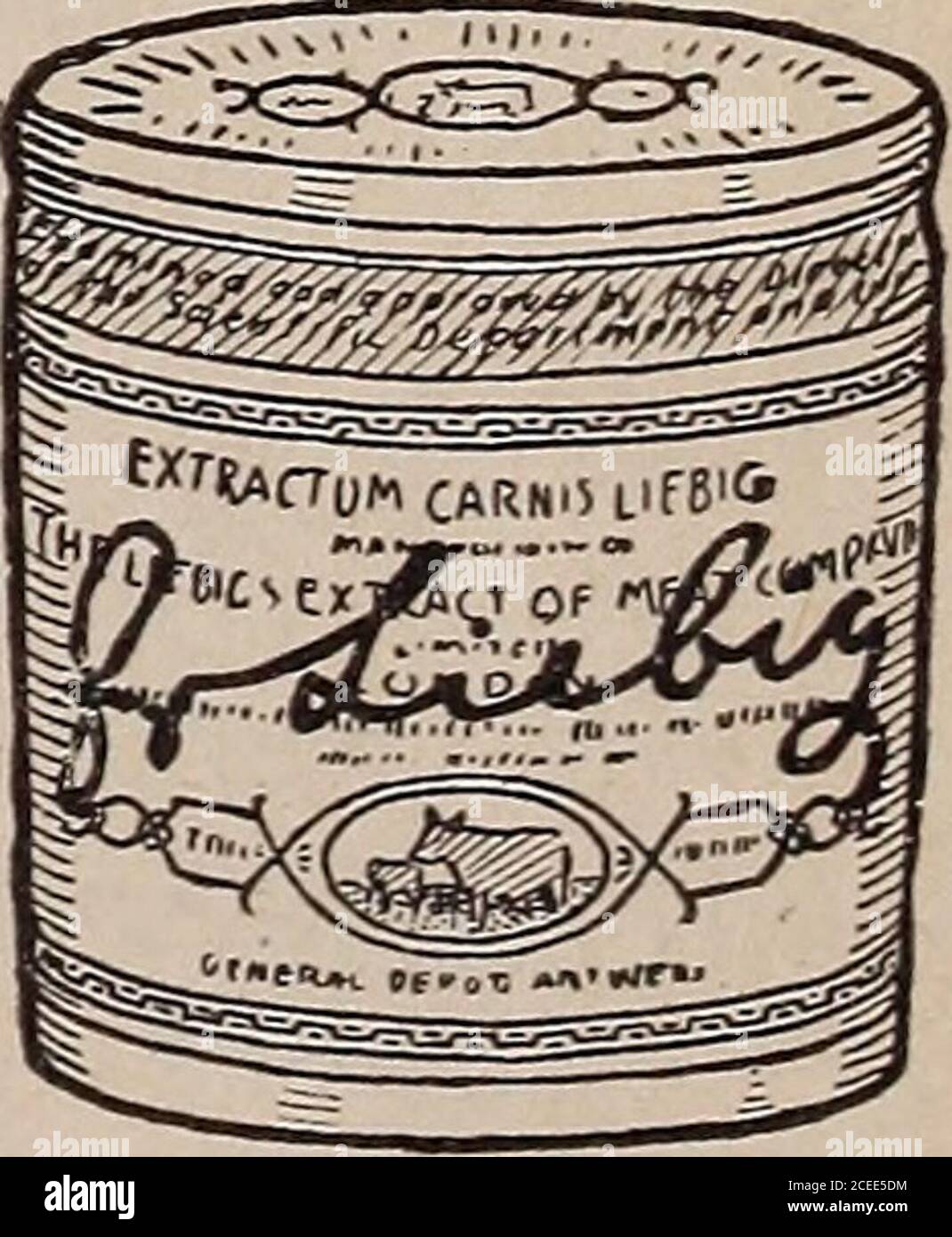
Another method involved the use of a specialized metal tool known as a meat juice press. This device was used to squeeze liquid from half-cooked meat to maximize the extraction of “heme”—the iron-containing component of hemoglobin. The following table compares the two primary 19th-century preparation methods:
| Method | Technique | Resulting Characteristics |
|---|---|---|
| Pressure-Cooked Jars | Sealed jars heated in boiling water | Rich, intense liquid; early sous vide style |
| Meat Juice Press | Mechanical squeezing of half-cooked meat | “Heme-heavy” liquid with a metallic tang |
The nutritional value of these extracts was a subject of debate even during the 1800s. While Liebig argued for the supremacy of the juices, some British doctors in 1879 argued that the process wasted much of the meat’s actual “nutritious matter.” Regardless of the scientific accuracy of these claims, the perceived benefits drove massive consumer demand.
Why did beef tea move from medicine to the kitchen?
The decline of beef tea as a medical staple was driven by the professionalization of the pharmaceutical industry. As national standards for medicine were established, commercialized drugs began to replace home-based and food-based remedies. By the early 20th century, the industry recognized that the primary appeal of meat extracts was no longer just medicinal, but culinary.
Companies successfully pivoted their branding to target the kitchen pantry rather than the hospital ward. Valentine’s Meat Juice, once a prominent medicinal brand, rebranded as a cooking ingredient in 1906 and operated until 1986. Similarly, LEMCO’s Oxo brand transitioned into the culinary market, where it remains a common household name today. The technology used to dehydrate these extracts eventually influenced other industries, including the production of bouillon for military rations and even food supplies for NASA astronauts.
Ultimately, the history of beef tea represents a shift from scientific “rational” dieting to the modern prioritization of flavor and convenience. While the medicinal claims of the 19th century have largely faded, the concentrated flavors developed by Liebig and his contemporaries continue to influence global food production.
No further official historical updates regarding the evolution of 19th-century meat extract regulations are currently scheduled.
What do you think about these historical dietary trends? Share this article and join the conversation in the comments below.