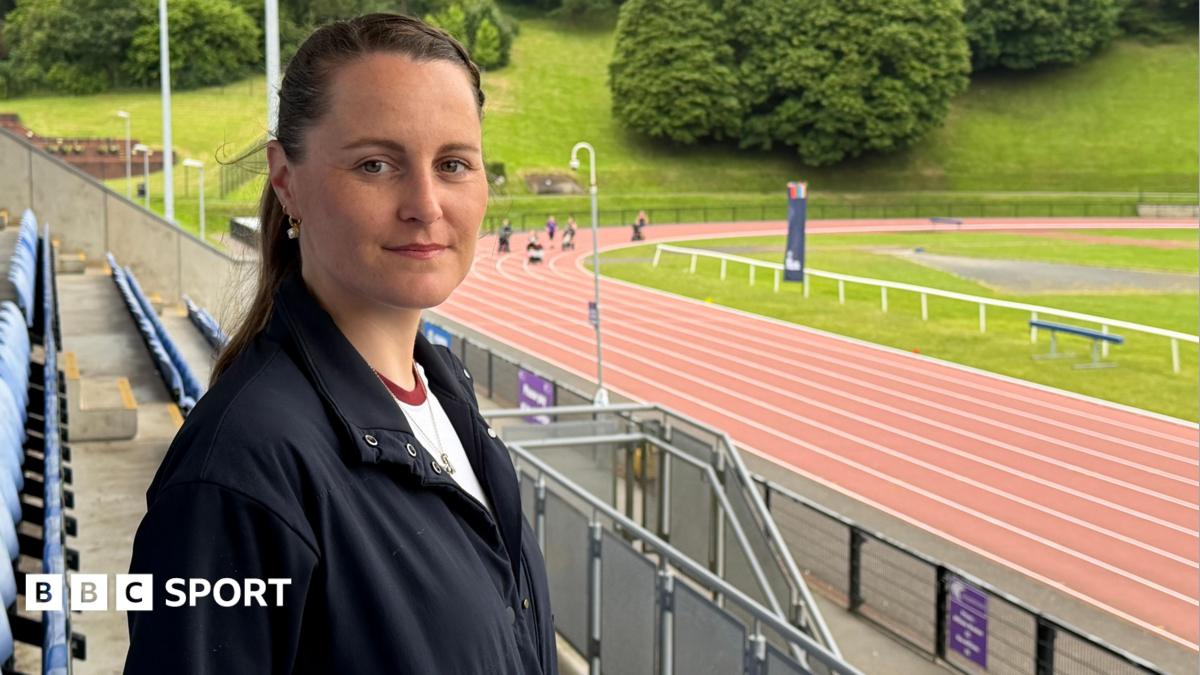
Irish middle-distance runner Ciara Mageean, a multiple-time European medalist and Olympian, has publicly addressed her recent health challenges, revealing a diagnosis of stage four cancer at age 33. Despite the gravity of the medical situation, Mageean has signaled a resilient approach to her treatment and ongoing recovery, stating, “You make your own hope, I’m not going to let cancer win.”
Mageean, who holds the Irish record in the 1500 meters, has been a prominent figure in international athletics for over a decade. According to reports from RTÉ Sport, the athlete’s diagnosis has necessitated a significant shift in her professional trajectory as she undergoes rigorous medical care. Her statement emphasizes a personal philosophy of active resilience, framing her recovery as a process of creating one’s own sense of hope in the face of a life-altering condition.
The Impact of a Stage Four Diagnosis
A stage four cancer diagnosis signifies that the disease has spread from its primary site to other parts of the body, which typically requires a comprehensive, multi-disciplinary treatment plan. While medical experts note that treatment goals for stage four conditions often focus on managing the disease, improving quality of life, and extending survival, the specific clinical path depends on the tumor type and the patient’s individual biology, as outlined by the National Cancer Institute.

For high-performance athletes, the transition from professional competition to intensive clinical care involves both physical and psychological adjustments. Mageean’s disclosure highlights the intersection of elite sports training and the unexpected reality of chronic illness. Her supporters and the broader athletics community have recognized her contributions to the sport, including her performance at the World Athletics Championships, where she has consistently competed at the highest level of middle-distance running.
Resilience in the Face of Illness
Mageean’s public stance serves as a narrative of determination. By openly discussing her battle, she joins a cohort of athletes who have navigated significant health crises while maintaining a public profile. Psychologists often point to the high level of discipline and goal-oriented mindset inherent in elite athletes as a factor that can influence how they approach long-term medical recovery, though the emotional toll remains substantial.
Her focus on “making hope” rather than waiting for it reflects a proactive engagement with her treatment. This mindset is frequently encouraged in oncology settings, where patient agency is considered a vital component of the therapeutic process. According to the Mayo Clinic, managing a cancer diagnosis requires a combination of medical expertise and a supportive framework, which includes addressing the patient’s mental health and emotional well-being throughout the treatment duration.
What Comes Next for the Athlete
As Mageean moves forward, the focus remains on her medical team’s protocols and her personal recovery. There is currently no official timeline regarding a return to competitive athletics, as priorities have shifted entirely to her health. Updates regarding her status are expected to be provided by her representatives or through her official social media channels as she reaches key medical checkpoints.

For those interested in following her journey or understanding the broader context of her career, official information remains available through the Athletics Ireland portal, which tracks the achievements and updates of the nation’s premier track and field competitors. The sports community continues to offer support as she navigates this period, emphasizing the importance of privacy and patience during her recovery process.
We invite our readers to share their thoughts and messages of support in the comments section below. As this is a developing situation, please check back for further verified updates on her recovery progress.
Related reading