
French President Emmanuel Macron has identified China, the conflict in Gaza, and the ongoing war in Ukraine as the primary geopolitical priorities for France ahead of the G7 summit. These three pillars represent the core of French diplomatic efforts to maintain international stability and promote multilateral cooperation, according to official statements from the Élysée Palace.
As the international community navigates a period of significant volatility, Paris is working to harmonize its strategic objectives with G7 partners. This coordination, often facilitated through high-level diplomatic channels and direct consultations, underscores France’s commitment to address the root causes of global instability while managing the complexities of great-power competition.
Managing Relations with China in a Multilateral Context
France’s approach toward China remains a delicate balance of economic engagement and strategic autonomy. According to the Élysée Palace, Paris seeks to maintain a dialogue that encourages Beijing to play a constructive role in global governance, particularly regarding climate change and international security. This diplomatic strategy aims to ensure that China, a key economic partner, adheres to a rules-based international order.

The French government has emphasized that while economic cooperation is essential, the European Union must remain vigilant regarding trade imbalances and non-market practices. During recent high-level exchanges, French officials highlighted the necessity for “fair competition” and the reduction of strategic dependencies, a position that aligns with broader EU-wide policies regarding economic security. By engaging China through both bilateral summits and G7 frameworks, France aims to prevent a total decoupling of the global economy while protecting its essential industrial interests.
Addressing the Conflict in the Middle East
The ongoing war in Gaza remains a critical focus for French diplomacy, with Paris consistently calling for a sustainable ceasefire and the release of hostages. The French government has advocated for a “two-state solution” as the only viable path to long-term peace in the region, a stance reiterated by the French Ministry for Europe and Foreign Affairs. Efforts are currently directed toward preventing regional escalation, particularly involving actors in Lebanon and the wider Levant.
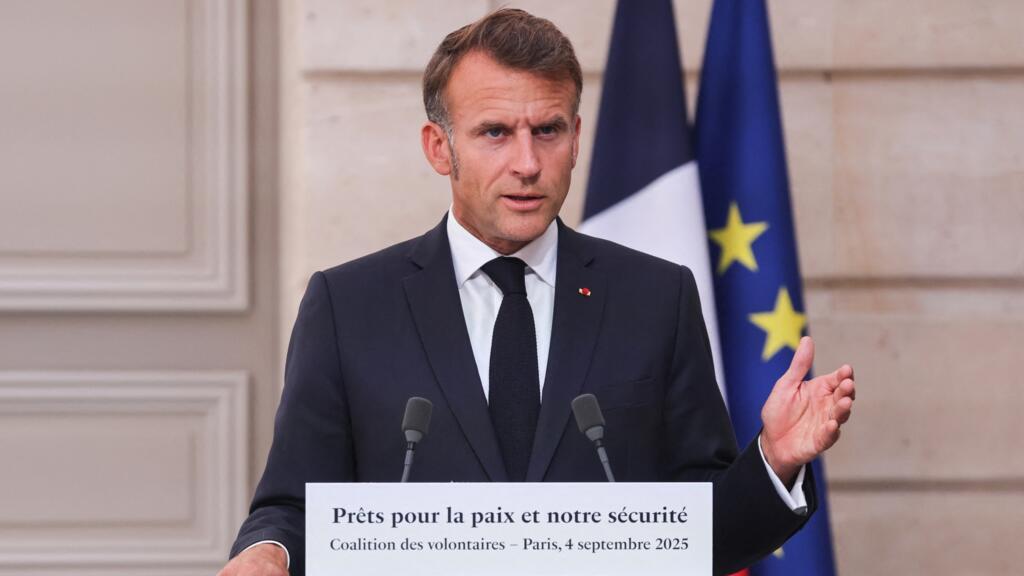
France’s role involves constant coordination with regional partners and G7 members to facilitate humanitarian aid access for civilians in Gaza. The diplomatic challenge lies in balancing support for Israel’s security needs with the urgent requirement to protect civilian life and uphold international humanitarian law. Paris continues to use its diplomatic influence to push for a political horizon that could move beyond the current cycle of violence, emphasizing that military operations alone cannot resolve the underlying political grievances of the Palestinian people.
Sustaining Support for Ukraine
Ukraine continues to be the most immediate security priority for France and its G7 allies. Since the full-scale Russian invasion in February 2022, France has provided significant military, financial, and humanitarian support to Kyiv. The French Ministry of the Armed Forces reports that this assistance includes sophisticated artillery systems, air defense capabilities, and long-term security guarantees designed to bolster Ukraine’s resilience against ongoing aggression.
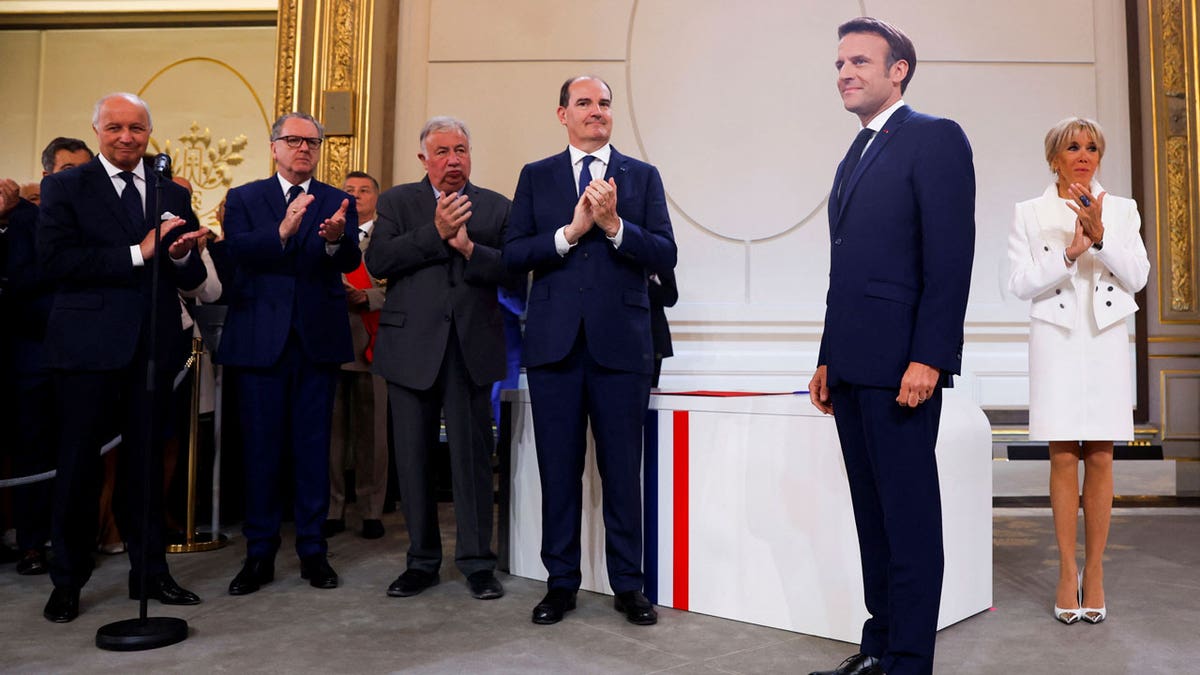
The G7’s unified stance on Ukraine is intended to demonstrate to Moscow that Western support will not waver over time. France, alongside its partners, is committed to ensuring that Ukraine can defend its sovereignty and territorial integrity. This support is framed not only as a regional security imperative but as a defense of the fundamental principles of the UN Charter. Looking forward, the focus remains on sustaining the flow of essential supplies and preparing for the long-term reconstruction of the country.
Strategic Coordination within the G7
The G7 remains the primary forum for France to synchronize its foreign policy with other leading liberal democracies. By aligning on these three priorities—China, Palestine, and Ukraine—Paris aims to amplify the impact of its diplomacy. The effectiveness of this approach relies on the ability of member states to overcome internal differences and present a cohesive front on issues that threaten global economic and political stability.
Beyond these immediate crises, the G7 agenda also encompasses long-term systemic issues, including the transition to green energy and the regulation of emerging technologies such as artificial intelligence. However, the urgency of the current conflicts ensures that security and geopolitical stability will dominate the upcoming discussions among leaders. The next formal update on these issues is expected to follow the conclusion of the upcoming G7 summit, where leaders will likely issue a joint communiqué outlining their collective commitments.
As Editor of the World section, I continue to monitor these developments closely. We encourage our readers to share their perspectives on these issues in the comments below or by sharing this report with your network.