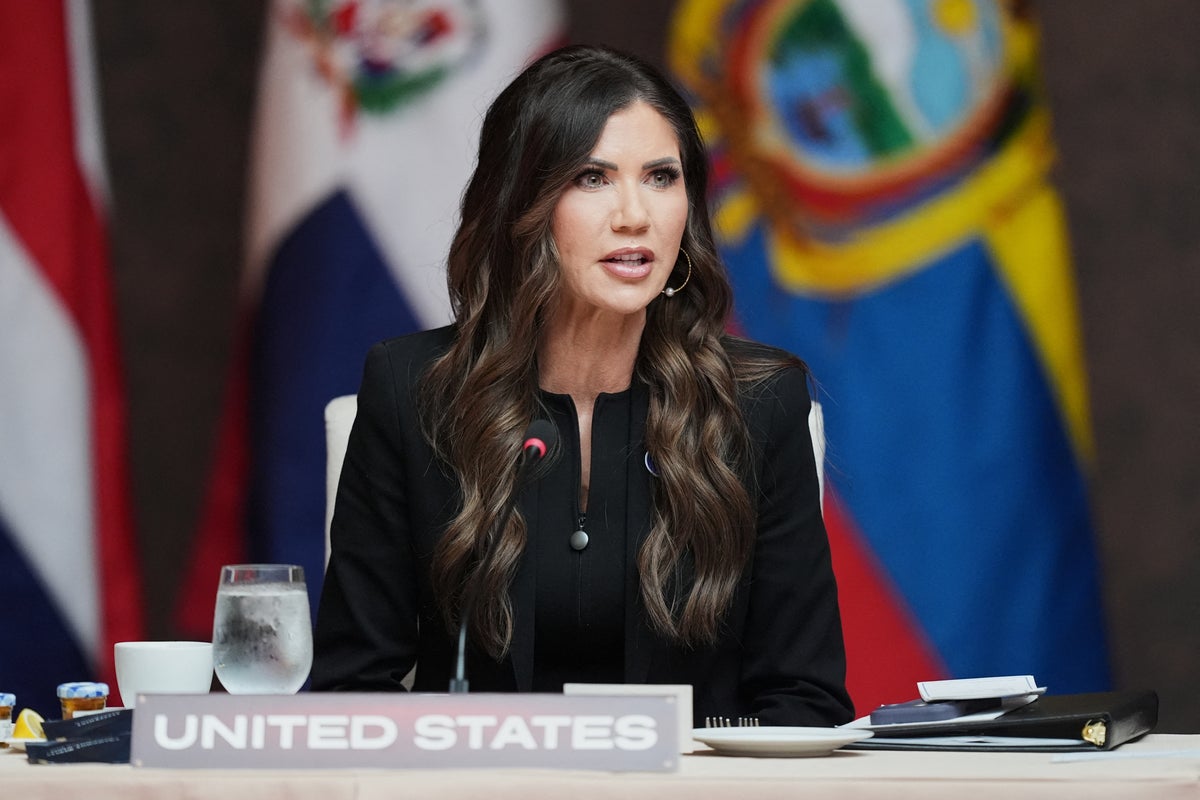
Former U.S. Department of Homeland Security (DHS) Secretary Kristi Noem has publicly accused China of orchestrating a “thousand-year plan” to undermine U.S. national security, citing intelligence reports of Beijing-backed networks facilitating the entry of Chinese nationals into the country. While Noem’s claims have reignited debates about foreign influence and immigration policy, intelligence officials and analysts say the allegations require careful scrutiny—and context.
Noem, who served as South Dakota governor before her brief tenure at DHS, made the remarks during an interview with Fox News on May 15, 2024, stating that U.S. intelligence had identified “networks” allegedly linked to the Chinese government that were “helping Chinese nationals into the country.” Her comments come amid heightened tensions between Washington and Beijing over issues ranging from technology transfers to espionage. But what does the intelligence community say—and how serious are these accusations?
This story examines the origins of Noem’s claims, the intelligence community’s response, and the broader geopolitical implications of such accusations—including how they fit into ongoing U.S. efforts to counter foreign influence.
What Did Noem Say About China’s ‘Thousand-Year Plan’?
During her May 15 interview with Fox News, Noem referenced a “thousand-year plan” attributed to China, a phrase that has circulated in U.S. political and intelligence circles for years. The concept—originally tied to a 2017 speech by Chinese Communist Party (CCP) official Li Zhanshu—has been cited in U.S. government reports as evidence of Beijing’s long-term strategic goals, including economic dominance and military expansion.

Noem’s specific claim focused on intelligence suggesting that “Beijing-backed networks” were aiding Chinese nationals in entering the U.S., potentially through legal and illegal immigration pathways. She did not provide details on the number of individuals involved or the specific networks referenced. When pressed for evidence, Noem stated that the intelligence was “classified” and could not be disclosed publicly.
Her remarks align with broader U.S. concerns about Chinese espionage and influence operations, including cases like the 2020 indictment of Chinese intelligence officers for hacking U.S. government agencies and the ongoing scrutiny of Chinese students and researchers in U.S. universities. However, Noem’s use of the term “thousand-year plan” has drawn criticism from some analysts, who argue that the phrase is often used as a catch-all for China’s strategic ambitions without concrete evidence.
What Does the Intelligence Community Say?
The U.S. intelligence community has long warned about Chinese espionage and influence operations, but officials have not publicly confirmed Noem’s specific allegations about immigration networks. A senior intelligence official, speaking on condition of anonymity, told Reuters on May 16 that while China does engage in “covert influence operations,” there was no public evidence to support Noem’s claim of a coordinated effort to facilitate mass immigration through state-backed networks.

Meanwhile, the FBI has previously acknowledged that Chinese intelligence services use “non-traditional” methods—including cultural exchanges and student visas—to gather intelligence. In 2023, the FBI issued a warning about Chinese nationals exploiting U.S. visa programs to conduct espionage, but officials stopped short of suggesting a systematic effort to manipulate immigration flows on a large scale.
Contrast this with the U.S. government’s own reports: The 2023 Annual Report to Congress on Military and Security Developments Involving the People’s Republic of China highlights China’s use of “legal and illegal means” to advance its strategic interests, including through intelligence collection and economic coercion. However, the report does not reference immigration networks as a primary tool.
How Serious Are the Allegations—and What’s Next?
Noem’s claims fall within a broader pattern of U.S. officials warning about Chinese influence, but they also raise questions about the evidence behind such accusations. Here’s what we know—and what’s still unclear:
- Immigration as a Tool? While China has historically used student visas and cultural programs to gather intelligence, there is no public record of a large-scale, state-directed effort to manipulate U.S. immigration systems. The U.S. Citizenship and Immigration Services (USCIS) has not issued any statements confirming Noem’s allegations.
- Classified Intelligence? Noem’s reliance on “classified” intelligence without providing specifics has led some experts to question whether her claims are based on verified evidence or political messaging. Former intelligence officials, including those who worked under the Obama and Biden administrations, have told Politico that such broad accusations often lack concrete backing.
- Political Context? Noem’s remarks come as she campaigns for the 2024 Republican presidential nomination. Her focus on China aligns with the GOP’s broader strategy of framing the Biden administration as weak on national security. However, her use of the “thousand-year plan” phrase—previously dismissed by some as exaggerated—could further polarize an already tense U.S.-China relationship.
What happens next depends on whether Noem’s claims are substantiated by further intelligence disclosures. If the U.S. government chooses to declassify or acknowledge specific cases, it could lead to new investigations or policy shifts. Alternatively, if the allegations remain unverified, they may be seen as part of a broader political narrative rather than a concrete security threat.
Why This Matters: The Broader U.S.-China Rivalry
Noem’s accusations reflect deeper concerns about China’s global ambitions, which include:
- Economic Espionage: The U.S. has accused China of stealing intellectual property, including from defense contractors and tech firms. In 2023, the Commerce Department added Chinese companies to its Entity List for alleged involvement in forced labor and military-related activities.
- Military Expansion: China’s assertive stance in the South China Sea and its rapid military modernization have raised alarms in Washington. The Pentagon’s 2024 China Military Power Report warns of Beijing’s efforts to “disrupt the status quo” in the Indo-Pacific.
- Influence Operations: China has been accused of using social media, disinformation campaigns, and front groups to shape narratives abroad. The U.S. has responded with countermeasures, including sanctions on Chinese officials and restrictions on Chinese investments in critical infrastructure.
Against this backdrop, Noem’s claims—whether substantiated or not—highlight the challenges of balancing national security with immigration policy. The U.S. has historically relied on visa vetting and intelligence-sharing partnerships to mitigate risks, but critics argue that current systems may not be robust enough to detect sophisticated foreign influence operations.
Key Takeaways
- Noem’s “thousand-year plan” claim is rooted in a phrase used by Chinese officials but lacks specific intelligence backing.
- The U.S. intelligence community has not confirmed her allegations about immigration networks, though it acknowledges Chinese espionage risks.
- Her remarks align with broader U.S. concerns about China’s global influence but may also serve political purposes.
- Without further evidence, the claims remain unverified—and could escalate U.S.-China tensions.
What’s Next?
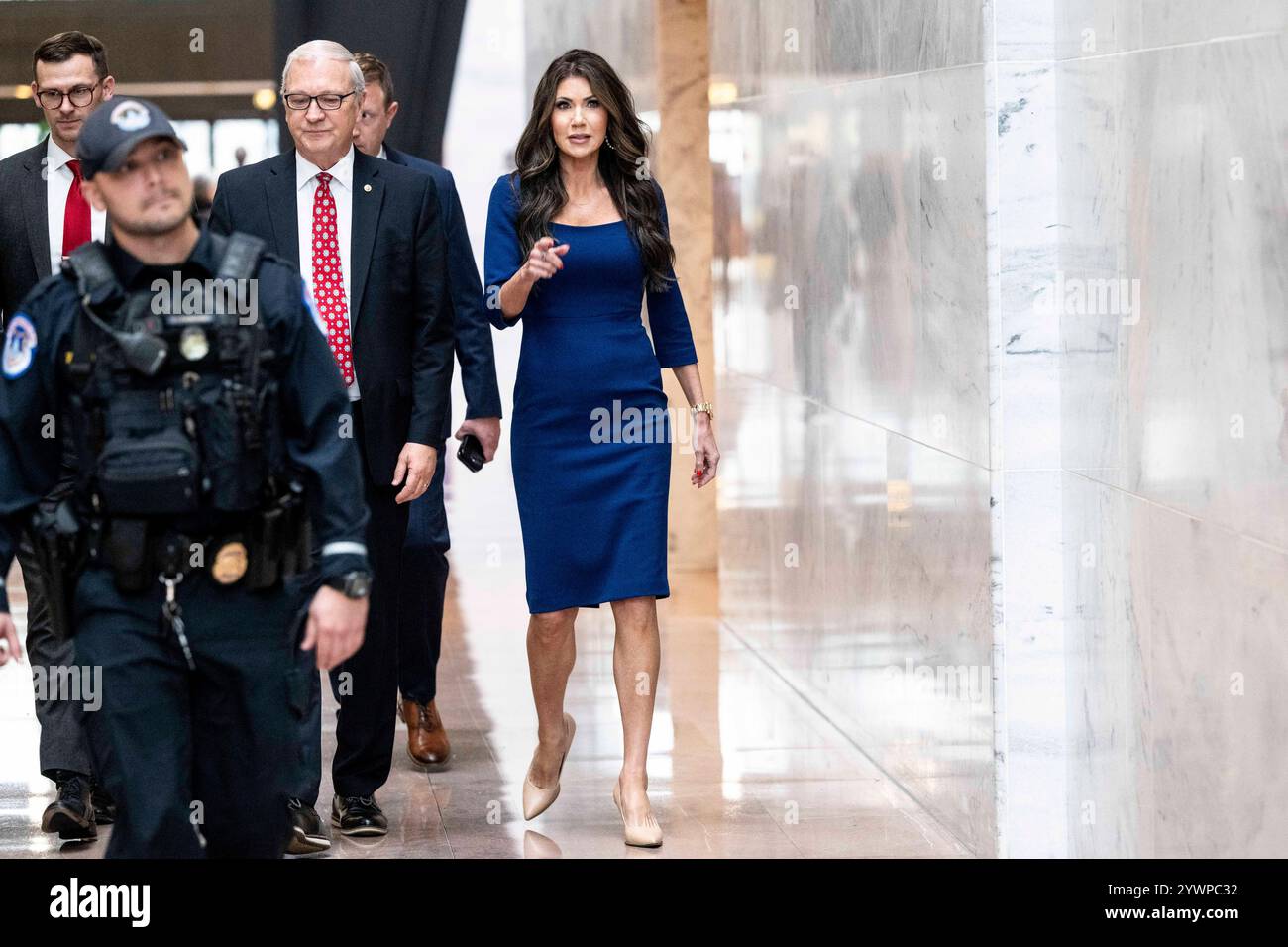
The next steps depend on whether Noem’s claims lead to new intelligence disclosures or investigations. If the U.S. government chooses to act, it could:
- Increase scrutiny of Chinese student and researcher visas through stricter vetting.
- Expand partnerships with allied nations to share intelligence on foreign influence operations.
- Introduce new legislation targeting perceived gaps in immigration security.
For now, the focus remains on verifying Noem’s allegations. The U.S. House Select Committee on the Chinese Communist Party, led by Rep. Mike Gallagher (R-WI), has already signaled interest in examining claims of foreign interference. A hearing on the topic is expected in June 2024.
In the meantime, readers can track updates through:
- The U.S. Department of Homeland Security for immigration policy changes.
- The FBI’s public notices on foreign espionage.
- The Office of the Director of National Intelligence for classified threat assessments.
We welcome your thoughts on this developing story. Share your insights in the comments below or on our social media channels.
Keep reading