
South Korea’s internet culture—once a beacon of free expression and digital innovation—has become a contentious battleground where ideological clashes, regulatory crackdowns, and social fragmentation are reshaping online discourse. According to a September 2023 report by the Korea Press Foundation, nearly 60% of Korean netizens now describe the online environment as “hostile” compared to just 12% in 2007, when platforms like Lotte World and early Cyworld communities thrived as neutral spaces for memes, fan discussions, and grassroots activism.
The shift reflects broader global trends—but in South Korea, it has accelerated due to unique factors: a highly concentrated digital media ecosystem, a government that has oscillated between liberalization and censorship, and a population that remains deeply engaged in online culture despite growing disillusionment. “The internet here used to be a place where anyone could speak freely, but now it feels like a minefield,” said Lee Min-jae, a 32-year-old Seoul-based content creator who has documented the changes on his YouTube channel. “What started as harmless memes and fan debates has turned into a space where even mild opinions can spark outrage—or worse, legal consequences.”
The transformation is visible in the numbers: South Korea’s internet penetration rate remains among the highest globally (97% as of 2023), yet user satisfaction has plummeted. A 2024 survey by the Korea Internet & Security Agency (KISA) found that 78% of respondents cited “toxic online behavior” as a reason for avoiding public discussions, up from 32% in 2015. The decline coincides with a series of high-profile incidents—from the 2019 “school bullying death” case that sparked nationwide debates on online harassment to the 2023 proposed anti-cyberbullying laws that critics argue stifle free speech.
At the heart of the issue lies a generational and ideological divide. Younger Koreans, raised on platforms like Naver and Daum, now navigate a digital landscape dominated by algorithm-driven outrage, political polarization, and what some call a “culture of reporting.” Meanwhile, older users—who once saw the internet as a tool for democratization—now express nostalgia for the early 2000s, when sites like DC Inside and OhMyNews fostered collaborative journalism and meme culture without the current toxicity. “The internet was never perfect, but it was a place where we could laugh together,” said Kim Soo-jin, a 45-year-old former OhMyNews contributor, in a 2023 interview with eDaily. “Today, it feels like a warzone.”
Why Has South Korea’s Internet Culture Become So Polarized?
Three key factors explain the shift: regulatory overreach, platform algorithm changes, and the rise of ideological echo chambers. Unlike Western democracies, where free speech protections are constitutionally enshrined, South Korea’s legal framework has historically allowed for broader government intervention in digital spaces. The 2023 Digital Sex Crime Prevention Act, for example, expanded penalties for “non-consensual deepfake content” but also gave authorities broader powers to monitor and remove posts—a move critics argue blurs the line between protecting victims and suppressing dissent.

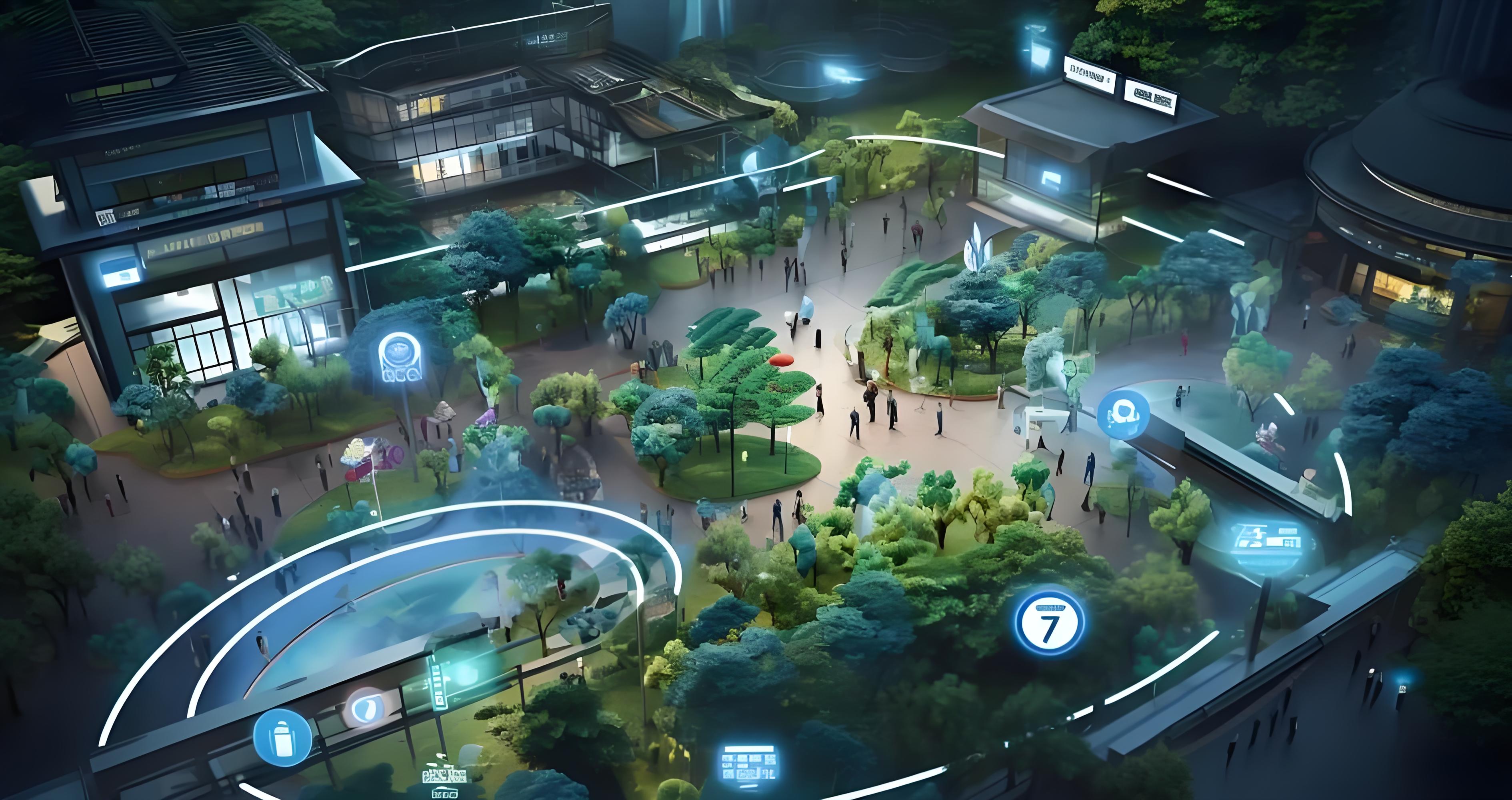
Platforms like Naver and KakaoTalk have also adapted their algorithms to prioritize engagement over nuance, amplifying controversial content to boost user retention. A 2023 study by the Seoul National University found that 68% of trending topics on Korean social media in 2022 were tied to political or ideological disputes, compared to just 22% in 2010. “The algorithms don’t just reflect public opinion—they shape it,” said Dr. Park Ji-hoon, a media studies professor at SNU, in an interview with Hankyung. “And once a topic goes viral, the backlash can be brutal.”
The third factor is the fragmentation of online communities. What were once unified spaces for fans of K-pop, gaming, or political movements have splintered into hyper-partisan groups. The 2023 Korea Herald report highlighted how even neutral topics—like discussions about Squid Game or the 2022 K-pop industry scandals—now devolve into heated debates between “progressive” and “conservative” factions. “It’s not just about politics anymore,” said Choi Eun-kyung, a digital rights activist. “It’s about whether you even have the right to exist online.”
How Have Regulations Changed Since 2007?
A comparison of key legislative shifts reveals how South Korea’s approach to digital governance has evolved from permissive to restrictive. In 2007, the Information and Communication Network Act (ICN Act) focused primarily on combating spam and child pornography. By 2023, the law had been amended 12 times, expanding penalties for everything from “fake news” to “online defamation.” The 2023 proposed “Real-Name Verification Expansion Act”, for instance, would require users to link their real identities to social media accounts—a measure supporters say is necessary to combat harassment but critics warn could enable government surveillance.
The timeline below outlines major regulatory changes and their impact on free expression:
| Year | Legislation/Event | Impact on Free Speech | Source |
|---|---|---|---|
| 2007 | ICN Act (original version) | Focused on spam and child pornography; minimal censorship. | Law.go.kr |
| 2015 | Amendment to ICN Act (introduced “fake news” penalties) | First major expansion; allowed removal of “misinformation.” | Korea Times |
| 2018 | “School Violence Prevention Act” | Expanded penalties for online bullying; critics say it chills debate. | BBC |
| 2023 | “Digital Sex Crime Prevention Act” | Broadened monitoring powers; linked to concerns over overreach. | Reuters |
| 2024 (proposed) | “Real-Name Verification Expansion Act” | Would require real-name registration on social media; privacy advocates warn of surveillance risks. | Hankyung |
What Do Netizens Say About the Changes?
Public opinion is deeply divided. A 2024 survey by the Korean Gallup found that:
- 42% of respondents believe current regulations are “necessary to protect society” but “go too far.”
- 35% support stricter laws, citing concerns over cyberbullying and deepfakes.
- 23% oppose all new regulations, arguing they stifle free speech.
The survey also revealed generational differences: 68% of users under 30 reported experiencing online harassment, compared to 29% of those over 50. “Younger people are more likely to be targeted, but they’re also the ones pushing back against censorship,” said Dr. Han Seung-woo, a sociologist at Yonsei University.
On the ground, the tension is palpable. In Lotte World, once a hub for meme culture, users now self-censor to avoid controversy. On DC Inside, threads about pop culture are often hijacked by political debates. And on Naver Café communities, moderators spend more time deleting inflammatory posts than facilitating discussions. “We used to joke about everything,” said Jang Hyung-taek, a 28-year-old DC Inside user. “Now, even a joke can get you reported.”
What Happens Next? The Future of South Korea’s Digital Space
The debate over South Korea’s internet culture is far from over. Two key developments will shape the next phase:
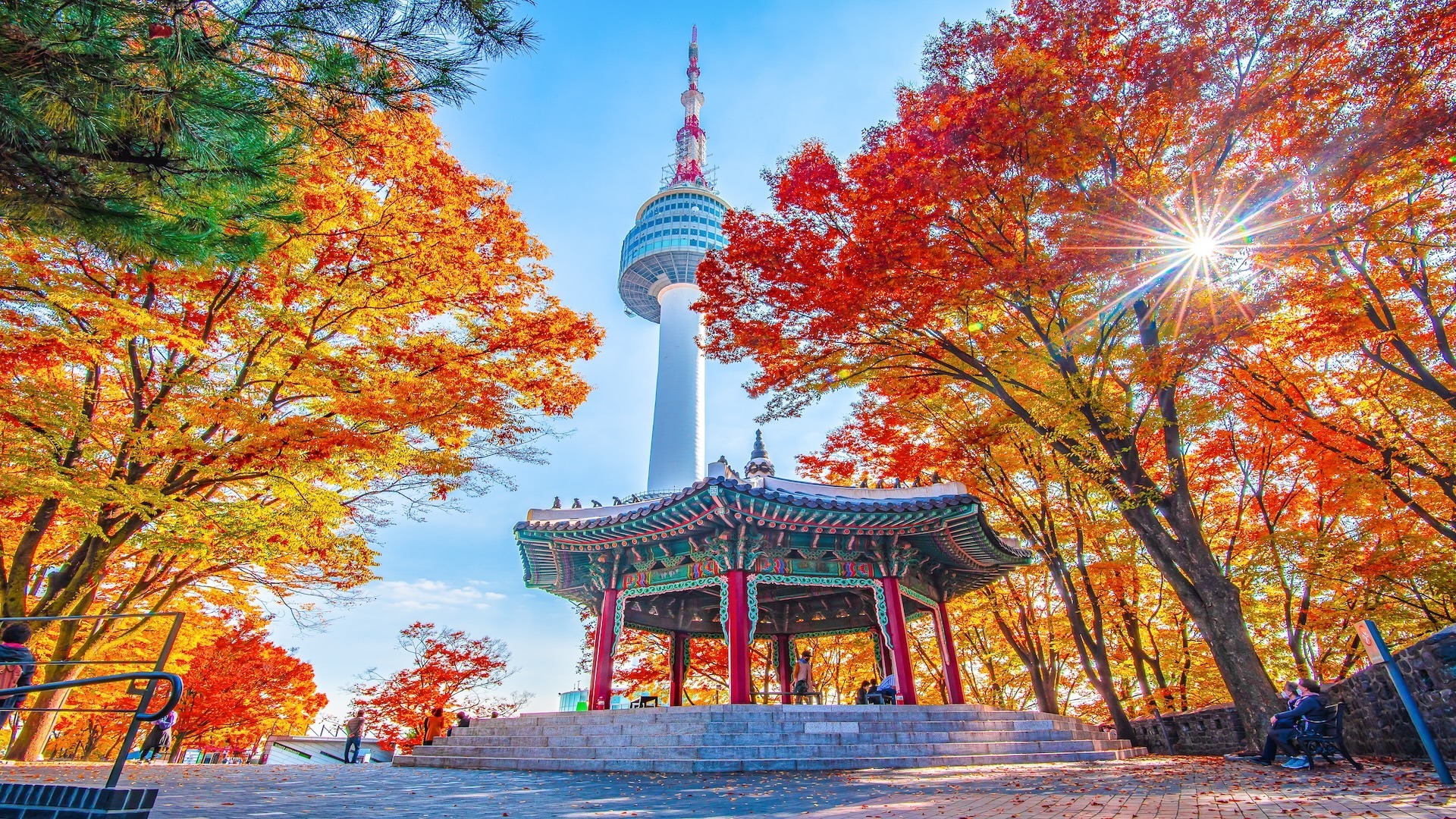
- The Real-Name Verification Expansion Act is scheduled for a public hearing on June 15, 2024, with final votes expected by September 2024. Supporters argue it will reduce harassment, while critics warn it could enable mass surveillance. The Human Rights Watch Korea office has already expressed concerns, stating in a May 2024 report that “the law as written could be used to silence dissent.”
- Platform accountability is under scrutiny. Following global trends, South Korean authorities are pressuring companies like Naver and Kakao to implement stricter content moderation. However, as Dr. Park Ji-hoon noted, “If algorithms are designed to maximize engagement, they will always prioritize conflict over dialogue.” The KISA has begun piloting AI tools to detect “hate speech” in real time, but critics argue these systems risk over-censorship.
For now, the internet remains a double-edged sword: a space for creativity and connection, but also one where every post carries the risk of backlash. As Lee Min-jae put it in a recent interview, “We’re not fighting for the internet we had in 2007. We’re fighting for the right to have an internet at all.”
Key Takeaways
- Polarization: South Korea’s internet culture has shifted from collaborative meme culture to highly polarized debates, with 68% of trending topics in 2022 tied to political or ideological disputes (vs. 22% in 2010).
- Regulatory overreach: The ICN Act has been amended 12 times since 2007, expanding penalties for “fake news,” cyberbullying, and deepfakes—raising concerns over censorship.
- Generational divide: Users under 30 are 2.3 times more likely to report online harassment than those over 50, according to 2024 Gallup data.
- Next steps: The Real-Name Verification Expansion Act faces a public hearing on June 15, 2024, with final votes expected by September 2024.
The conversation around South Korea’s digital future is ongoing. For updates on legislative developments, follow the National Assembly’s official website. To share your own experiences, join the discussion in the comments below—or tag @WorldTodayJrnl on X/Twitter with your thoughts.
Related reading