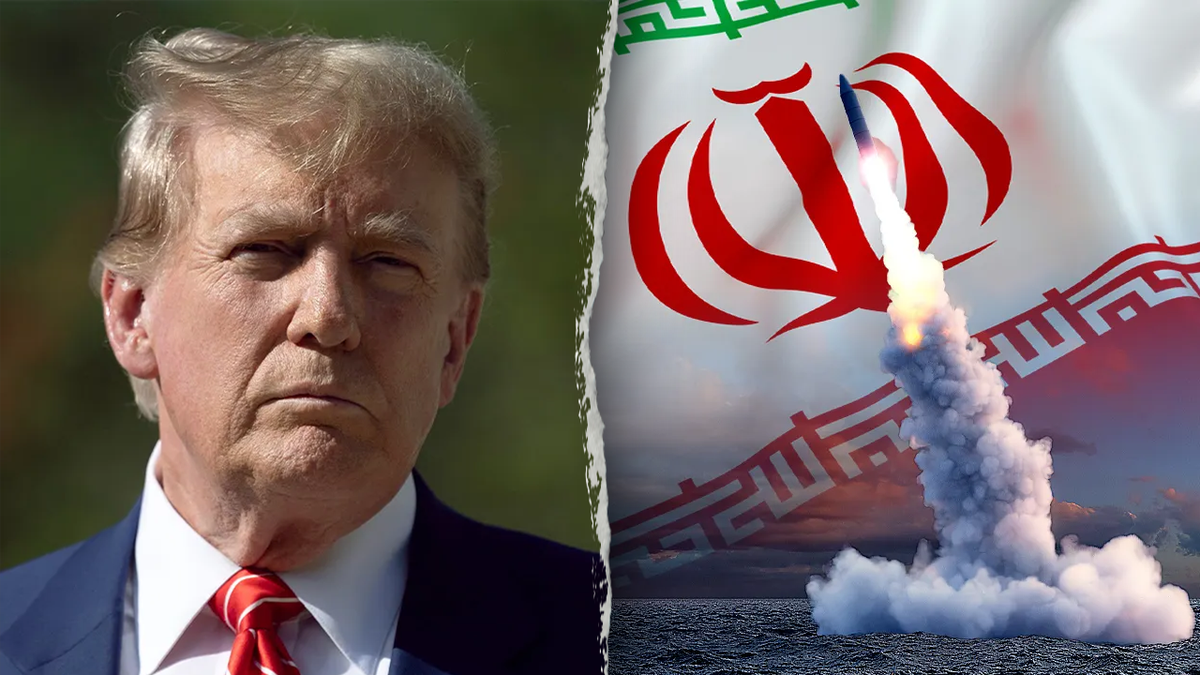
Former U.S. President Donald Trump has suggested he may publicly disclose the full contents of a potential framework agreement concerning Iran, stating he would likely read such a document “word for word” if finalized. The comments follow reports of ongoing discussions regarding U.S.-Iran relations, though no official, signed agreement has been confirmed by the current administration or the Iranian government at this time.
The prospect of a high-stakes diplomatic disclosure has intensified speculation regarding U.S. foreign policy toward Tehran. While Trump has signaled an intent to provide transparency on his own terms, the U.S. State Department maintains that its policy remains focused on preventing Iran from obtaining a nuclear weapon through a combination of diplomatic pressure and sanctions, as outlined in their official policy briefings.
The Context of Proposed Disclosure
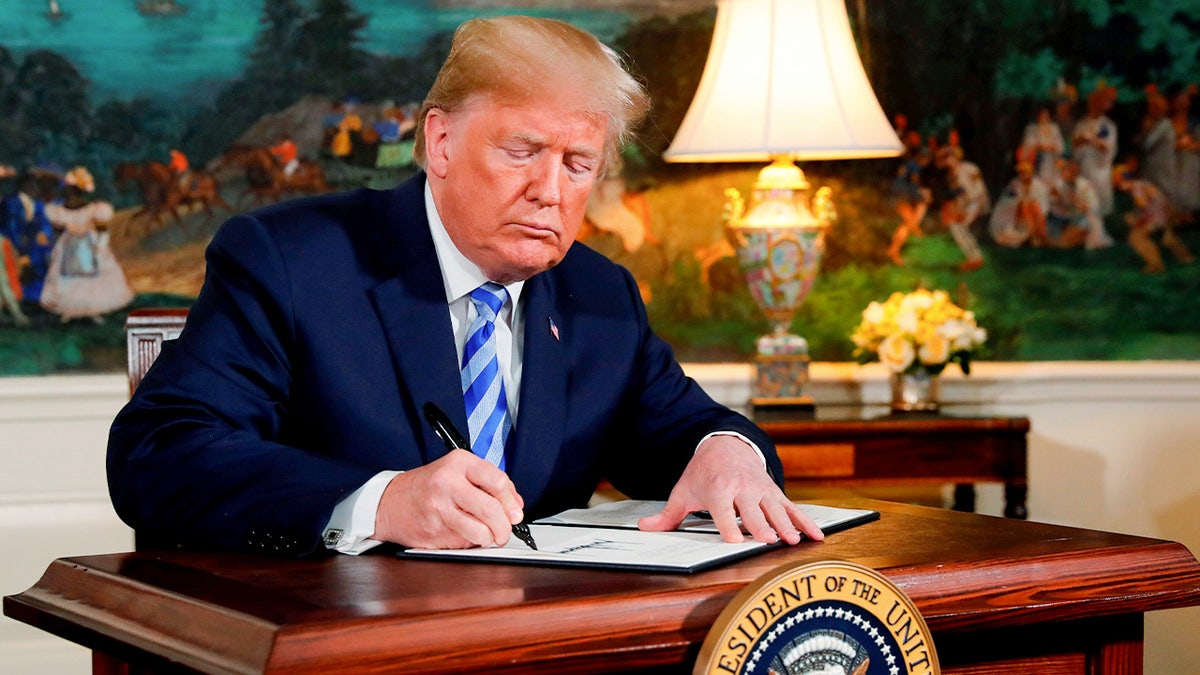
The discussion surrounding a potential “framework agreement” is set against a backdrop of complex geopolitical tensions. Former President Trump’s remarks reflect his long-standing criticism of the 2015 Joint Comprehensive Plan of Action (JCPOA), which his administration withdrew from in 2018. According to the Arms Control Association, that withdrawal led to the reinstatement of extensive U.S. economic sanctions, fundamentally altering the diplomatic landscape between Washington and Tehran.
Observers note that any move to announce new terms would likely be scrutinized for its impact on regional stability, particularly regarding the security interests of U.S. allies in the Middle East. The White House has consistently stated that any path forward with Iran requires a comprehensive approach that addresses not only nuclear proliferation but also regional ballistic missile development and support for proxy groups.
Geopolitical Implications for Regional Allies
The possibility of shifting diplomatic arrangements has placed significant pressure on regional actors, including Israel. Historically, Israeli leadership has expressed deep skepticism regarding direct negotiations between the U.S. and Iran. According to records from the Prime Minister’s Office of Israel, the government maintains that any agreement must ensure that Iran is permanently barred from achieving nuclear breakout capability.
Analysts suggest that any deviation from current maximum-pressure strategies triggers internal political debates within Israel. As reported by the Reuters Middle East desk, the concern remains that a framework perceived as too lenient could empower Iranian regional activities, thereby complicating the security environment for neighboring states.
Understanding the Framework Concept
In international diplomacy, a “framework agreement” often serves as a preliminary document that establishes the foundational principles for a more detailed, binding treaty. Unlike a finalized treaty, a framework is typically intended to guide negotiations toward a specific outcome. The Council on Foreign Relations notes that such documents are common in complex geopolitical disputes but rarely guarantee a final, enforceable resolution without extensive follow-up negotiations and verification mechanisms.
The effectiveness of any such agreement is measured by the strength of its monitoring protocols. The International Atomic Energy Agency (IAEA) remains the primary body responsible for verifying compliance with nuclear-related commitments in Iran. Any new framework would face significant hurdles regarding the restoration of the IAEA’s access to sensitive sites, which has been restricted in recent years.
Next Steps and Official Monitoring
There is currently no official timeline for the release of any such document, nor has the U.S. government confirmed the existence of a finalized framework of the nature described by the former president. The next major checkpoint for international observers will be the upcoming IAEA Board of Governors meeting, where inspectors are expected to provide an update on Iran’s current enrichment levels and cooperation status.
For those tracking these developments, official updates are regularly published through the U.S. Department of State press office. Readers interested in the technical details of past agreements or the evolution of sanctions policy can consult the archives of the U.S. Department of the Treasury. We encourage our readers to participate in the conversation by sharing their perspectives in the comments section below.
Keep reading
- EU Holds Emergency Meeting After Mass Migration Crisis in Ceuta
- Malaria Mosquitoes Now Resistant to All Insecticides: Scientists Race for a Solution
- Trump’s Former Lawyer Clears Key Hurdle for Attorney General Role (world-today-news.com)
- Dow Jumps 1,000 Points as Bessent Hints at Potential Iran Shipping Deal (time.news)