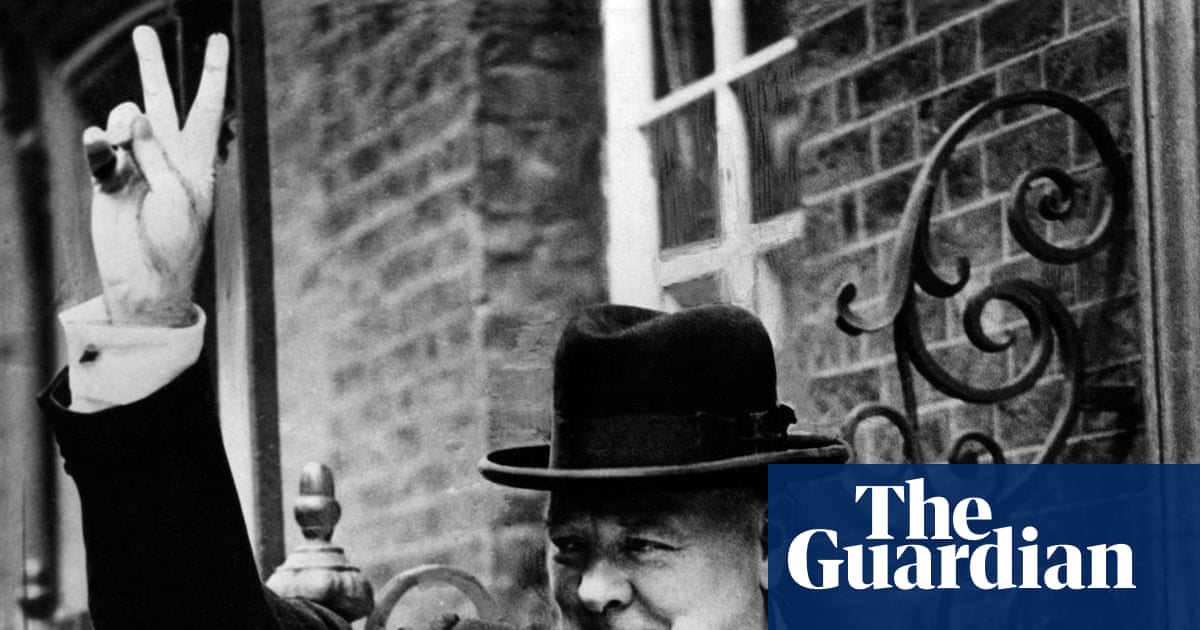
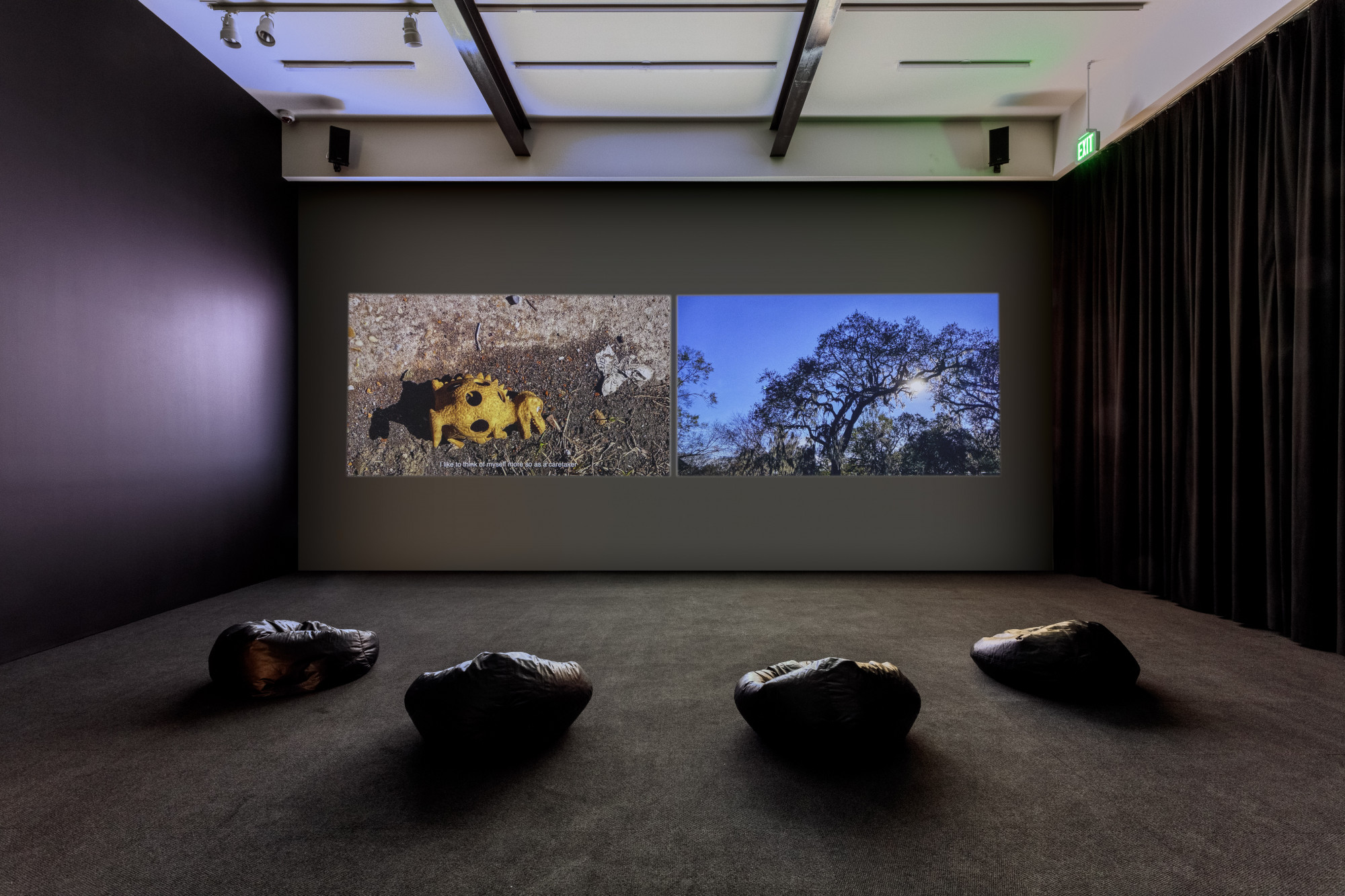
Turner Prize-winning artist Helen Cammock has defended her controversial video installation at the National Portrait Gallery (NPG), where she accused Winston Churchill of responsibility for the 1943 Bengal famine, calling accusations of a “barefaced lie” an attempt to silence artistic debate. The 40-minute piece, titled *Persistence*, has sparked a heated public and academic debate over historical memory, artistic expression, and the boundaries of public institutions’ collections.
Cammock, whose work explores colonialism and its legacies, told the Guardian that her comments were never intended as historical fact but as a provocation to challenge how figures like Churchill are remembered. “The piece is about the way we mythologize leaders and the way that mythologizing can be used to obscure the consequences of their actions,” she said. The controversy has reignited discussions about the NPG’s role in curating works that interrogate historical narratives, with some visitors and historians calling for the piece to be removed.
Meanwhile, the NPG has declined to comment on whether Cammock’s work will remain on display, though a spokesperson confirmed that the gallery’s policy allows for “controversial and challenging” artworks as part of its mission to “reflect the full complexity of our national story.” The debate over *Persistence* comes as institutions worldwide grapple with how to balance artistic freedom with public sensitivity—particularly when works directly challenge established historical figures.
Why Did Helen Cammock Accuse Churchill of Responsibility for the Bengal Famine?
Cammock’s claims are rooted in decades-old historical scholarship that argues Churchill’s wartime policies—particularly his insistence on diverting food supplies from British India to Allied troops—worsened the famine that killed an estimated 2.1 to 3 million people between 1942 and 1945. While historians like Madhusree Mukherjee have long argued that Churchill’s actions contributed to the crisis, official British narratives have historically downplayed his role.

Cammock’s video piece, which includes archival footage and text criticizing Churchill, was installed as part of the NPG’s BP Portrait Award exhibition in 2023. The backlash began when conservative commentators and some historians accused her of distorting history. The Daily Telegraph called her claims a “barefaced lie,” while others argued the piece was a legitimate artistic critique. The NPG’s decision to include it—despite the controversy—highlights the tension between artistic intent and public perception.
Key Takeaway: Cammock’s work is not a historical assertion but a provocation designed to force audiences to confront uncomfortable questions about how history is remembered. The NPG’s inclusion of the piece reflects its stance that art should challenge, not merely reflect, established narratives.
How Has the National Portrait Gallery Responded to the Controversy?
The NPG has not issued a public statement on whether *Persistence* will remain on display, but its silence has been interpreted by some as tacit support for Cammock’s artistic freedom. A gallery spokesperson told The Art Newspaper that the institution “does not censor or remove works based on public opinion,” adding that the piece was selected for its “merit and relevance to contemporary debates.”
However, the controversy has led to petitions calling for the work’s removal, with over 10,000 signatures collected in less than a week. Some petitioners argue that the NPG, as a publicly funded institution, should not host works that “rewrite history.” Others, including the Heritage Foundation, have framed the debate as part of a broader trend of “historical revisionism” in public institutions.
In contrast, supporters of Cammock—including the Turner Prize jury—have defended the piece as a necessary critique of how power is memorialized. The jury’s 2023 selection of Cammock for the Turner Prize (though she ultimately declined) underscored her status as a leading voice in contemporary art.
What Does This Debate Say About Art, History, and Public Institutions?
The controversy over *Persistence* is not just about Churchill or the Bengal famine—it’s about the role of art in public spaces. Institutions like the NPG walk a fine line: they must balance accessibility with provocation, tradition with innovation. The debate mirrors similar controversies in recent years, such as the removal of statues of colonial figures in the UK and the protests over artworks at the Metropolitan Museum of Art.
Historian David Olusoga argued that the NPG’s inclusion of *Persistence* is a positive step: “Public institutions should not shy away from difficult truths, even if they make people uncomfortable.” Meanwhile, legal scholars have noted that the NPG’s hands may be tied—once a work is acquired or exhibited, removing it could set a dangerous precedent for artistic censorship.
What happens next? The NPG has not announced any plans to remove the piece, but the debate is likely to continue. If the controversy escalates, it could force the gallery to clarify its stance on controversial art—or risk losing public trust entirely.
Who Is Helen Cammock, and What Is *Persistence*?
Helen Cammock is a British artist known for her multimedia works that explore themes of colonialism, memory, and power. Born in 1986, she studied at the University of Goldsmiths and has exhibited internationally, including at the Tate Modern and the Serpentine Galleries. Her 2023 Turner Prize nomination (which she declined) cemented her reputation as a bold voice in contemporary art.
*Persistence* is a 40-minute video installation that combines archival footage, text, and original footage to critique Churchill’s legacy. The piece was first shown at the National Portrait Gallery as part of the *BP Portrait Award* exhibition, where it was met with both acclaim and backlash. Cammock has described the work as an attempt to “disrupt the myth of Churchill as an infallible leader” and to force audiences to confront the human cost of his policies.
Key Detail: The NPG’s decision to include *Persistence* aligns with its mission statement, which emphasizes “telling the story of Britain through portraits.” However, the inclusion of a work that directly challenges a national icon has sparked a broader conversation about who gets to define that story.
What Are the Historical Claims About Churchill and the Bengal Famine?
The Bengal famine of 1943 remains one of the most debated disasters of the 20th century. While British officials at the time blamed natural causes—such as crop failures and flooding—modern historians have pointed to Churchill’s policies as a contributing factor. Key arguments include:
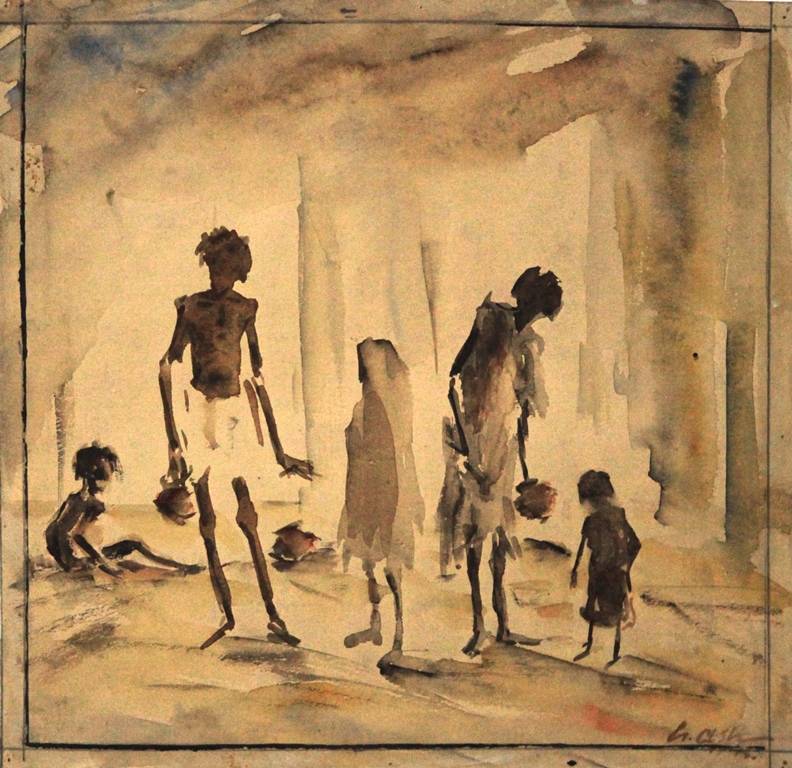
- Food Diversion: Churchill prioritized shipping food from India to Allied troops in North Africa over feeding the starving population. According to historian Madhusree Mukherjee, this decision worsened the famine.
- Supply Hoarding: The British government stockpiled food in India to prevent shortages in Britain, despite the famine’s severity. Some scholars argue this was a deliberate policy.
- Media Censorship: Churchill’s government restricted reporting on the famine, downplaying its scale to avoid political fallout.
Churchill himself never publicly acknowledged a direct link between his policies and the famine. In a 1943 letter, he wrote that the crisis was “a tragedy, but not one for which Britain is responsible.” However, declassified documents and later research have challenged this narrative. The controversy over Cammock’s work has reignited these debates, with some historians calling for a reevaluation of Churchill’s legacy in British education and public memory.
What’s Next for *Persistence* and the National Portrait Gallery?
As of now, *Persistence* remains on display at the NPG, though its future is uncertain. The gallery has not announced any plans to remove the piece, and Cammock has shown no intention of withdrawing it. However, the controversy has led to calls for a public debate on the role of art in historical institutions.
Possible outcomes include:
- The NPG could extend the exhibition period, framing it as a necessary provocation.
- Pressure from conservative groups could lead to a review of the gallery’s curatorial policies.
- The debate may inspire similar discussions at other institutions, such as the National Museum of Ireland or the Royal Museums Greenwich, which also hold colonial-era collections.
For now, the NPG’s stance remains unchanged: art should challenge, not merely reflect. Whether the public—and future visitors—agree remains to be seen.
What do you think? Should public institutions host art that challenges historical figures, or does it cross a line? Share your thoughts in the comments below.
Related reading