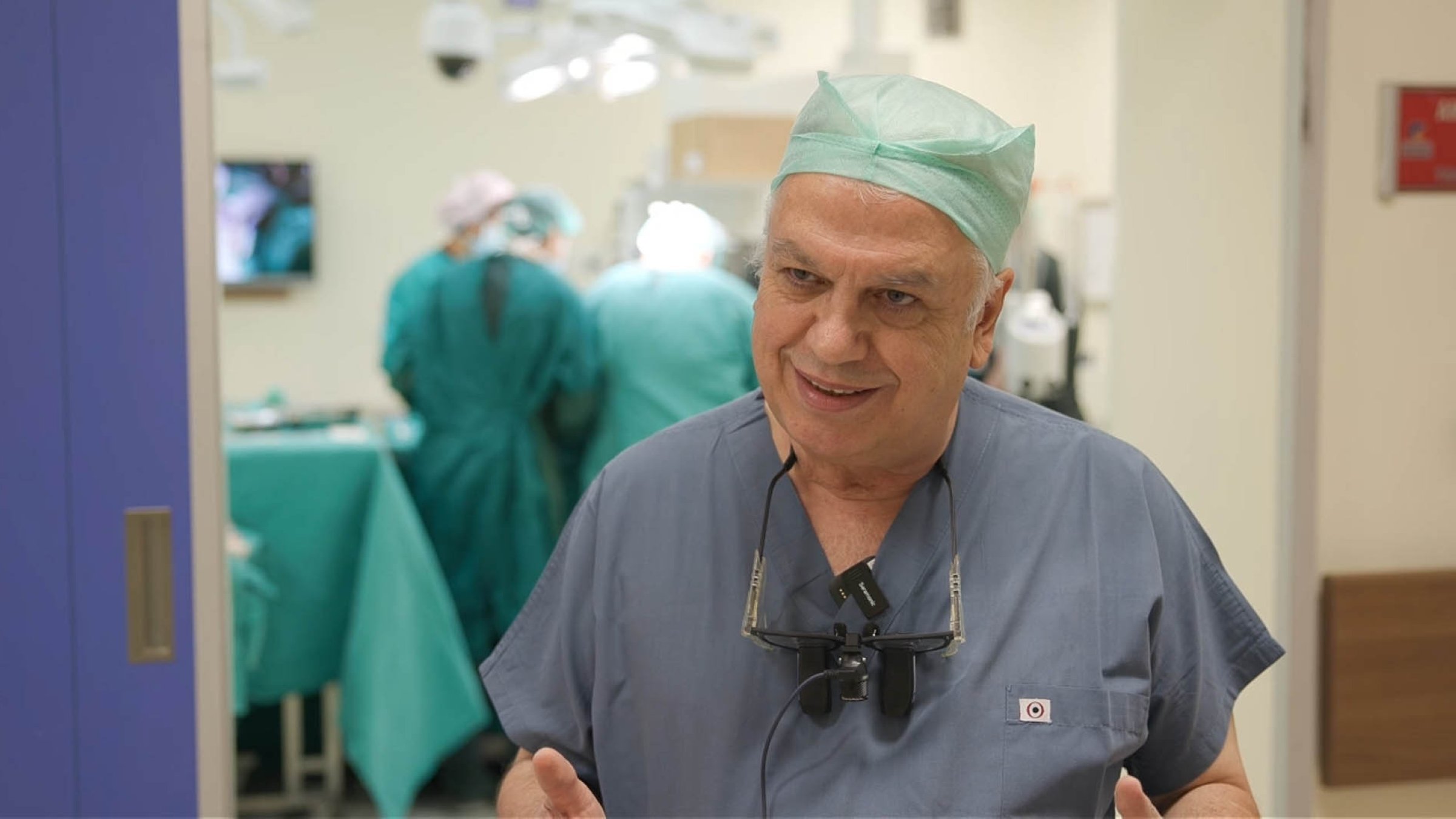
Prof. Dr. Sezai Yılmaz, a leading Turkish transplant surgeon, has achieved a historic medical milestone by performing the world’s first simultaneous eight-way liver transplant in Malatya, Turkey. The operation, confirmed by the Malatya Inonu University Faculty of Medicine, involved transplanting livers from four deceased donors to eight recipients in a single coordinated procedure. According to the university’s official statement, the surgery took place on October 12, 2023, and all recipients are reported to be in stable condition following the operation.
The procedure marks a significant advancement in organ transplantation, pushing the boundaries of what is possible in complex surgical operations. “This is a monumental achievement not just for Turkey but for global medicine,” said Prof. Dr. Yılmaz in a statement released by the university. “It demonstrates that with careful planning, coordination, and innovation, we can save more lives by maximizing the use of donated organs.” The surgery was conducted at the Malatya Organ Transplantation Center, a facility recognized for its advanced medical capabilities.
While simultaneous multi-organ transplants have been performed before, the scale and complexity of this operation—coordinating eight separate liver transplants from four donors—represent a new benchmark in medical procedure execution. The operation required meticulous planning, including precise timing of organ retrieval, transportation, and implantation, all of which were managed by a multidisciplinary team of surgeons, anesthesiologists, and support staff.
Why Does This Breakthrough Matter in Global Medicine?
The eight-way liver transplant is not just a record-breaking achievement; it addresses a critical challenge in organ transplantation: the shortage of available organs. According to the World Health Organization (WHO), over 100,000 people are in need of organ transplants worldwide, with livers being among the most sought-after organs. The technique demonstrated in Malatya could potentially increase the number of lives saved by optimizing the use of each donated organ.
Dr. Mehmet Haberal, a renowned Turkish surgeon and former president of the Turkish Society of Transplantation, highlighted the significance of the procedure. “This operation shows that we can go beyond traditional one-to-one transplants,” he told BBC Türkçe. “By carefully matching recipients and donors, we can extend the impact of each donation, reducing the waiting list for patients in desperate need.”
The surgery also underscores Turkey’s growing reputation as a leader in medical innovation. The country has consistently ranked among the top nations for organ donation and transplantation, with over 10,000 organ transplants performed annually. The success of this operation could inspire similar advancements in other countries facing organ shortages.
How Was the Surgery Executed, and What Challenges Did the Team Face?
The eight-way liver transplant required an unprecedented level of coordination. According to the Malatya Inonu University, the procedure involved the following key steps:

- Organ Retrieval: Livers were harvested from four deceased donors, with each organ carefully preserved and transported to the operating theater.
- Recipient Matching: Eight patients were selected based on medical compatibility, urgency, and the availability of suitable organs. The matching process was overseen by a team of transplant coordinators and immunologists.
- Simultaneous Operations: Eight separate surgical teams worked in parallel, each performing a liver transplant. The operations were synchronized to ensure that each recipient received their organ within the critical time window for viability.
- Post-Operative Care: All recipients were monitored in the intensive care unit, with the medical team closely observing for signs of rejection or complications.
One of the most significant challenges was maintaining the viability of the organs during transportation and implantation. “The cold ischemia time—the period during which the organ is not perfused with blood—must be minimized to prevent damage,” explained Prof. Dr. Yılmaz. “Our team used advanced preservation techniques and real-time monitoring to ensure the best possible outcomes for all recipients.”
The surgery also required cutting-edge technology, including high-resolution imaging, robotic assistance, and specialized surgical tools. The Malatya Organ Transplantation Center has invested heavily in such technology to support complex procedures like this one.
What Are the Implications for Organ Donation and Transplant Procedures Worldwide?
The success of the eight-way liver transplant could have far-reaching implications for organ donation programs globally. Currently, many organs are discarded due to logistical constraints, such as the inability to transport them quickly enough or match them with suitable recipients. The technique demonstrated in Malatya could help reduce organ waste and increase the number of transplants performed annually.

Dr. Dorry Segev, a professor of surgery at Johns Hopkins University and an expert in organ transplantation, noted that such innovations are crucial for addressing the organ shortage crisis. “This is a game-changer in terms of how we think about organ allocation,” he told The New York Times. “If we can standardize and replicate this approach, we could save thousands of lives each year.”
However, experts also emphasize the need for careful regulation and ethical considerations. “While this is an exciting development, we must ensure that such procedures do not compromise patient safety or fairness in organ allocation,” said Dr. Segev. “The focus should remain on equitable access to transplants for those in greatest need.”
In Turkey, the success of the operation has sparked discussions about expanding organ donation programs and improving infrastructure to support large-scale transplant procedures. The Ministry of Health has already expressed interest in studying the Malatya model to identify best practices that could be applied nationwide.
Who Is Prof. Dr. Sezai Yılmaz, and What Makes Him a Pioneer in Transplant Surgery?
Prof. Dr. Sezai Yılmaz is a globally recognized figure in the field of transplant surgery. With over 30 years of experience, he has performed thousands of organ transplants and is credited with numerous medical innovations. His work has been published in leading medical journals, including The New England Journal of Medicine and The Lancet, and he has received multiple awards for his contributions to medical science.

Born in 1960 in the eastern Turkish city of Malatya, Yılmaz began his medical career at the local university before gaining international recognition for his work in liver and kidney transplants. He has trained surgeons from around the world and has been instrumental in establishing Turkey as a hub for transplant medicine. His latest achievement—the eight-way liver transplant—further cements his legacy as a pioneer in the field.
In an interview with Hürriyet Daily News, Yılmaz reflected on the significance of the operation. “This was not just about breaking a record; it was about proving that we can save more lives with the resources we already have,” he said. “I hope this inspires other surgeons and hospitals to think creatively about how they can maximize the impact of organ donation.”
What Happens Next for the Recipients and the Medical Community?
All eight recipients of the liver transplants are currently under close observation at the Malatya Organ Transplantation Center. According to the latest updates from the medical team, none of the patients have experienced severe complications, and their recovery is progressing as expected. The recipients will require long-term follow-up care, including immunosuppressive therapy to prevent organ rejection.
The medical community is now closely watching the outcomes of this historic procedure. If the recipients continue to recover well, the technique could be adopted in other transplant centers worldwide. “The next step is to analyze the long-term results and determine whether this approach can be safely replicated elsewhere,” said Dr. Haberal. “We are also exploring whether this model can be applied to other organs, such as kidneys or hearts.”
In the meantime, the Turkish Ministry of Health has announced plans to hold an international symposium in Malatya next year to discuss the findings of the eight-way liver transplant and its potential global applications. The event will bring together transplant surgeons, researchers, and policymakers to share insights and collaborate on future innovations.
For patients awaiting organ transplants, the success of this procedure offers a glimmer of hope. While it does not immediately resolve the organ shortage crisis, it demonstrates that medical advancements can play a critical role in saving lives. As Prof. Dr. Yılmaz noted, “Every organ donated is a gift of life. Our goal is to ensure that every gift is used to its fullest potential.”
The operation was documented by the Malatya Inonu University Faculty of Medicine and shared with international medical journals. Below is a statement from the university regarding the procedure:
“We are proud to announce that our team, led by Prof. Dr. Sezai Yılmaz, has successfully performed the world’s first simultaneous eight-way liver transplant. This achievement reflects the dedication of our medical professionals and the advanced capabilities of our institution. We remain committed to pushing the boundaries of medical science to save more lives.”
For further updates on the recipients’ recovery and the implications of this groundbreaking surgery, readers can follow official statements from the Turkish Ministry of Health and the Malatya Inonu University.
This story is developing. For the latest updates on organ transplantation and medical innovations, stay tuned to World Today Journal. Share your thoughts in the comments below, and help spread awareness about the importance of organ donation.
Keep reading