
Users in Europe seeking compensation from Meta Platforms, the parent company of Facebook and Instagram, are currently navigating a complex legal landscape involving alleged data scraping and privacy violations. Legal advocates, including the organization SOMI (Social Media Victims Law Center), have increasingly pushed for financial restitution, arguing that Meta failed to adequately protect user data from unauthorized access. These claims center on the alleged exposure of personal information, with some legal groups suggesting potential damages ranging from a base of 2,000 euros to additional monthly compensation for affected individuals, though these figures remain subject to ongoing litigation and court verification.
The core of these legal actions stems from the massive data scraping incidents that affected millions of users globally. According to the European Commission’s data protection guidelines, companies operating within the EU are strictly bound by the General Data Protection Regulation (GDPR), which mandates that platforms must implement robust security measures to prevent unauthorized data processing. Plaintiffs argue that Meta’s failure to secure its systems allowed third parties to harvest public profile information, including names, locations, and contact details, thereby violating the fundamental rights of users to control their digital footprint.
Understanding the Legal Basis for Claims
The primary legal argument against Meta rests on the assertion that the company did not adequately inform users about the risks of data scraping or provide sufficient tools to prevent it. In various European jurisdictions, including Austria and Germany, consumer protection organizations have filed lawsuits or coordinated collective actions to hold the tech giant accountable. These organizations argue that the “scraping” of data—whereby automated bots collect information made public on user profiles—constitutes a breach of the trust and safety standards required under the GDPR.

For individuals who did not possess a Facebook or Instagram account, the situation is distinct. Some legal advocates have proposed that these individuals may still have grounds for claims if their data was processed or harvested by Meta’s systems without explicit consent. Legal experts note that the potential for compensation is not guaranteed and depends heavily on the specific court rulings in each country. As reported by the European Data Protection Board (EDPB), enforcement actions are currently underway, and the outcome of these cases will likely establish a precedent for how social media companies manage third-party data access in the future.
The Scope of Potential Compensation
While reports have circulated regarding specific payout amounts, such as the 2,000-euro baseline for non-users or those impacted by scraping, these figures are not yet part of a finalized, court-mandated settlement. Instead, they represent the goals of various litigation groups attempting to quantify the harm caused by unauthorized data usage. In many instances, the damages are calculated based on the duration of the privacy exposure and the extent to which the data was utilized by third parties.
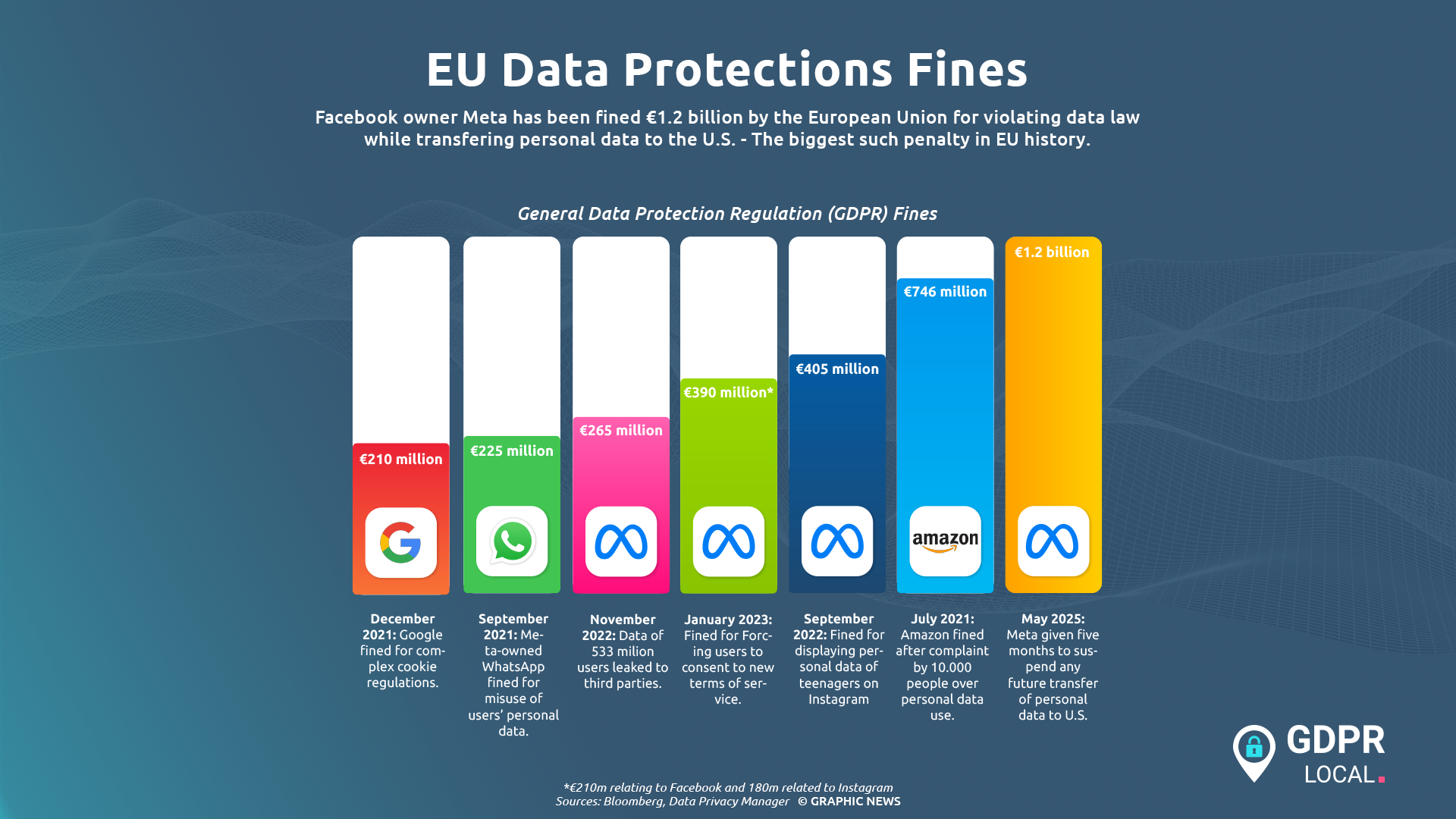
Meta has consistently maintained that its systems are designed to protect user privacy and that it takes proactive steps to combat scraping. In public statements, the company has emphasized that the data in question was already public and that it has since updated its security infrastructure to restrict the capabilities of automated scrapers. According to official Meta newsroom updates, the company regularly monitors for suspicious activity and works with regulators to address concerns regarding platform security and data integrity.
Steps for Affected Users
Consumers who believe their data was compromised should monitor official updates from their national data protection authorities. In Germany, for example, the Federal Commissioner for Data Protection and Freedom of Information provides resources for individuals to understand their rights and how to file complaints. It is essential for users to be wary of third-party websites or services claiming to guarantee a specific payout, as these may be phishing attempts or scams.
To stay informed, users should check the following:

- Official government portals regarding GDPR violations and class-action status.
- Statements from reputable consumer protection agencies, such as the Verbraucherzentrale in Germany.
- Direct notifications from Meta, which is required to inform users if their specific data has been subject to a verified security breach.
The legal process remains in the discovery and filing stages in several courts. The next significant checkpoint will involve rulings on whether these collective actions can proceed to trial or if they will be resolved through a settlement agreement. As these cases move forward, updates will be provided by the relevant court registries and official regulatory announcements. Readers are encouraged to share this information and stay updated on further legal developments as they are verified.
- Total Solar Eclipse and Meteor Shower Over Poland: August 12 Spectacle
- How to Monitor Your 14-Year-Old’s Snapchat Without Being Too Invasive
- Iconic Image of the UNAM Central Library on Facebook (world-today-news.com)
- DC Series Lanterns Starring Aaron Pierre and Kyle Chandler Premieres This Month (archyde.com)