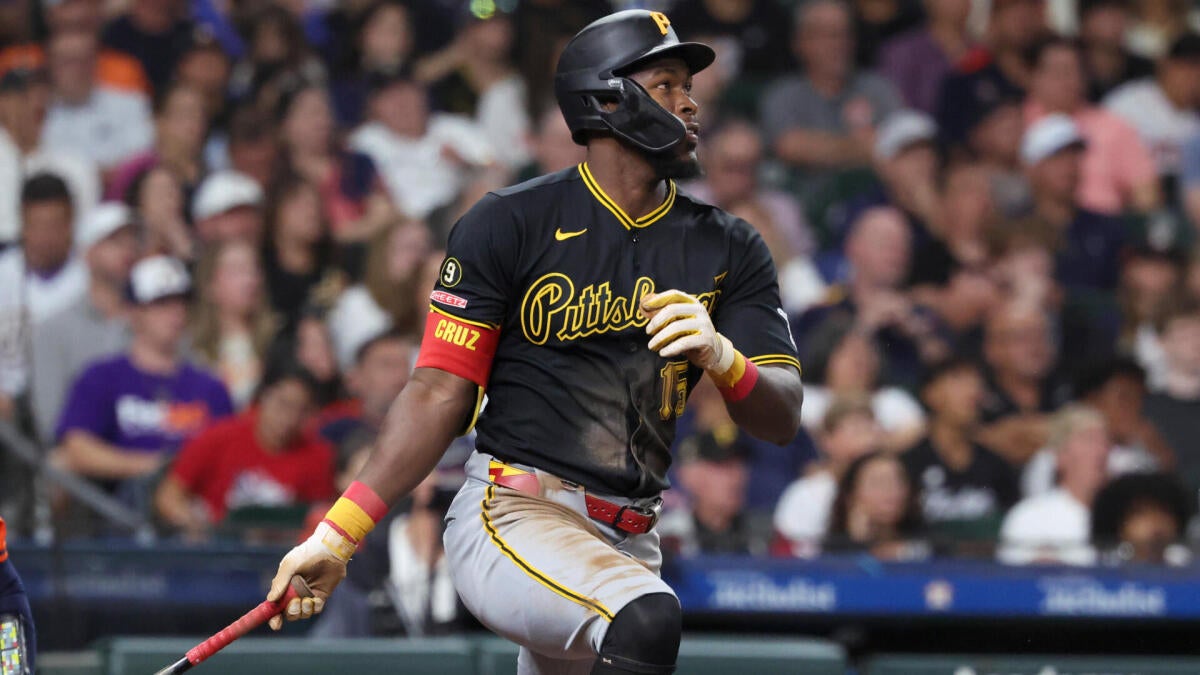
Managing fantasy baseball rosters requires identifying high-value players on the Injured List (IL) who can provide significant production upon their return. Current top IL stashes include elite talents like Ronald Acuña Jr. and Spencer Strider, alongside key contributors like Vinnie Pasquantino, whose availability remains a critical factor for mid-season roster construction.
The recent weekend injury reports have shifted the landscape for many fantasy managers. According to recent updates, players including Vinnie Pasquantino and Spencer Strider have been central to injury discussions, forcing managers to re-evaluate their depth and waiver wire priorities. While some players face season-ending procedures, others are navigating shorter-term stints on the IL that present prime “stash” opportunities for those with sufficient roster flexibility.
Why IL Stashing is Critical for Fantasy Success
The ability to effectively use the Injured List is often the difference between a championship season and an early exit in fantasy baseball. In most standard leagues, the IL allows managers to move injured players to a separate roster spot, freeing up a bench position to pick up a replacement. This mechanism is designed to mitigate the impact of inevitable attrition in a 162-game season.
Successful stashing involves two primary components: talent evaluation and timing. Managers must distinguish between “drop” candidates—players whose skill sets are declining or whose recovery timelines are indefinite—and “stash” candidates, who possess elite upside but are temporarily sidelined. High-value stashes are players whose statistical profiles (such as high home run rates, stolen base potential, or high strikeout rates for pitchers) are too significant to abandon.
The complexity of the task increases when considering the type of injury. For example, soft tissue injuries like oblique strains or hamstring pulls often have more predictable recovery windows than structural issues like ligament tears or fractures. Monitoring the official injury reports from teams like the Kansas City Royals or the Atlanta Braves is essential for determining when a player might be ready for a rehab assignment.
Top-Tier IL Stashes: The Elite Talent
The “Elite Tier” consists of players who, if healthy, are top-20 assets in almost every fantasy format. Losing these players is a significant blow, but holding them on the IL is mandatory for long-term success.
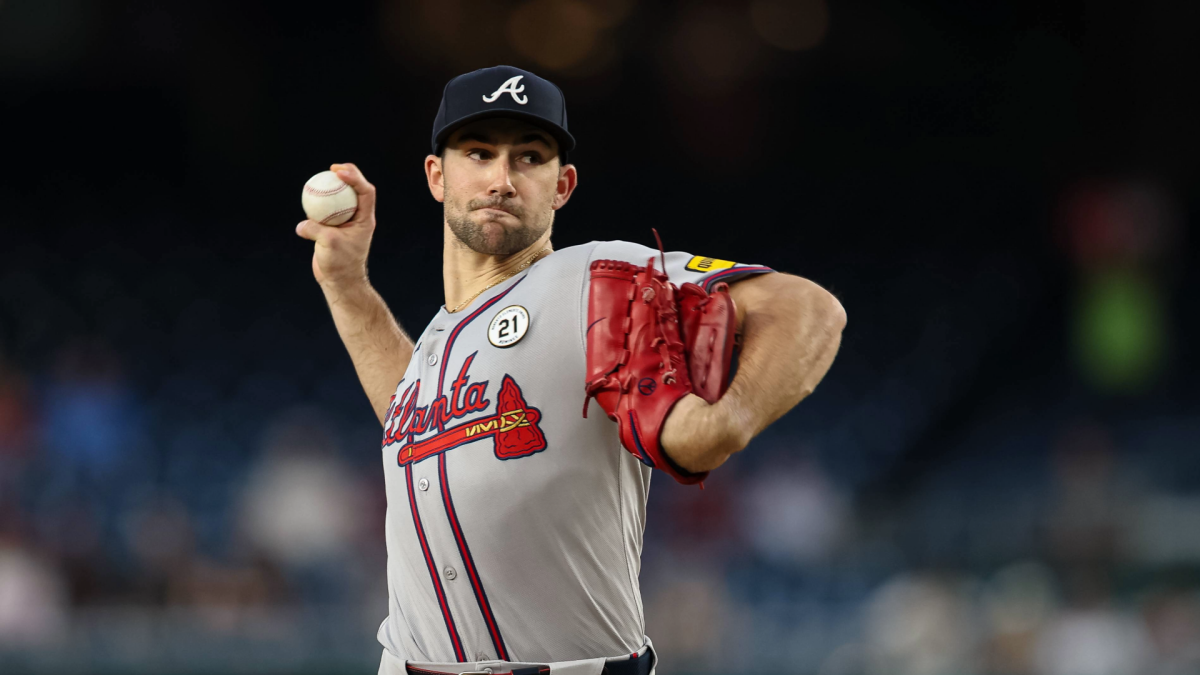
Ronald Acuña Jr. (ATL): Following his season-ending ACL injury, Acuña represents the ultimate high-risk, high-reward stash. While he will not contribute for the remainder of the current season, his profile as a dual-threat power and speed cornerstone makes him a primary target in dynasty or keeper leagues. His ability to impact multiple categories simultaneously is unmatched in the current era.
Spencer Strider (ATL): As reported by multiple sports outlets, Strider’s injury status has been a focal point for fantasy pitchers. His elite strikeout potential makes him a cornerstone of any pitching staff. While his recovery involves significant rehabilitation, his ceiling remains among the highest in Major League Baseball. Managers in keeper formats must prioritize his return, as his ability to drive up K/9 metrics is a rare commodity.
Christian Yelich (MIL): Yelich has faced various physical setbacks, including hamstring and calf issues. Despite the frequency of his time on the IL, his offensive production when healthy remains elite. For managers in head-to-head formats, Yelich is a player who can win a week single-handedly if his availability aligns with key matchups.
Mid-Tier Value: Maximizing Roster Depth
The mid-tier stashes are players who provide solid, foundational value. They may not win a league on their own, but they stabilize a roster and provide crucial production in specific categories.

Vinnie Pasquantino (KC): Pasquantino has emerged as a key figure in the Kansas City Royals’ lineup. His ability to maintain a high on-base percentage (OBP) and contribute significant extra-base hits makes him a valuable stash. Following his recent injury concerns, managers should monitor the Royals’ official medical updates to gauge his return to the active roster. He is particularly valuable in leagues that prioritize batting average and OBP.
Walker Buehler (LAD): For fantasy managers looking for pitching depth, Buehler represents a high-upside option. His history of high-level performance in postseason settings suggests a high ceiling, though his recovery timeline requires patience. Stashing a pitcher of his caliber allows managers to navigate the volatility of mid-rotation starters.
Bo Bichette (TOR): Bichette’s ability to provide consistent contact and run production makes him a perennial fantasy asset. Any time he enters the IL, he becomes a priority stash for managers who can afford to hold him. His impact on the Toronto Blue Jays’ offense is central to his value in both batting average and run-scoring categories.
Managing Hand and Wrist Injury Risks
While the current injury landscape is dominated by elbow and oblique concerns, hand and wrist injuries remain a significant threat to fantasy hitters. These injuries are particularly difficult to manage because they can impact a player’s swing mechanics and grip strength, leading to prolonged recovery periods or even permanent changes in performance.
When a player suffers a hand fracture or a significant wrist strain, the recovery is rarely a straight line. Managers should look for the following indicators before activating a player:
- Swing Mechanics: Does the player appear to be “pushing” the ball or losing bat speed?
- Grip Strength: Is the player struggling with high-velocity fastballs or breaking balls?
- Official Team Reports: Has the team moved the player from the 10-day IL to the 15- or 60-day IL?
While elite players like Jose Ramirez or Oneil Cruz are often discussed in the context of high-intensity play, any report of hand-related issues must be treated with caution. The priority for fantasy managers should always be to wait for a player to show consistent contact in spring training or minor league rehab assignments before reintegrating them into a starting lineup.
The Economics of the IL: Waiver Wire and Roster Management
The presence of high-value players on the IL creates a ripple effect throughout the fantasy ecosystem. As top-tier talent is moved to the IL, the “replacement level” talent on the waiver wire increases in value. This is often referred to as the “waiver wire boom.”
When a star like Spencer Strider goes down, the demand for reliable starting pitching spikes. This can lead to a “run” on available pitchers, often causing managers to overpay in terms of FAAB (Free Agent Acquisition Budget) or waiver priority. To avoid this, successful managers often build depth in advance or maintain a reserve of FAAB specifically for these injury-driven surges.
Strategic roster management also involves knowing when to “sell high” on a player who has just been injured. If a player’s injury is severe and their recovery is uncertain, trading them to a manager in a deeper league or a dynasty format can recoup value that would otherwise be lost if the player were dropped to a free agent.
Frequently Asked Questions Regarding MLB Injuries
How long should I keep a player on my IL?
The duration depends on the player’s profile and the injury type. Elite players (Tier 1) should be kept as long as the rules allow. Mid-tier players should be evaluated based on their projected return date and your current roster needs.
What is the difference between the 10-day and 15-day IL?
The 10-day IL is typically for minor injuries, while the 15-day IL is used for more significant issues. In many fantasy leagues, these are treated similarly, but the 15-day IL can sometimes provide more flexibility for longer-term stashing.
When should I drop a player on the IL?
You should consider dropping a player if their recovery timeline is indefinite, if they are in a deep dynasty league where you need the roster spot for active talent, or if their projected performance upon return does not justify the roster spot.
How do I track injury updates effectively?
The most reliable methods are following official team social media accounts, monitoring MLB’s transactional wire, and checking reputable sports news outlets for confirmed medical updates.
The next major checkpoint for fantasy managers will be the official injury reports following the upcoming series of games. Continued monitoring of player availability is essential for maintaining a competitive roster.
Do you have a favorite IL stash this season? Share your strategies and player rankings in the comments below and share this article with your league mates.