
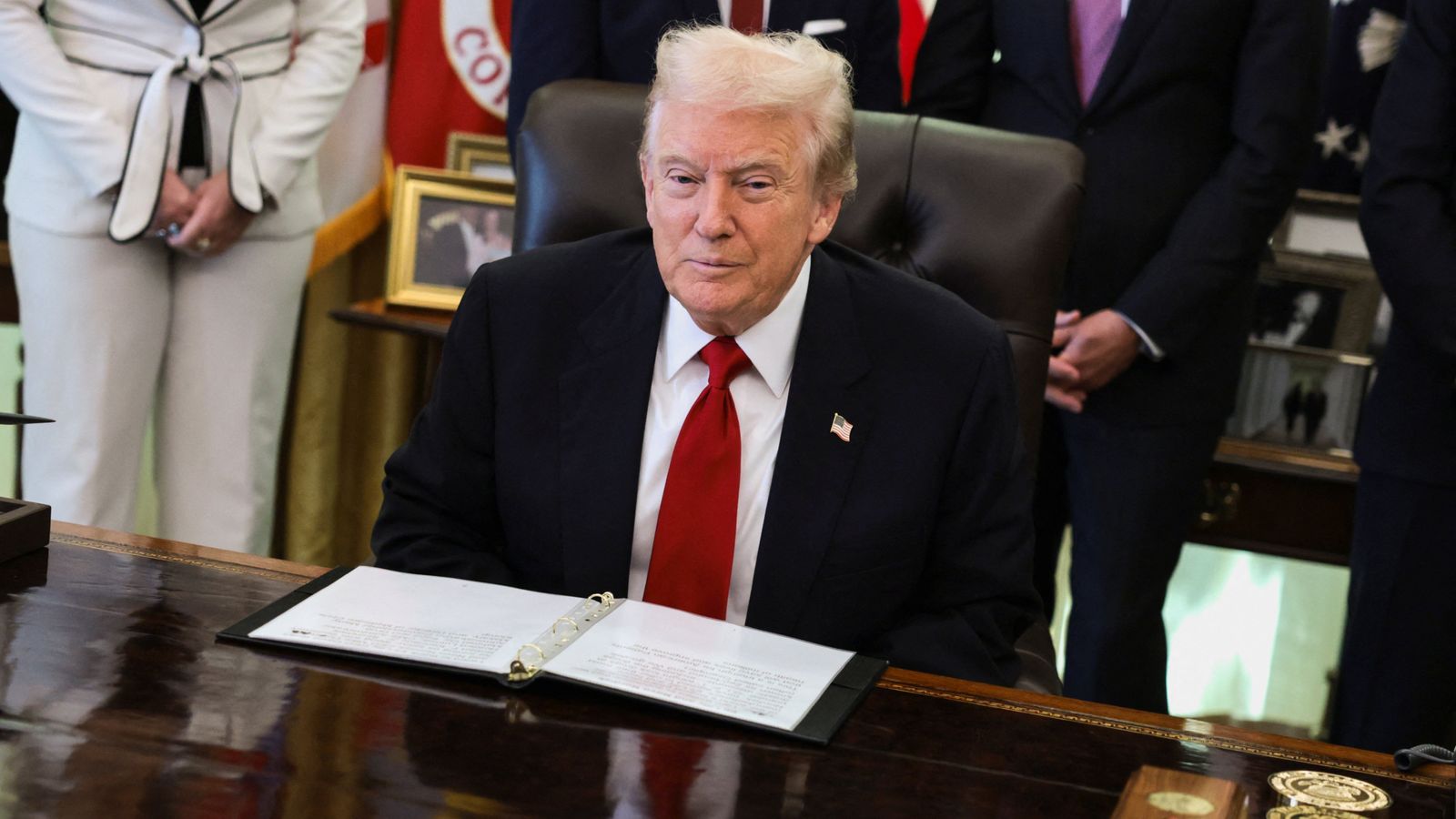
Former U.S. President Donald Trump’s recent remarks regarding the ongoing conflict in Ukraine have drawn significant attention during the latest cycle of international diplomatic discussions. Trump stated that the United States’ involvement in the war is not a core strategic interest, characterizing the American role primarily as a provider of military equipment. This position contrasts with the current administration’s policy of providing extensive security and financial assistance to Kyiv, according to reports from Reuters.
The discourse surrounding American foreign policy in Eastern Europe remains a focal point for international observers, particularly as global leaders assess the long-term sustainability of support for the Ukrainian government. While the current U.S. executive branch continues to coordinate with G7 partners to maintain pressure on Moscow, the rhetoric from the former president highlights a deepening divide in American political priorities regarding the war’s conclusion. The conflict, which began with the full-scale Russian invasion in February 2022, continues to be a central topic at major diplomatic summits, as noted by the Council on Foreign Relations.
Shifting Perspectives on U.S. Foreign Policy
The debate over whether the U.S. should prioritize domestic issues over international military commitments has intensified as the 2024 election cycle approaches. Trump has consistently argued that the financial burden of the war should be shifted more heavily onto European allies. This perspective departs from the bipartisan consensus that has largely defined U.S. aid packages since 2022, which have totaled over $175 billion in military, financial, and humanitarian assistance, according to data from the U.S. Department of State.
Conversely, the Biden administration maintains that the defense of Ukraine is essential to upholding international law and protecting the sovereignty of democratic nations. During recent G7 meetings, leaders reaffirmed their commitment to the “Vilnius Joint Declaration,” which outlines long-term security commitments to Ukraine. These commitments are designed to ensure that Ukraine can deter future aggression, regardless of changes in domestic political leadership within member states, as detailed by the White House press office.
The Role of G7 Diplomacy in the Conflict
The G7 continues to serve as the primary forum for coordinating sanctions against the Russian energy sector and financial systems. Member nations have consistently sought to tighten the enforcement of a price cap on Russian oil, an effort aimed at reducing the revenue Moscow uses to fund its military operations. According to the U.S. Department of the Treasury, these sanctions involve a complex web of international cooperation to prevent the evasion of trade restrictions.
Diplomatic efforts to reach a ceasefire remain stalled, as the conditions for peace differ significantly between Kyiv and Moscow. Ukrainian President Volodymyr Zelenskyy has consistently maintained that any resolution must include the withdrawal of Russian forces from all occupied territories, including Crimea. Meanwhile, the Kremlin continues to demand that Ukraine recognize “new territorial realities,” a condition that Kyiv and its Western allies have categorically rejected. This fundamental impasse has made high-level negotiations, such as those discussed during international summits, difficult to facilitate, as reported by the BBC.
Assessing the Impact of Potential Policy Changes
The prospect of a shift in U.S. policy has prompted European leaders to consider the future of their own defense expenditures. Many NATO members have already increased their defense budgets to meet the 2% of GDP target, acknowledging that they may need to play a larger role in security if U.S. engagement decreases. The North Atlantic Treaty Organization has emphasized the importance of burden-sharing as a means to ensure the collective security of the alliance members.
For the average reader, these diplomatic maneuvers carry practical implications, particularly regarding energy prices and global supply chain stability. The continuation of the war has disrupted grain exports and energy markets, contributing to inflationary pressures across Europe and North America. International organizations, including the International Monetary Fund, have frequently cited the geopolitical uncertainty caused by the conflict as a primary risk factor for the global economy.
Future Developments and Official Updates
The next major checkpoint for international coordination remains the periodic meetings of the Ukraine Defense Contact Group, where representatives from over 50 nations discuss ongoing military support requirements. These sessions provide the most accurate account of the equipment being supplied and the strategic priorities of the coalition. The international community is expected to monitor these discussions closely as the conflict enters its next phase.
Observers are encouraged to follow official statements from the U.S. Department of Defense and the European External Action Service for the most reliable information regarding aid and diplomatic progress. As the global community continues to evaluate the path toward peace, maintaining a focus on verified reports remains essential to understanding the complexities of the situation. We invite readers to share their insights in the comments section below as we continue to track these developments.
Keep reading