
Bakery Bakery is expanding its presence in the Swiss market by scaling its artisanal, plant-based pastry production to meet rising consumer demand for high-quality vegan alternatives. The bakery’s growth strategy focuses on maintaining traditional craftsmanship while utilizing dairy-free ingredients that appeal to both vegan and flexitarian customers.
The Swiss bakery, which began as a specialized plant-based concept, is now moving beyond its initial niche to capture a broader share of the regional pastry market. This expansion comes as consumer preferences in Europe shift toward sustainable food systems and dairy-free diets, driven by environmental concerns and health trends.
By focusing on “taste-first” product development, Bakery Bakery has managed to bridge the gap between strict veganism and mainstream bakery culture. The company’s ability to replicate the texture and flavor profiles of traditional butter-based pastries has become a cornerstone of its business model, allowing it to compete directly with established non-vegan bakeries in urban centers like Zurich.
How is Bakery Bakery scaling its vegan pastry business?
The expansion of Bakery Bakery relies on a dual approach of maintaining artisanal quality while increasing production capacity. Unlike many mass-produced vegan alternatives found in supermarkets, the company emphasizes small-batch techniques that preserve the flaky, layered structure essential to high-end pastries such as croissants and pains au chocolat.
According to industry analysts observing the Swiss food sector, the success of such specialized brands often depends on their ability to secure consistent, high-quality plant-based fats that mimic animal-derived butter. Bakery Bakery has reportedly optimized its supply chain to ensure that its expansion does not compromise the structural integrity of its baked goods, a common failure point for scaling vegan businesses.
The company has also targeted strategic urban locations where the density of “flexitarians”—consumers who actively reduce meat and dairy intake but do not follow a strict vegan diet—is highest. This demographic represents a significant portion of the modern European consumer base, providing a much larger market than the vegan population alone.
Why is the Swiss plant-based market growing so rapidly?
The growth seen by Bakery Bakery is not an isolated event but part of a larger trend within the Swiss and broader European food industries. Several key factors are driving this demand:
- Environmental Awareness: Consumers are increasingly linking dairy production to high carbon footprints and water usage, leading to a preference for plant-based alternatives.
- Health Consciousness: A growing segment of the population is seeking lower-cholesterol and dairy-free options to manage dietary health.
- Product Innovation: Technological advancements in food science have made plant-based fats and proteins significantly more palatable, reducing the “taste gap” that previously hindered vegan adoption.
- Mainstream Accessibility: As vegan options move from specialty health stores to mainstream bakeries and cafes, social stigma has diminished, and availability has increased.
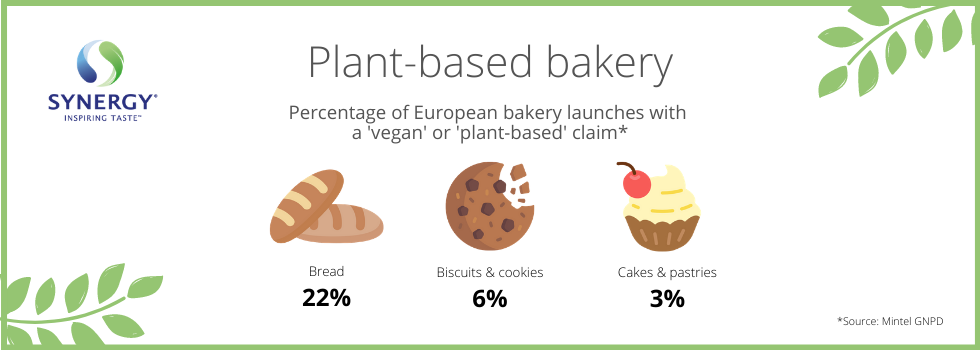
Data from various European market research firms suggests that the plant-based sector is outperforming traditional dairy-based categories in terms of year-on-year growth. This shift is forcing traditional bakeries to either incorporate vegan lines or risk losing market share to agile, specialized competitors like Bakery Bakery.
What are the primary challenges for vegan bakery expansion?
While the growth trajectory is positive, scaling a vegan bakery presents unique operational hurdles. One of the most significant challenges is the cost of ingredients. High-quality plant-based fats, such as specialized coconut oil blends or high-grade vegan butters, often command a premium price compared to traditional dairy products, which can squeeze profit margins during rapid expansion.
Additionally, maintaining consistency across multiple locations requires rigorous training and standardized recipes. In an artisanal setting, the nuance of fermentation and temperature control is vital. As Bakery Bakery moves into new territories, the company must ensure that the “handmade” quality that built its brand is not lost to the efficiencies required by larger-scale operations.
Supply chain volatility also remains a risk. As more companies enter the plant-based space, the competition for high-quality, non-GMO, and sustainably sourced ingredients intensifies, potentially leading to price fluctuations that could impact the final retail cost for consumers.
Key Takeaways: The Rise of Plant-Based Bakeries
| Driver of Growth | Impact on Market |
|---|---|
| Flexitarianism | Expands the target audience beyond strict vegans. |
| Ingredient Tech | Improves texture and flavor of vegan pastries. |
| Sustainability | Drives long-term consumer loyalty in Europe. |
| Urban Density | Provides the necessary customer base for specialized retail. |
As the company continues its rollout, industry observers will be watching to see if Bakery Bakery can maintain its premium positioning while managing the logistical complexities of a growing retail footprint. The next phase of its development will likely involve assessing the feasibility of wholesale distribution to high-end cafes and hotels.
For further updates on Swiss business developments and food industry trends, please monitor official company filings and regional economic reports. We invite you to share your thoughts on the future of plant-based retail in the comments below.