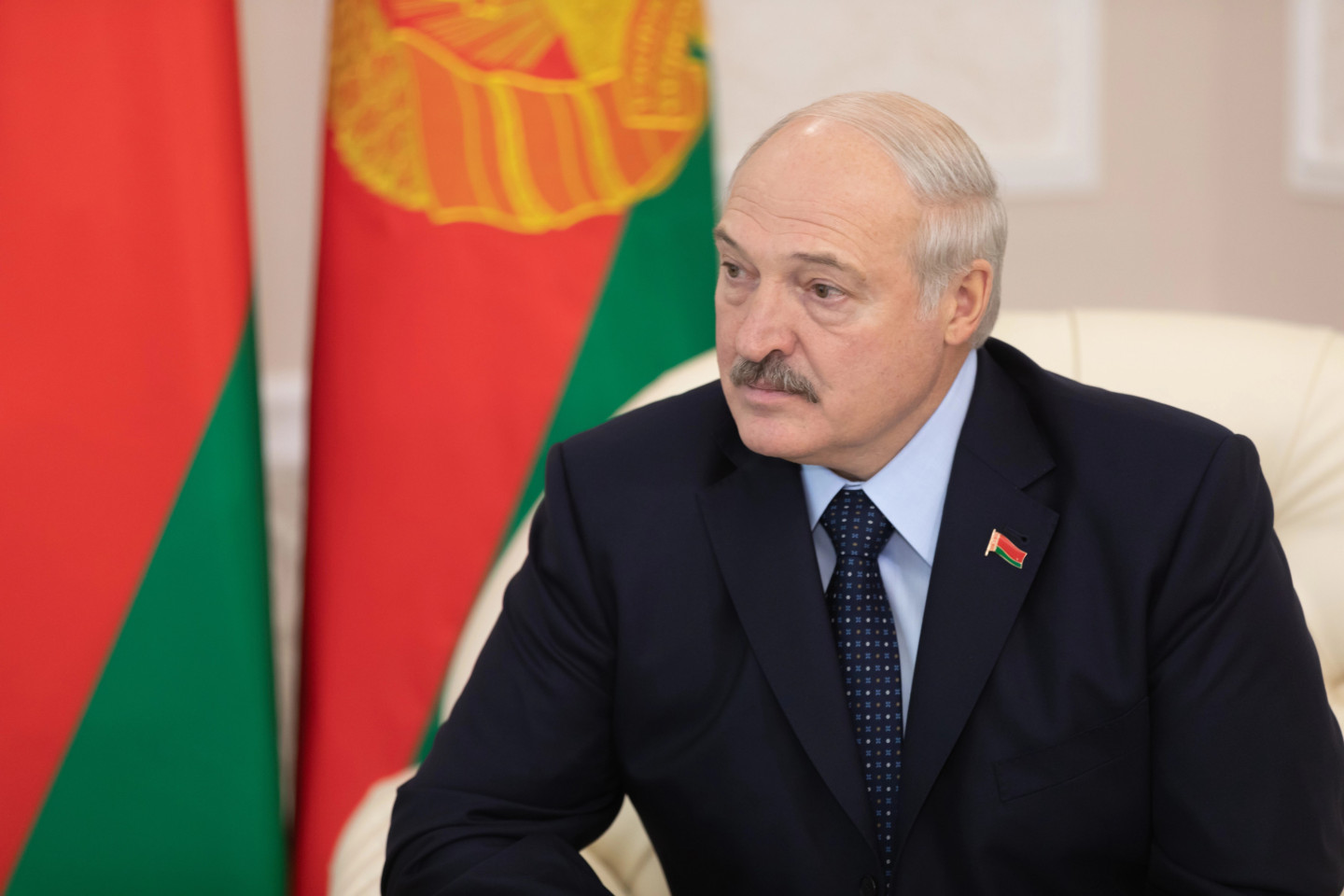
Belarusian President Alexander Lukashenko’s recent diplomatic maneuvers indicate a shifting dynamic in Moscow’s influence over the post-Soviet space, as the long-time leader seeks to balance his traditional reliance on the Kremlin with an emerging desire for greater foreign policy autonomy. While Belarus remains Russia’s closest security partner, analysts point to Lukashenko’s recent overtures to non-aligned nations and his refusal to formally recognize Russian-backed territorial claims as evidence of a calculated attempt to hedge against isolation.
The geopolitical landscape of the region has been significantly altered since the full-scale invasion of Ukraine in February 2022, a conflict that forced Minsk into an even deeper integration with Moscow through the Union State framework. According to the Carnegie Endowment for International Peace, Lukashenko has historically utilized the threat of Western encroachment to secure Russian subsidies, yet the current reality of heavy Western sanctions has limited his maneuverability. Despite this, experts observe that Lukashenko continues to resist the full integration of Belarusian military and political structures into the Russian apparatus, fearing the loss of his own domestic power base.
The Evolution of the Union State
The Union State, a project dating back to 1999, was intended to integrate the two nations economically and politically. However, progress has often been stymied by disputes over energy prices and sovereignty. While Russia provides significant financial and security support to Minsk, the Atlantic Council reports that the Kremlin’s influence has reached unprecedented levels following the 2020 Belarusian presidential election, where Moscow’s backing was crucial for Lukashenko’s survival against widespread protests.
Recent tensions have emerged as Lukashenko seeks to maintain a semblance of “multi-vector” diplomacy—a policy he championed for years before the 2020 crackdowns. By hosting international summits and maintaining channels with regional actors beyond Russia’s immediate orbit, Minsk appears to be signaling that it is not merely a satellite state. However, the Reuters news agency noted that Belarus’s territory was used as a staging ground for the Russian invasion of Ukraine, a move that fundamentally tied the two regimes together in the eyes of the international community.
Shifting Regional Dynamics
Russia’s influence across the post-Soviet space is currently facing pressure not only in Belarus but also in the South Caucasus and Central Asia. Armenia, for instance, has taken explicit steps to distance itself from the Moscow-led Collective Security Treaty Organization (CSTO), citing a lack of support during border conflicts with Azerbaijan. The Radio Free Europe/Radio Liberty reports that Armenian Prime Minister Nikol Pashinyan has frozen his country’s participation in the bloc, marking a significant departure from traditional security arrangements.
In contrast to Armenia’s overt withdrawal, Lukashenko’s approach remains one of subtle recalibration. By avoiding direct participation in the war in Ukraine and maintaining a rhetoric of “peace-seeking,” the Belarusian leader attempts to keep his options open should the regional balance of power shift. This strategy is complicated by the presence of Russian tactical nuclear weapons, which were deployed to Belarus in 2023. According to the International Institute for Strategic Studies, the deployment of these assets has effectively integrated Belarus into Russia’s nuclear deterrent posture, complicating any efforts by Minsk to pursue an independent security policy.
Economic Constraints and Political Survival
Economic dependence remains the primary anchor of the Russia-Belarus relationship. Since the imposition of comprehensive sanctions by the European Union and the United States, Belarus has become almost entirely reliant on Russian markets and transit corridors. The World Bank notes that the Belarusian economy has been forced to restructure toward the East, leaving little room for a return to the balanced trade policies of the previous decade.
For Lukashenko, the primary objective remains the stability of his own governance. His “demonstration” of independence is often viewed by observers as a performative act intended for two audiences: the Belarusian public, who remain largely skeptical of total absorption by Russia, and the Kremlin, which demands total loyalty. As the conflict in Ukraine continues to drain regional resources, the cost of this balancing act is expected to rise. The next major test of this relationship will likely occur during upcoming sessions of the Supreme State Council of the Union State, where further integration mandates are routinely reviewed.
Readers interested in the ongoing developments within the post-Soviet region can monitor updates from the Organization for Security and Co-operation in Europe (OSCE) regarding regional security protocols. We welcome your thoughts on how these diplomatic shifts might affect European stability in the coming year. Please join the conversation in the comments section below.
Keep reading