
The U.S. Department of Justice has initiated a civil lawsuit against Public Partnerships LLC (PPL) and the New York State Department of Health (DOH), alleging that the transition of the state’s Consumer Directed Personal Assistance Program (CDPAP) to a single fiscal intermediary was part of a fraudulent scheme. The complaint, filed in federal court, claims the selection process for the sole administrator was rigged and resulted in the siphoning of millions of dollars from the Medicaid program, according to official court documents released by the Department of Justice.
As a physician and health journalist, I recognize the critical importance of the CDPAP to the lives of hundreds of thousands of New Yorkers. The program allows patients to hire family members or friends as caregivers, providing a level of autonomy that institutional care cannot match. However, the allegations brought by the federal government suggest that the administrative shift, which was intended to streamline the program, has instead created significant instability for the very individuals it was designed to serve.
The Allegations of Procurement Fraud
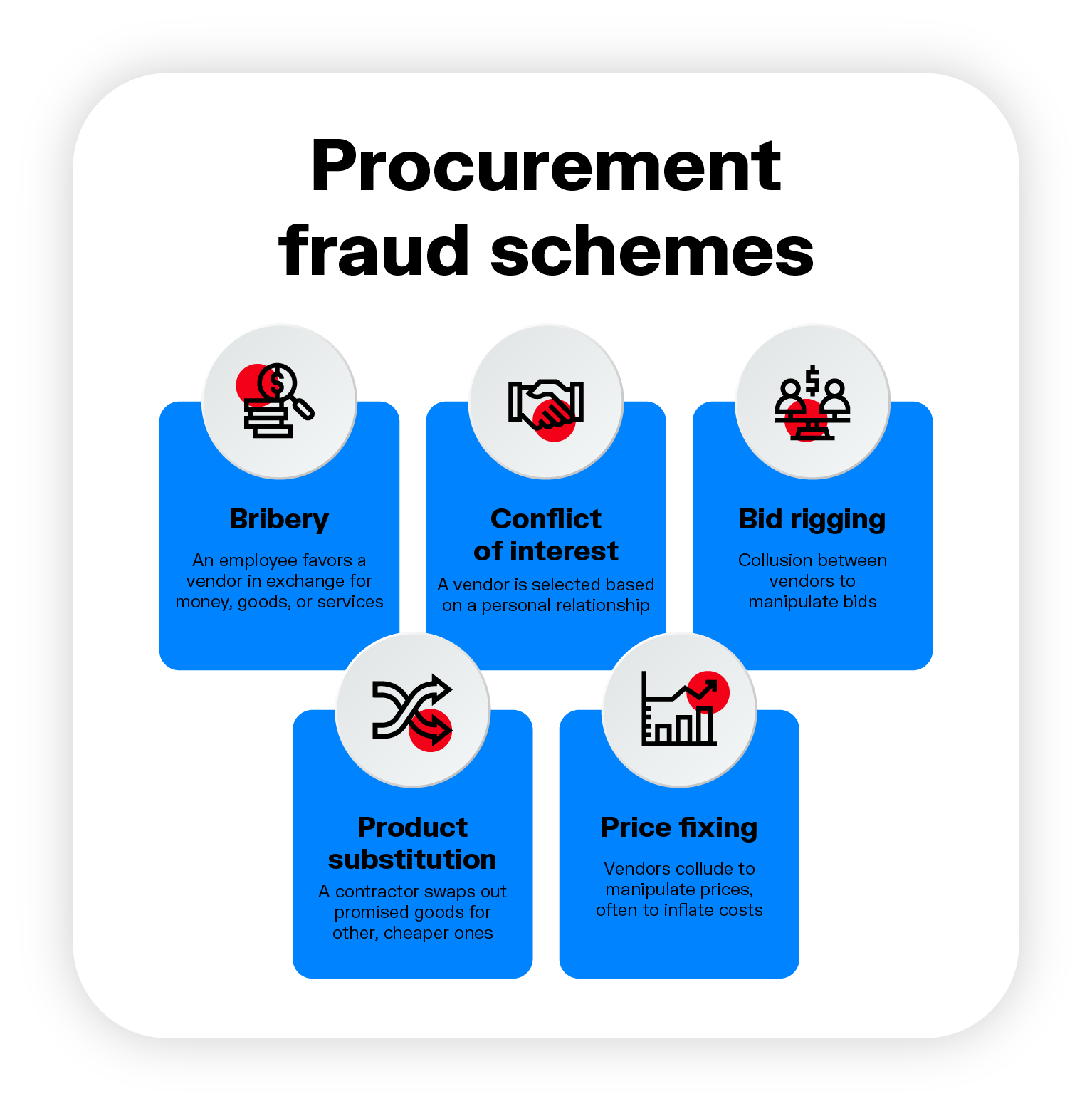
At the center of the government’s complaint is the assertion that the procurement process, which led to the selection of PPL as the sole fiscal intermediary in October 2024, was fundamentally compromised. Federal prosecutors allege that the New York DOH and PPL engaged in a “backroom deal” that effectively finalized the selection of the Georgia-based company before the formal request for proposal (RFP) process had even concluded, according to statements made by the Justice Department’s National Fraud Enforcement Division.
The lawsuit claims that PPL secured the contract by presenting a series of false or misleading statements to state officials. Among the most significant allegations is the claim that PPL misrepresented its operational readiness and its technical infrastructure. Specifically, the DOJ asserts that PPL touted proprietary software, known as PPL@Home, which the suit claims did not exist at the time of the bid submission and was later found to be plagued by technical failures. Furthermore, the complaint alleges that PPL promised a workforce of professional administrators, but instead utilized temporary call center staff to manage the transition, leading to widespread disruptions in payroll and caregiver support.
Impact on Medicaid Patients and Caregivers
The human cost of these alleged operational failures is a focal point of the federal complaint. The DOJ contends that systemic issues within PPL’s management resulted in many caregivers going without pay for extended periods, forcing some to abandon their roles entirely. For the patients relying on these caregivers, the impact has been severe; the lawsuit describes instances where medically vulnerable individuals were effectively forced into institutionalized settings, such as nursing homes, because their personal care arrangements were disrupted by the administrative chaos.

According to the Justice Department, PPL implemented what the suit describes as an “hourly rate game.” By taking a small percentage of the billing for each of the approximately 350 million hours of care provided annually through CDPAP, the company allegedly extracted significant, improper profits. Federal investigators argue that these gains were made at the expense of both the taxpayer and the stability of the home-based care system.
Department of Health and PPL Responses
Both the state government and the company named in the lawsuit have vehemently denied the allegations. In a statement provided to media outlets, the New York State Department of Health characterized the federal lawsuit as “baseless” and “inexcusable.” State officials argue that the transition to a single fiscal intermediary was a necessary measure to address a fiscal crisis within the CDPAP, claiming the move removed “hundreds of wasteful administrative middlemen” and reduced overall costs for taxpayers.
Public Partnerships LLC has also issued a formal response, defending its performance and the integrity of the selection process. A spokesperson for PPL stated that the company was selected through a “transparent, competitive process” aimed at strengthening and modernizing the program. The company maintains that it has cooperated fully with state partners throughout the transition and continues to stand by the services it provides to New York residents.
What Happens Next
The federal government is currently seeking a permanent injunction to halt the alleged fraudulent activities, as well as a freeze on certain funds held by PPL. The DOJ has specifically requested that the court restrict PPL to the $68.50 per-member, per-month fee it originally proposed in its bid, preventing the company from retaining additional revenue that may have been generated through the alleged “hourly rate” scheme. The case is being handled by the Civil Division’s Enforcement and Affirmative Litigation Branch, with Assistant Director Patrick Runkle leading the federal legal team.
This litigation represents a significant escalation in the federal oversight of state-run Medicaid programs. As the case proceeds, the court will need to determine whether the procurement process met the legal standards for transparency and whether the operational outcomes under the new model violated federal law. For now, the legal proceedings remain in the early stages, and no trial dates have been set for the civil complaint.
We will continue to monitor this case as further filings are made public by the court. Readers are encouraged to share their experiences with the CDPAP transition or ask questions in the comments section below, and I will do my best to address them as more verified information becomes available.
Keep reading