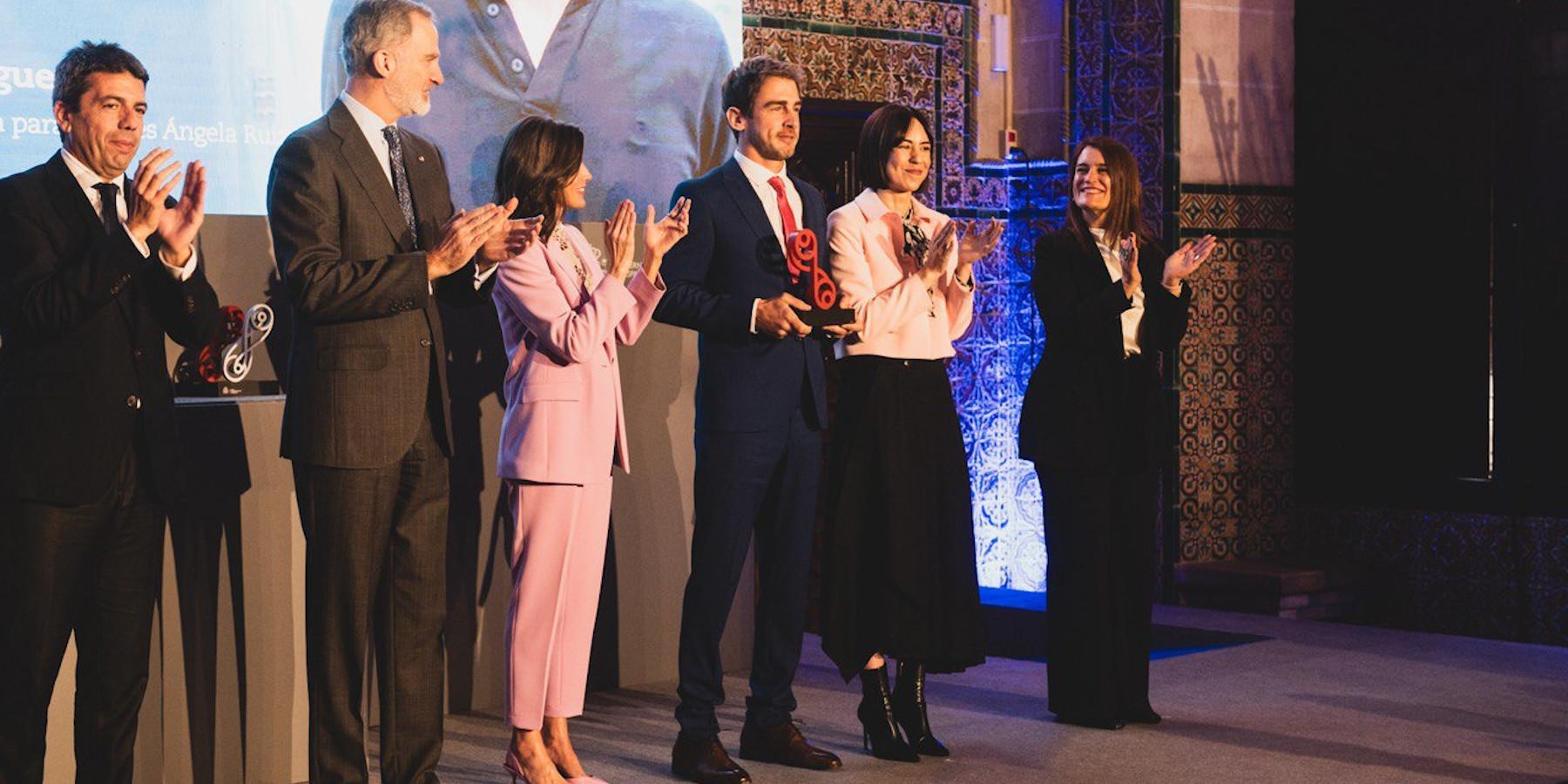
Astrophysicist Nadejda Blagorodnova, a researcher at the Institute of Cosmos Sciences (ICCUB) at the University of Barcelona, has been awarded the 2024 National Research Award for Young Talent in Spain. The Spanish Ministry of Science, Innovation and Universities conferred the honor to recognize Blagorodnova’s contributions to the study of transient astronomical phenomena and her work in identifying stellar explosions using large-scale data surveys.
The National Research Awards represent the highest recognition of scientific activity in Spain. According to the Ministry of Science, Innovation and Universities, these accolades honor researchers who have demonstrated exceptional talent and significant international impact within their respective fields. Blagorodnova’s recognition highlights the growing prominence of Spanish research in global astrophysics and data-driven cosmology.
Advancing the Study of Cosmic Transients
Blagorodnova’s research focuses on “transients”—brief, high-energy events in the universe such as supernovae, tidal disruption events, and other stellar outbursts. By utilizing advanced machine learning algorithms to process data from large astronomical surveys, she has improved the efficiency of detecting and classifying these fleeting occurrences. Her work is vital for understanding the life cycles of stars and the evolution of galaxies.
As a researcher at the Institute of Cosmos Sciences (ICCUB), Blagorodnova is part of a team that integrates theoretical physics with observational data from space telescopes and ground-based observatories. The integration of artificial intelligence into her workflows has allowed for the real-time analysis of massive datasets, a necessity for modern time-domain astronomy where thousands of alerts are generated every night by automated telescopes.
Impact of the National Research Award
The Ministry of Science, Innovation and Universities established the Young Talent category to support and incentivize researchers under the age of 40 who show extraordinary potential. By receiving this award, Blagorodnova joins a select group of scientists who have shaped the trajectory of Spanish research. The award also includes a financial endowment intended to support the recipient’s ongoing projects and laboratory infrastructure.

For the University of Barcelona, this award reinforces the institution’s standing in international scientific rankings. Blagorodnova’s work is frequently cited in the context of global collaborations, including her involvement in the Gaia mission, which aims to create the most precise 3D map of our galaxy. Her ability to translate complex astronomical data into actionable scientific insights has been a hallmark of her career since completing her doctoral studies.
The Role of Data Science in Modern Astrophysics
The recognition of Blagorodnova’s work underscores a wider shift in astronomy toward data-intensive discovery. In the past, astronomers relied on manual inspection of photographic plates; today, the volume of data produced by instruments like the Vera C. Rubin Observatory or the Zwicky Transient Facility requires automated, high-speed pipelines. Blagorodnova’s expertise sits at the intersection of traditional astrophysics and modern computational science.
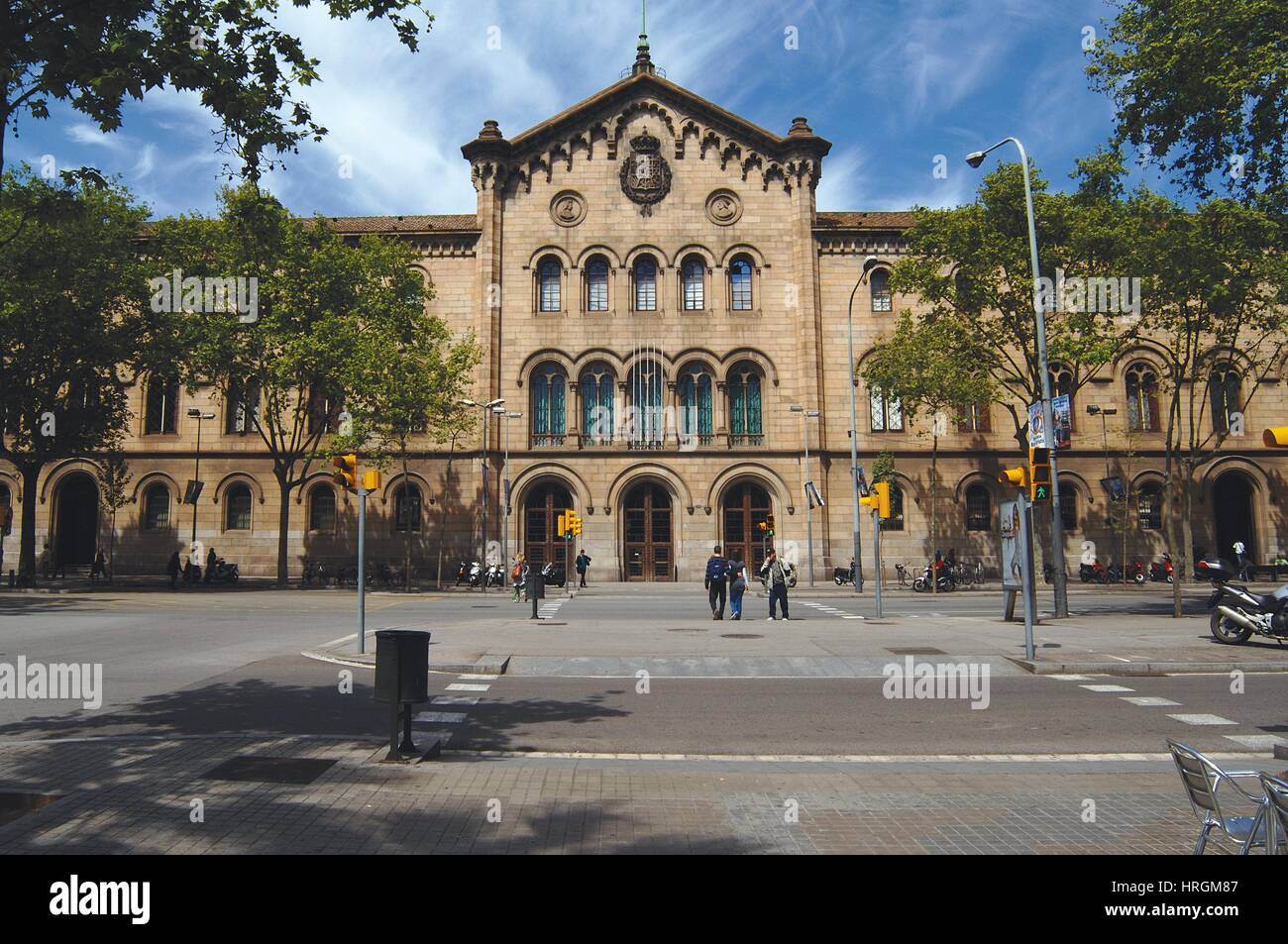
According to the University of Barcelona, the ICCUB has become a hub for such interdisciplinary research, fostering environments where computer scientists and cosmologists collaborate to solve fundamental questions about the nature of dark matter, dark energy, and the origins of the universe. Blagorodnova’s success serves as a case study for how early-career scientists can lead these large-scale collaborative efforts.
Future Directions and Scientific Outlook
Looking ahead, Blagorodnova is expected to continue her work on multi-messenger astronomy—the practice of observing the universe through different types of signals, such as light, gravitational waves, and neutrinos. As technology improves, the ability to synthesize these signals will provide a more complete picture of the most violent events in the cosmos.
The formal presentation of the National Research Awards is expected to take place in a ceremony hosted by the Spanish government later this year, where the winners will be formally recognized for their contributions. For those interested in following the progress of these research projects, the Ministry of Science, Innovation and Universities maintains a public register of award recipients and ongoing scientific initiatives. We invite our readers to share their thoughts on the role of AI in space exploration in the comments section below.
Keep reading