
Taking blood pressure medication at bedtime may provide superior cardiovascular protection compared to morning dosing, according to findings from large-scale clinical research. By aligning the administration of antihypertensive drugs with the body’s natural circadian rhythm, patients may achieve better control over nocturnal blood pressure, a critical factor in reducing the risk of stroke, heart attack, and cardiovascular death.
As a physician, I frequently discuss the importance of medication timing with my patients. While clinical guidelines have traditionally leaned toward morning administration to ensure peak drug concentration during waking hours, recent evidence suggests that the “chronotherapy” approach—specifically targeting the night—warrants serious consideration for those struggling with hypertension.
Understanding Circadian Rhythms and Blood Pressure
Blood pressure is not static; it naturally fluctuates over a 24-hour cycle. In healthy individuals, blood pressure typically dips by 10% to 20% during sleep. This nocturnal decline is a normal physiological response, allowing the cardiovascular system a period of rest. However, for many patients with hypertension, this dip does not occur, or blood pressure may even rise during the night—a phenomenon clinicians term “non-dipping.”

According to the American Heart Association, persistent high blood pressure damages arterial walls over time, increasing the workload on the heart. When blood pressure remains elevated throughout the night, the risk of end-organ damage, such as kidney disease or heart failure, increases significantly. Research published in the European Heart Journal has highlighted that patients who fail to experience a nocturnal dip face a substantially higher risk of cardiovascular events than those with normal circadian patterns.
The Evidence for Bedtime Dosing
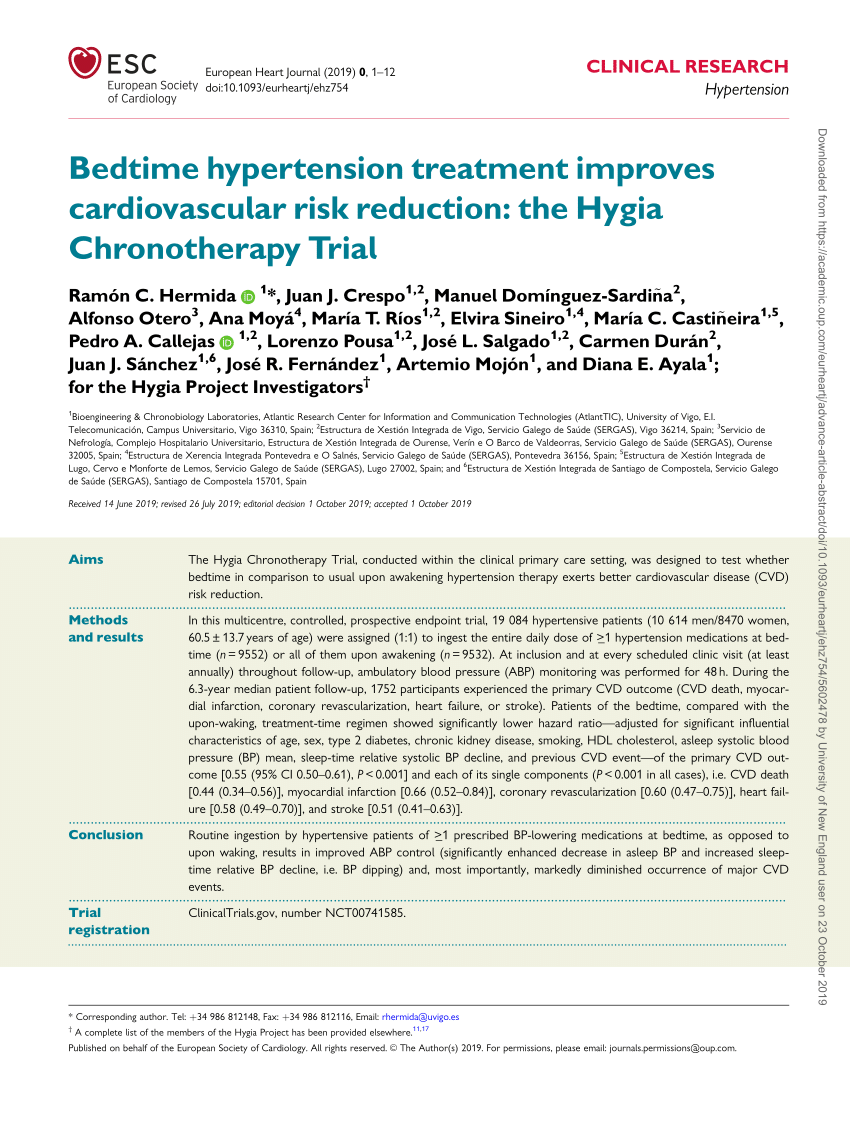
The debate surrounding optimal dosing time gained significant momentum following the publication of the Hygia Chronotherapy Trial. This large-scale study, which followed over 19,000 patients, suggested that patients who took their entire daily regimen of blood pressure medication at bedtime showed a marked reduction in the risk of major cardiovascular events compared to those taking medication upon waking. The study indicated that bedtime dosing was more effective at reducing sleep-time blood pressure and restoring a healthy dipping pattern.
However, the medical community remains cautious. Subsequent studies, such as the TIME study published in The New England Journal of Medicine, found no significant difference in the risk of cardiovascular death, myocardial infarction, or stroke between morning and evening dosing groups. These conflicting results underscore the complexity of hypertension management and suggest that individual patient profiles—such as the specific class of medication prescribed and existing comorbidities—play a decisive role in treatment efficacy.
Clinical Considerations for Patients
Before altering a medication schedule, patients must consult their primary care physician or cardiologist. Hypertension is a chronic condition that requires a personalized approach. Changing the timing of a medication can lead to unintended consequences, including morning hypertension or symptomatic hypotension (dizziness or lightheadedness) if the medication’s effect wears off too early or is too potent during the night.
Physicians typically evaluate a patient’s 24-hour ambulatory blood pressure monitoring (ABPM) results to determine if they are a “dipper” or “non-dipper.” This diagnostic tool is the gold standard for assessing whether a patient might benefit from chronotherapy. If your doctor determines that your blood pressure is not adequately controlled at night, they may discuss adjusting your dosing schedule.
Factors Influencing Dosing Decisions
- Medication Half-Life: Some medications are formulated to be long-acting, while others have shorter durations that may not cover the full 24-hour cycle.
- Comorbidities: Conditions like chronic kidney disease or sleep apnea can disrupt normal blood pressure dipping, requiring specific pharmacological management.
- Adherence: The most effective time to take medication is the time the patient is most likely to remember. Consistency is paramount in hypertension control.
The World Health Organization notes that hypertension affects approximately 1.28 billion adults globally, yet many remain undiagnosed or undertreated. Whether you take your medication in the morning or at night, the primary goal remains the same: achieving consistent, target-range blood pressure readings throughout the entire 24-hour cycle.
Next Steps for Hypertension Management
Medical guidelines are continuously updated as new data emerges from large-scale clinical trials. The next major update in hypertension management protocols is expected to integrate more nuanced data on circadian rhythms and personalized medication timing. Patients should continue to monitor their blood pressure at home using calibrated devices and maintain a log of their readings to share with their healthcare provider at their next appointment.
If you have questions regarding your specific treatment plan, do not make changes based on general reports. Schedule a consultation with your physician to review your current medication regimen and determine if a shift in timing could benefit your long-term cardiovascular health. Share your thoughts or questions about managing hypertension in the comments section below.