
Modern medicine routinely tracks vital signs—blood pressure, heart rate, temperature, and respiration—to assess patient health, yet sleep remains conspicuously absent from the standard clinical diagnostic checklist. Despite growing evidence that sleep duration and quality are critical indicators of chronic illness, cognitive decline, and cardiovascular health, healthcare systems worldwide have yet to integrate formal sleep screening into primary care. This gap persists even as consumer wearable technology has made continuous sleep data widely accessible to patients, creating a disconnect between the data people collect at home and the care they receive in a clinical setting.
As a physician, I see this discrepancy daily. While we prioritize the measurement of physical markers that can be captured in a brief office visit, we overlook a behavioral and physiological state that occupies one-third of the human lifespan. The omission is not due to a lack of scientific consensus; rather, it stems from systemic barriers in medical workflow, reimbursement structures, and clinician training. When patients arrive with months of longitudinal sleep data from personal devices, the current healthcare infrastructure lacks the formal pathways to interpret or act upon those findings, leaving patients to navigate their own health outcomes without professional guidance.
The Clinical Evidence Linking Sleep to Chronic Disease
The argument for treating sleep as a vital sign is supported by a robust body of research linking nocturnal patterns to long-term health outcomes. According to a 2025 umbrella review published in The Lancet Regional Health, researchers analyzed 29 systematic reviews to confirm bidirectional, physiologically mediated links between sleep disturbances and a spectrum of conditions, including depression, anxiety, and various cardiometabolic disorders. The review highlights that the relationship is not merely correlational; sleep quality serves as a predictor for disease progression and mortality.

Recent technological advancements have further underscored the diagnostic potential of sleep data. Researchers at Stanford University have demonstrated that deep-learning models, such as SleepFM, can analyze single-night sleep studies to identify risks across 130 distinct disease categories, including heart failure, dementia, and myocardial infarction, with significant accuracy. Furthermore, a study published by researchers at Washington State University in Nature and Science of Sleep provides the most comprehensive, long-term objective description of chronic insomnia to date. By tracking participants for eight weeks, the team identified that night-to-night variability in sleep efficiency and latency is a defining feature of the condition—a pattern that traditional, single-night laboratory sleep studies consistently fail to capture.
The Diagnostic Gap in Primary Care
The failure to screen for sleep disorders at the primary care level is particularly concerning given the global prevalence of treatable conditions. Obstructive sleep apnea (OSA) is estimated to affect approximately 960 million people worldwide, yet research indicates that up to 80% of moderate-to-severe cases remain undiagnosed, as reported by the Lancet Respiratory Medicine. Similarly, chronic insomnia affects an estimated 800 million individuals globally, contributing to increased risks of workplace injury, motor vehicle accidents, and cardiovascular disease.

Despite the American College of Physicians recommending cognitive behavioral therapy for insomnia (CBT-I) as a first-line treatment since 2016, most patients never access this care. The primary barrier is not a lack of treatment options but a lack of identification. Because routine primary care visits do not include standardized sleep screening, clinicians often fail to uncover the underlying disorders that drive downstream health issues. Without a formal protocol to inquire about sleep quality, these conditions remain hidden until they manifest as more severe, costly medical emergencies.
The Rise of Consumer Health Technology
As the clinical system has remained stagnant, consumer technology has filled the void. Millions of individuals now use wearables, smartphone applications, and bedside sensors to track their rest, making sleep feel “countable” and actionable. This shift has empowered patients to take a more active role in their health, but it has also created a new set of challenges for providers. When a patient presents a six-month trend of declining deep sleep or increased nighttime awakenings, most primary care practices are not equipped to process this data.
The limitations are three-fold:
- Workflow: Most electronic health record (EHR) systems are not designed to ingest data from consumer devices.
- Training: Few medical school curricula or residency programs provide sufficient training on the interpretation of longitudinal sleep data.
- Reimbursement: Current insurance models rarely compensate physicians for the time required to review and interpret data generated outside of a clinic or laboratory.
These structural issues mean that patients are effectively performing their own clinical interpretation, often relying on wellness content that lacks medical validation.
Integrating Sleep into Modern Medical Practice
Transitioning sleep from a conversational “side note” to a formal vital sign requires a multi-faceted operational shift. First, healthcare systems must integrate validated, non-invasive sleep measurement tools directly into primary care. The technology for smartphone-based or bedside sensor monitoring has reached a level of maturity where it can be benchmarked against traditional polysomnography, providing clinical-grade insights without the need for an overnight sleep lab.
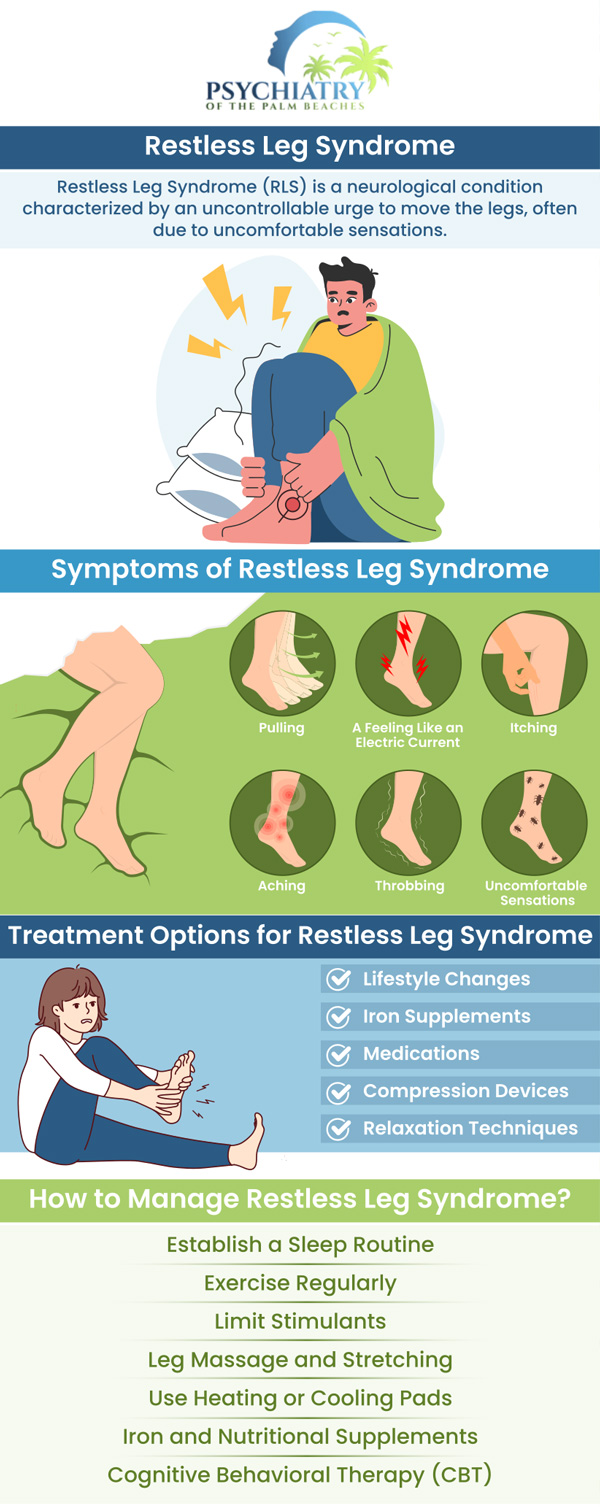
Second, we must prioritize consistent screening for the three most common, underdiagnosed disorders: obstructive sleep apnea, chronic insomnia, and Restless Legs Syndrome. This screening should not be limited to primary care but extended to high-risk departments, including cardiology, endocrinology, and mental health. Third, we need to expand the referral infrastructure. If a screening identifies a potential disorder, the patient must have a clear, accessible path to a sleep specialist or a behavioral clinician trained in CBT-I to prevent current bottlenecks in wait times.
Finally, medicine must move toward a model that treats patient-collected data as a legitimate clinical input. While the quality of consumer data varies, high-quality harmonization tools can help filter and interpret these signals, providing context for the clinician. When a patient arrives with months of self-tracked sleep data, they are providing a valuable longitudinal record that the system should be prepared to evaluate. The science is no longer the bottleneck; the challenge lies in the operational work of training clinicians, defending reimbursement for these services, and finally treating sleep with the same medical gravity we have afforded other vital signs for the past century.
Keep reading
- FUCAM Suffers Cyberattack: Breast Cancer Foundation Compromises Patient Data
- Energy Drink Risks: Health Warnings and the Dangers of Mixing with Coffee
- Why Museums Still Ban Your Camera Flash, Even Though It's Harmless (daybreakwire.com)
- The Vital Role of Local Commerce and Craftsmanship in Communities (world-today-news.com)