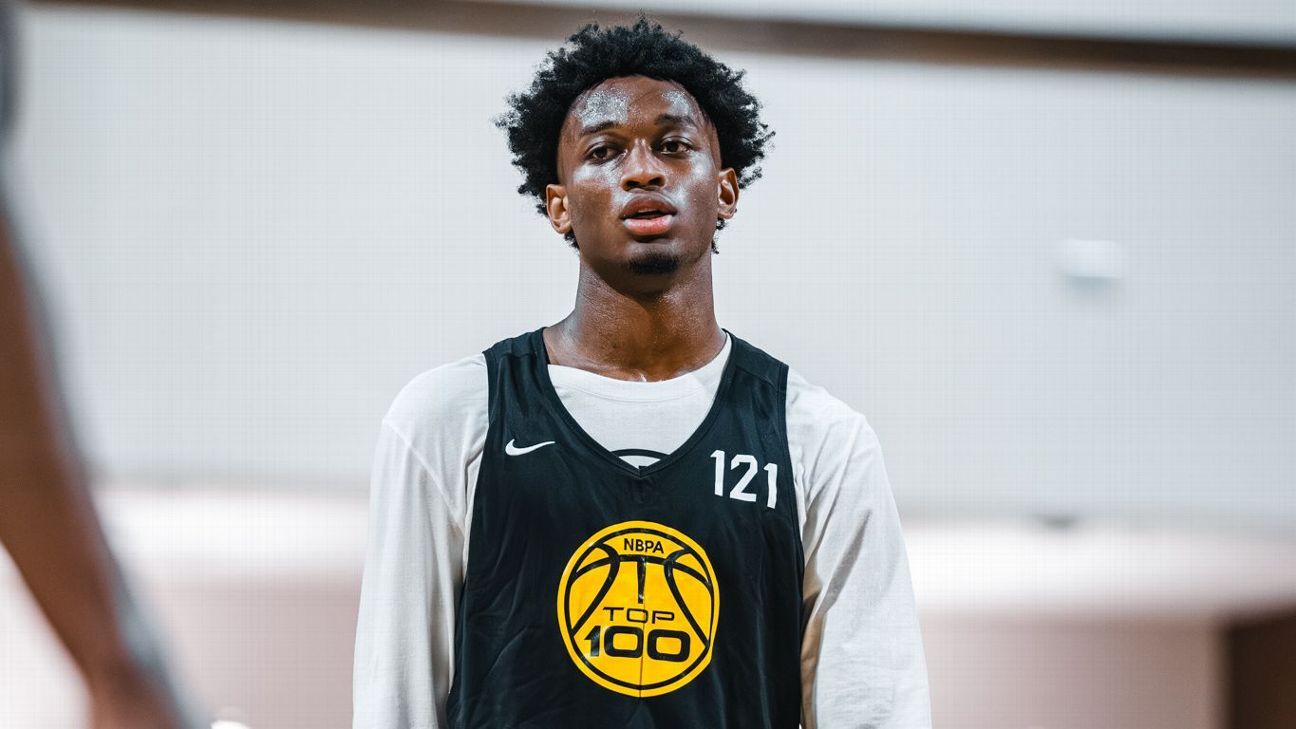
Ahmad Hudson, a standout high school athlete from Ruston, Louisiana, has committed to LSU with the stated intention of playing both football and basketball at the collegiate level. The dual-sport athlete, who is widely considered one of the most versatile recruits in the nation, has consistently maintained that he does not intend to choose between his two primary sports, a decision that challenges the traditional path of elite collegiate specialization.
According to recruiting profiles maintained by major sports outlets, Hudson has garnered significant attention for his physical profile and on-field production. As reported by 247Sports, Hudson is evaluated as a high-level prospect in both football and basketball, with his recruitment drawing interest from top-tier programs across the Southeastern Conference (SEC) and beyond. His commitment to LSU, a university with a history of supporting multi-sport athletes, marks a notable development in the landscape of modern college recruiting.
The Evolution of Dual-Sport Recruiting in the SEC
The decision to pursue two sports simultaneously at a Power Four institution is increasingly rare in an era where year-round training, specialized camps, and early enrollment have become the standard for elite prospects. Most collegiate programs require significant time commitments, often necessitating that athletes dedicate their off-seasons to strength and conditioning programs specific to a single sport. However, the precedent for dual-sport participation remains alive, particularly at institutions like LSU, which has historically accommodated athletes who excel in more than one discipline.
For Hudson, the ability to balance these demands is a central component of his recruitment. According to reports from Sports Illustrated, the coaching staffs at LSU have expressed openness to this arrangement. This flexibility is often contingent on the athlete’s ability to manage academic requirements alongside the rigorous schedules of two major collegiate sports, a challenge that requires close coordination between the football and basketball coaching departments.
Why Elite Athletes Choose Specialization Over Versatility
The trend toward single-sport specialization is largely driven by the physical toll of modern athletics and the demands of professional leagues. NCAA regulations allow for scholarship allocations that can cover both sports, but the logistical hurdles—such as overlapping practice schedules and travel commitments—often lead athletes to prioritize one sport by the time they reach their sophomore or junior seasons. According to data provided by the NCAA, scholarship limits and roster management rules vary by sport, making the integration of dual-sport athletes a complex administrative task for athletic directors.

Despite these challenges, athletes like Hudson argue that the skills developed in one sport often translate to success in the other. Basketball provides lateral quickness and explosive jumping ability, while football builds the physical durability and contact tolerance required for high-level competition. By maintaining both, Hudson aims to maximize his developmental ceiling before transitioning to the professional ranks, where the window for peak performance is often narrow.
Logistical Challenges for Multi-Sport Collegiate Careers
The primary concern for any dual-sport athlete is the overlap of seasons. In the SEC, football concludes in the late fall or early winter with bowl games, while the college basketball season is in full swing by November. This creates an immediate conflict for any player attempting to participate in both programs simultaneously. Historically, universities have resolved this by allowing the athlete to join the basketball team following the conclusion of the football season, though this often results in missed training camp sessions and early-season games.

Furthermore, the physical recovery time required for football can be substantial. According to research published by the National Institutes of Health, the cumulative impact of contact sports on long-term health and athletic performance is a major consideration for coaching staffs. Coaches must balance the desire to utilize an elite athlete’s talents with the responsibility of managing their physical load to prevent injury. For a recruit like Hudson, the success of his dual-sport career will depend heavily on the strength and conditioning protocols established by LSU’s medical and athletic staff.
What Happens Next for the LSU Prospect
Ahmad Hudson remains focused on his final years of high school competition before transitioning to the collegiate level. His next major checkpoint will be the official National Letter of Intent (NLI) signing period, where he will formalize his commitment to LSU. Following his enrollment, the integration process will begin with the football program’s summer conditioning cycle, followed by an assessment of his readiness to contribute to the basketball team.

Fans and analysts will continue to monitor how Hudson manages these competing demands, as his journey serves as a case study for the viability of dual-sport participation in the modern NIL era. For now, the focus remains on his high school performance and the continued development of his skill sets. We encourage readers to share their thoughts on the future of multi-sport athletes in the comments below, or join the ongoing discussion regarding the evolution of college recruiting.
Related reading