
Visa processing delays and restrictive entry requirements have emerged as significant hurdles for international participants and fans planning to attend the 2026 FIFA World Cup in the United States. As the tournament approaches, concerns regarding the consistency of U.S. immigration policies for athletes, officials, and ticket holders have prompted calls for clearer guidelines from organizers. According to reports from major international news outlets, the complexity of the visa process threatens to dampen the global enthusiasm traditionally associated with football’s premier event.
The 2026 tournament, which will be co-hosted by the United States, Canada, and Mexico, is set to be the largest in history with 48 teams participating. However, the logistical challenge of ensuring that all delegations receive timely entry authorization remains a primary focus for governing bodies. FIFA has historically maintained that all participants must be granted access to host countries, and the organization continues to work with local authorities to mitigate potential disruptions to tournament operations.
Visa Hurdles for Athletes and Officials
Recent reports highlight instances where key football personnel have encountered difficulties securing the necessary documentation to enter the United States. While the U.S. Department of State oversees all visa applications, the specific requirements for temporary visitors—including those traveling for sporting events—can vary depending on the applicant’s country of origin and current geopolitical relations. The U.S. government maintains a comprehensive visa information portal for those navigating these federal requirements.
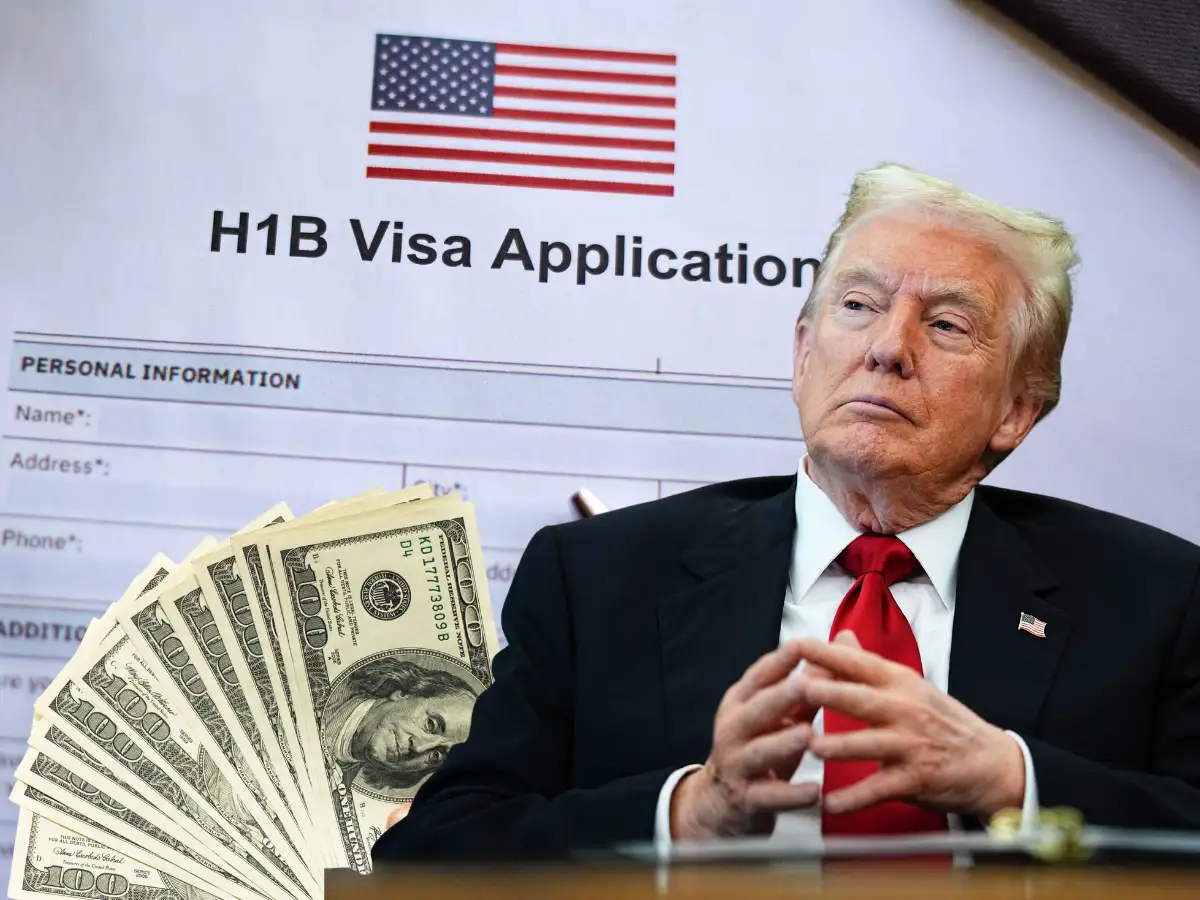
In cases where officials or athletes are denied entry, the logistical strain on tournament planning increases. FIFA has previously clarified its position on financial protections for match officials, confirming that it upholds contractual obligations even when individual entry issues arise. This ensures that the professional integrity of the officiating pool remains intact, despite the external pressures placed on the U.S. immigration system during large-scale international gatherings.
Historical Context and Regulatory Challenges
The United States has hosted international sporting events under stringent security protocols in the past, leading to ongoing debates about the balance between national security and the accessibility of global sports. Critics of current entry policies often point to the potential for bureaucratic delays to overshadow the inclusive spirit of the World Cup. According to the FIFA Council’s official documentation, maintaining an open and accessible environment is a stated priority for the 2026 host nations.
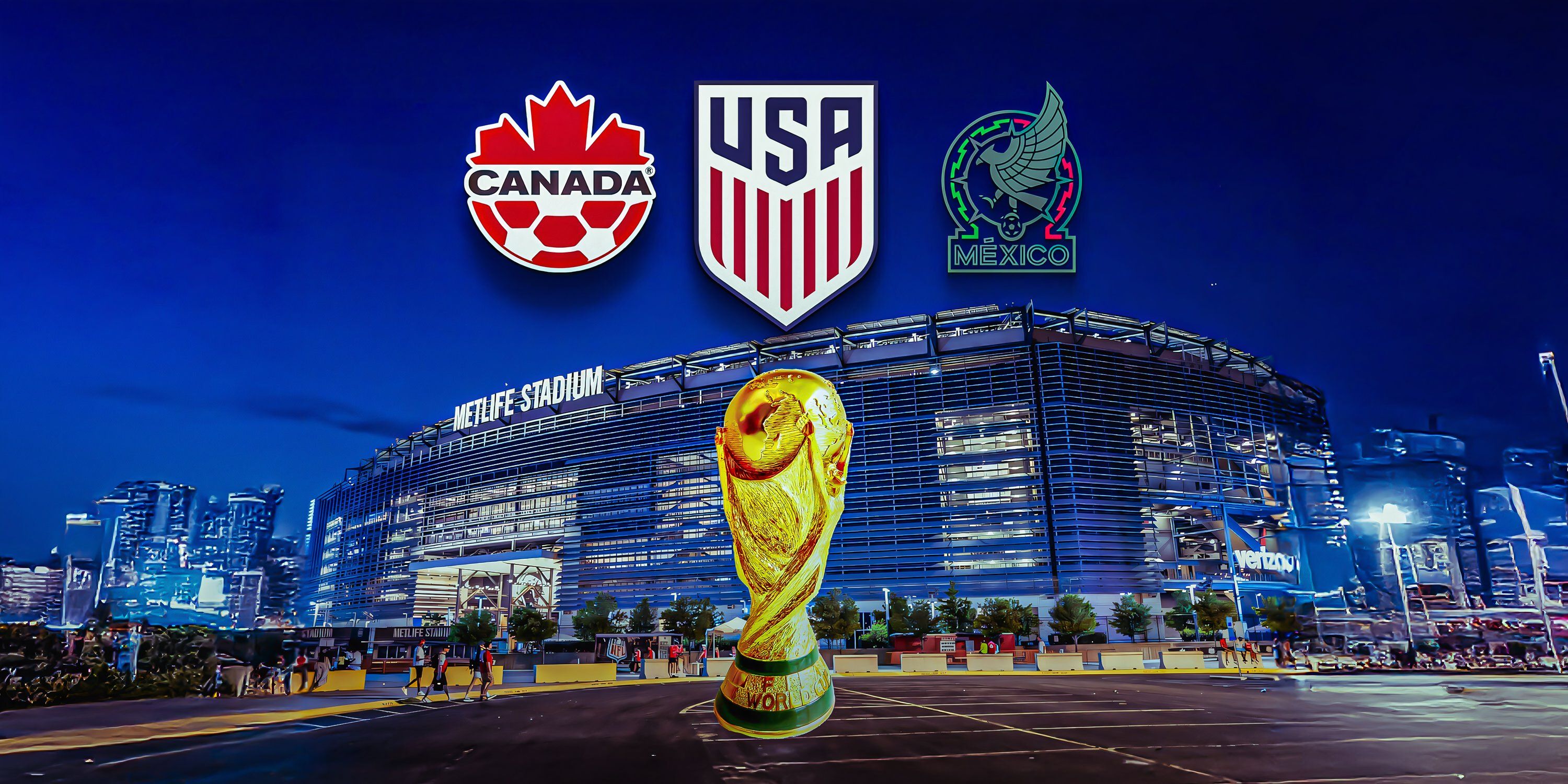
The complexity is further compounded by the scale of the 2026 event. With games spread across 16 cities in North America, the coordination between local immigration offices and international football federations is unprecedented. Observers note that while the U.S. has experience hosting major events like the 1994 World Cup and the 1996 Olympics, the modern regulatory environment involves more complex vetting procedures for travelers from certain regions.
Impact on Global Fan Attendance
Beyond the pitch, the ability of fans to travel is a critical component of the World Cup experience. Travel advisories and fluctuating visa wait times in various embassies have created uncertainty for supporter groups planning their travel itineraries. The U.S. embassy and consulate network provides official visa wait time estimates to assist international travelers in planning their applications well in advance of the tournament schedule.
For many international visitors, the cost and time required to obtain a non-immigrant visa represent a significant barrier to entry. While FIFA continues to negotiate with host governments to streamline these processes, the responsibility for individual visa approval remains exclusively with the sovereign host nation. This reality has led to public calls from various stakeholders for a simplified “tournament visa” or expedited processing for ticket holders, though no such official policy has been enacted by the U.S. federal government at this time.
Future Outlook and Coordination Efforts
As the countdown to the opening match continues, the focus remains on how the host nations will manage the influx of millions of visitors. FIFA and the host committees are expected to provide further updates regarding logistical support for international delegations in the coming months. The success of the 2026 World Cup will depend heavily on the efficiency of the administrative systems tasked with processing the massive volume of travel documentation required for such a global event.

The next major milestone for tournament logistics will be the release of finalized match schedules and the accompanying travel guidance for participating federations. Fans and stakeholders are encouraged to monitor official communications from FIFA.com and the U.S. Department of State for the most accurate information regarding travel requirements. We welcome readers to share their perspectives on this developing story in the comments section below.