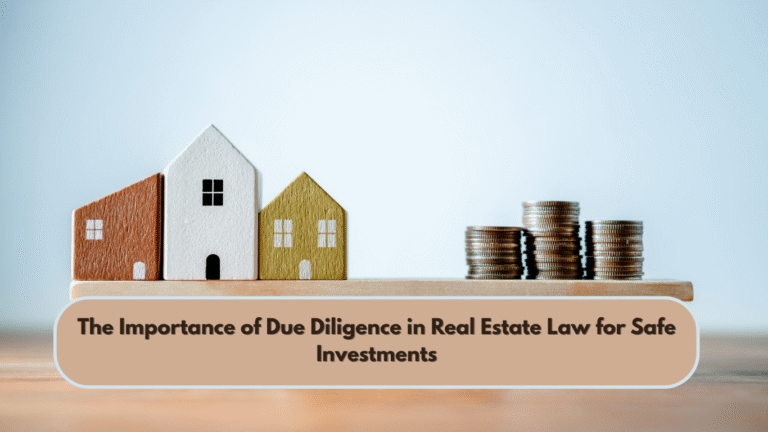
Investors and stakeholders in the construction finance sector are increasingly prioritizing rigorous due diligence and asset-backed security as market volatility persists. At the heart of this shift is a move toward transparent building finance products that rely on tangible project valuations and verifiable mortgage collateral. According to industry analysts, this movement reflects a broader trend among institutional and private investors who are seeking to mitigate risk by anchoring capital in real-world assets rather than speculative financial instruments.
The necessity for such structural integrity in finance is underscored by the current economic environment, where rising interest rates and fluctuating property values have complicated traditional lending models. Financial experts suggest that the integration of thorough due diligence processes—often involving independent audits of project viability and legal assessments of mortgage security—has become the standard for firms aiming to maintain investor confidence. This approach ensures that every financial product is backed by a concrete, measurable project, providing a buffer against market downturns.
Establishing Security Through Asset-Backed Financing
The core of modern construction finance relies on the principle of asset-backed security, where the primary collateral for a loan is the underlying property or project itself. By prioritizing real projects over unsecured credit, lenders can provide a clearer picture of risk to their investors. The Basel Committee on Banking Supervision has long emphasized that effective risk management in lending requires a deep understanding of collateral quality and the legal enforceability of mortgage claims, which remains the bedrock of stable financial product design.
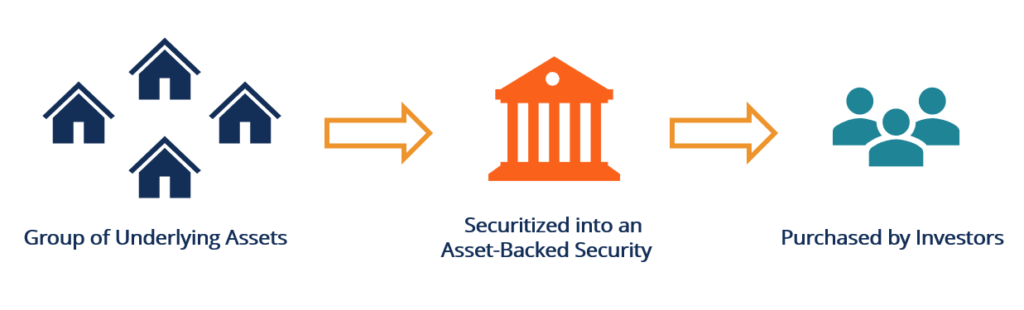
Due diligence in this context is not merely a procedural formality but a critical defense mechanism. It involves verifying the legal status of the land, the financial health of the developers, and the realistic projection of the project’s completion timeline. When a financial product is structured with these safeguards, it offers a level of stability that is attractive to risk-averse portfolios. By tying the mortgage directly to the real-world project, investors gain a sense of control, as they can monitor the physical and financial progress of the construction through documented milestones.
The Role of Rigorous Due Diligence
Effective due diligence serves as the primary filter for high-quality investment opportunities. For construction projects, this process typically involves a multi-layered review system. First, legal teams assess the title and zoning regulations to ensure the project is viable. Second, financial analysts review the budget and the developer’s track record to gauge the likelihood of success. Finally, technical experts inspect the project plans to confirm that the proposed budget aligns with real-world construction costs.

According to reports from the International Monetary Fund regarding global financial stability, the transparency of these processes is essential for preventing systemic risks in the real estate sector. When lenders fail to conduct sufficient due diligence, the resulting information asymmetry can lead to over-leveraging and eventual defaults, which negatively impact the entire market. Therefore, the adoption of strict validation protocols is a necessary evolution for firms operating in the current global economic climate.
Market Trends and Investor Expectations
Investors are no longer satisfied with general promises of return; they require detailed insights into how their capital is being deployed. This shift has forced financial institutions to become more transparent about their lending products. The demand for “real project” backing has created a competitive advantage for firms that can demonstrate a clear, traceable link between their financial products and the physical construction site.

As outlined by the Organization for Economic Co-operation and Development (OECD), institutional investors are increasingly looking for long-term, stable assets that provide inflation protection. Real estate construction, when properly managed and secured by mortgages, fits these criteria well. The challenge remains for developers and lenders to communicate these complexities in a way that is accessible to a wider range of stakeholders, ensuring that the benefits of asset-backed finance are clearly understood.
What Happens Next in Construction Finance
Looking forward, the sector is expected to see increased regulatory scrutiny regarding how construction finance products are marketed and managed. As financial technology continues to evolve, the ability to provide real-time updates on project status and collateral health will likely become a requirement rather than a value-add. Market participants should monitor upcoming filings and regulatory updates from financial authorities, such as the Financial Conduct Authority (FCA) in the United Kingdom and similar bodies globally, which continue to set the standards for consumer and investor protection.

The path forward involves a continued commitment to transparency and the rigorous application of due diligence. For those involved in the construction and finance sectors, staying informed through official channels and verified industry reporting remains the most effective strategy for managing risk in an unpredictable market. We encourage our readers to share their thoughts on the evolution of asset-backed finance and how these changes are impacting their own investment strategies in the comments section below.