
The recent international screenings of the film Letters to Grandma (给阿嬷的情书) have sparked significant discussion among overseas Chinese communities, particularly in Malaysia, regarding the preservation of cultural heritage and the emotional resonance of family history. The film’s narrative, which centers on the intimate bonds between generations, has resonated with diaspora audiences who view the work as a reflection of their own experiences with ancestral traditions and cultural identity.
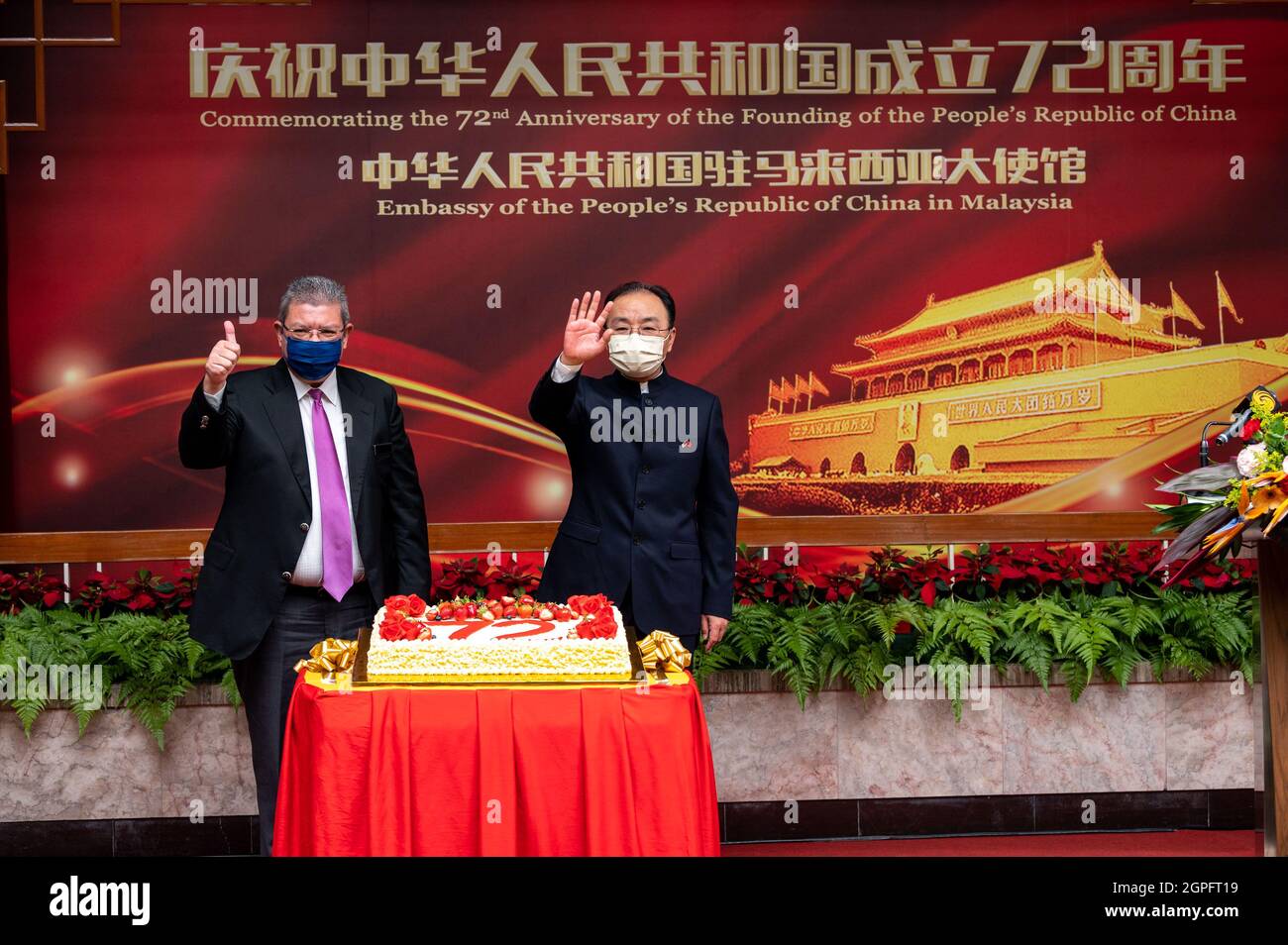
According to official reports from the Ministry of Foreign Affairs of the People’s Republic of China, the special screening event held in Kuala Lumpur was attended by Chinese Ambassador to Malaysia Ouyang Yujing. The event highlighted the role of cinema in fostering connections between local Chinese populations and their cultural roots, serving as a catalyst for conversations about the “cultural nostalgia” that often characterizes the experience of the diaspora in Southeast Asia.
Cultural Resonance in the Southeast Asian Diaspora
The popularity of Letters to Grandma within Malaysia has been attributed to its focus on universal themes of filial piety and the passage of time, which align closely with the values held by many Malaysian Chinese families. Media outlets, including China Daily, have noted that the film’s ability to evoke “cultural nostalgia” is a primary driver of its reception. The narrative serves as a bridge, allowing younger generations of overseas Chinese to engage with the lived realities and historical contexts of their forebears.
This reception is not limited to Malaysia; the film has become a focal point of cultural exchange discussions. By examining the domestic and international responses to the film, it becomes clear that the work serves as more than entertainment. It functions as a medium for identity reinforcement. While some regional media discussions have focused on the specific cultural nuances of the film, the overarching trend observed by observers is a collective effort to maintain a connection to ancestral heritage through contemporary storytelling.
The Role of Diplomatic and Cultural Exchange
Government-backed screenings, such as the one attended by Ambassador Ouyang, underscore the importance placed on cultural diplomacy. By facilitating access to such films, official bodies aim to strengthen the bonds between China and the overseas Chinese community. For communities in regions like Zhaoqing and Sihui, reports indicate that viewers have expressed a profound sense of recognition when watching the film, noting that the depiction of “Ah Ma” (Grandma) mirrors the matriarchal figures in their own households who held family traditions together.
This dynamic is supported by broader trends in regional cultural engagement. As noted in reports from the Guangdong Federation of Returned Overseas Chinese, the feedback from diaspora members often emphasizes the importance of these films in ensuring that traditional values—such as respect for elders and the importance of family lineage—are not lost as communities integrate into their respective host countries.
Comparative Perspectives on Regional Reception
The reception of the film has varied across different regional media landscapes, highlighting the diverse ways in which the overseas Chinese community engages with media from mainland China. In Malaysia, the response has been largely characterized by a sense of shared cultural identity. Conversely, discussions in other regional media outlets have sometimes focused on the sociopolitical implications of the film’s popularity, reflecting the complex, multi-faceted nature of the global Chinese diaspora.
Analysts suggest that the “pre-release heat” (未映先热) observed in Malaysia—a term frequently cited in coverage by outlets such as Xinhua News Agency—is indicative of a high demand for content that validates the diaspora experience. Unlike mainstream commercial cinema, which often prioritizes globalized tropes, Letters to Grandma relies on specific, localized emotional triggers that resonate deeply with those living outside their ancestral provinces.
Understanding the Cultural Impact
For those interested in the ongoing dialogue surrounding Letters to Grandma, the following points summarize its current cultural impact:
- Cultural Nostalgia: The film acts as a symbolic link for overseas Chinese to reconnect with the traditions and emotional landscapes of their ancestors.
- Diplomatic Engagement: Official presence at screenings signals the importance of cultural soft power in maintaining ties with the diaspora.
- Intergenerational Value: The film is frequently cited as a tool for teaching younger generations about the history and familial structures of their heritage.
As the film continues to be screened across various international venues, the conversation is expected to evolve from simple reception to a broader academic and social inquiry into how diaspora communities use digital and cinematic media to define their place in a globalized world. Future updates regarding official screenings and community responses will likely be documented through the relevant cultural bureaus and local Chinese associations.
Readers are encouraged to share their experiences or observations regarding how cultural cinema influences their own communities in the comments section below. As an editor with over 13 years of experience in international sports and culture reporting, I find these intersections of tradition and modern media to be essential markers of how our global society preserves its history.
Worth a look