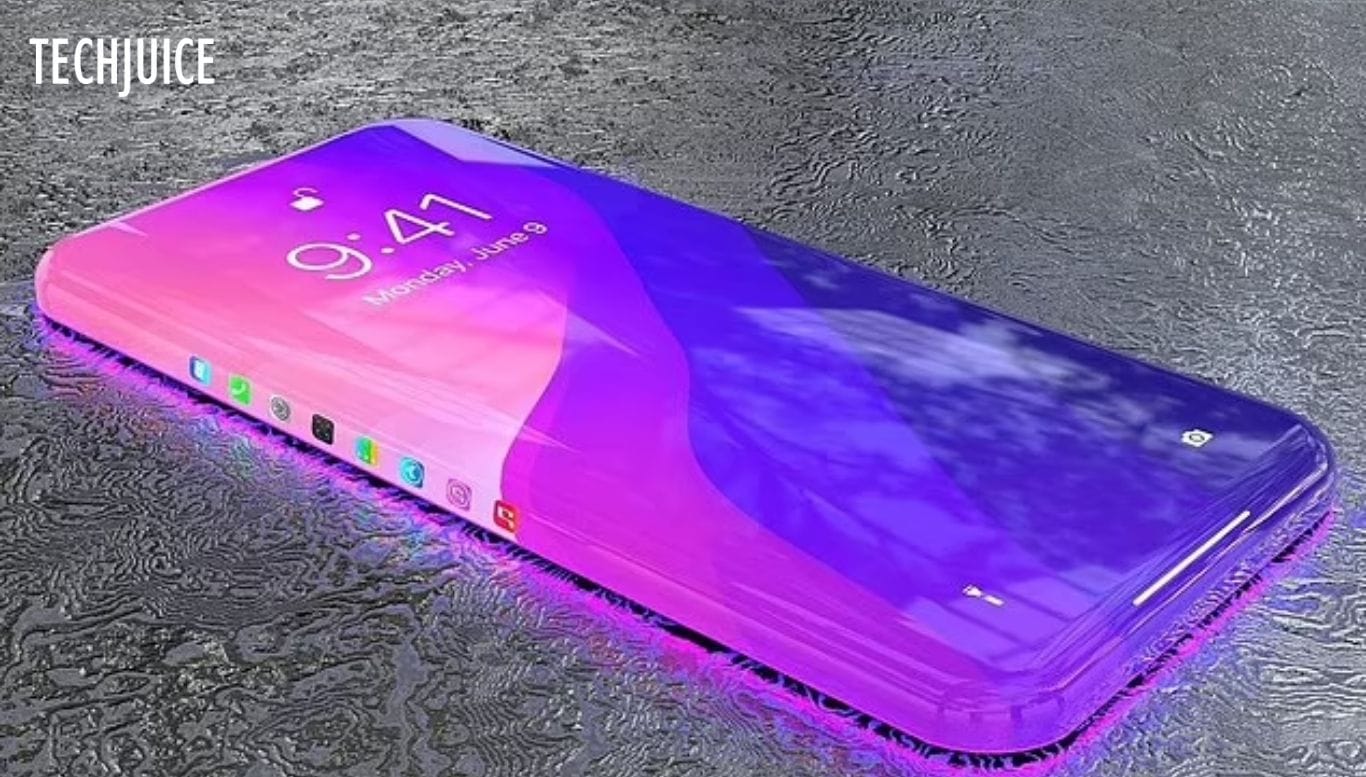
Apple is reportedly developing a second-generation “iPhone Air” model slated for a spring 2027 release to coincide with the 20th anniversary of the original iPhone. According to various industry reports and design leaks, the device may feature a radical, buttonless architecture constructed primarily from a single piece of glass. While Apple has not officially confirmed these specifications, the rumors suggest a significant shift in the company’s hardware design language.
The projected launch in 2027 marks two decades since the debut of the first iPhone in 2007. This milestone is expected to drive a major hardware refresh, potentially moving away from the traditional chassis-and-button assembly toward a more seamless, monolithic aesthetic. The “iPhone Air” branding, if utilized, would likely follow a trend of ultra-slim, premium devices intended to sit between the standard and Pro lineups.
What are the rumored specifications for the 2027 iPhone Air?
Industry leaks suggest that the 2027 iPhone Air will prioritize extreme thinness and a minimalist aesthetic. The most prominent rumor involves a “glass-only” construction, where the device appears as a continuous, seamless piece of material. This design would likely eliminate physical buttons in favor of solid-state haptic surfaces that simulate the feel of a click through vibration technology.
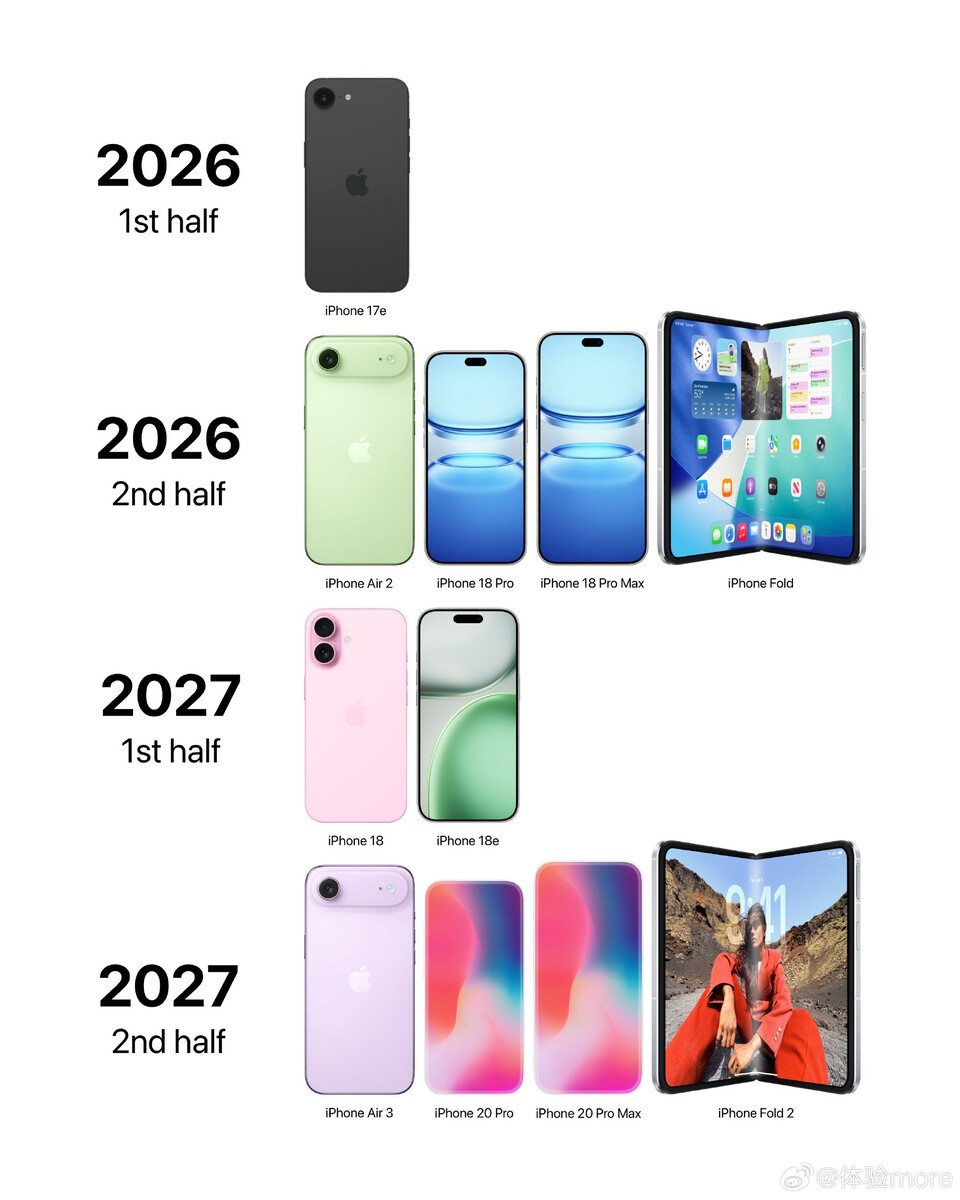
Key rumored design elements include:
- Buttonless Interface: The removal of physical volume and power buttons, replaced by capacitive or haptic touch zones.
- Monolithic Glass Build: A chassis designed to look and feel like a single, unified piece of glass.
- Ultra-Slim Profile: A form factor significantly thinner than current iPhone Pro or standard models.
- Seamless Integration: A reduction in visible seams between the display and the body of the device.
While these features promise a futuristic appearance, they present significant engineering hurdles. Transitioning to an all-glass body requires advancements in glass durability to prevent shattering and improvements in internal component density to accommodate the slim profile without sacrificing battery life or thermal management.
Why is Apple targeting 2027 for this hardware shift?
The timing of the iPhone Air’s release aligns with the 20th anniversary of the iPhone, a landmark event for Apple’s mobile division. Historically, Apple uses major anniversaries to introduce “reset” designs that redefine the product category. For example, the transition from physical keyboards to multi-touch screens in 2007 fundamentally changed the smartphone industry.
Furthermore, the rumors of a 2027 “second-generation” model imply that Apple may first introduce a precursor model—often referred to in supply chain circles as the “iPhone 17 Slim” or a first-generation “Air”—in 2025. This would allow the company to test the market’s appetite for ultra-thin hardware before committing to the more radical, buttonless glass design projected for the 2027 anniversary.
Technical challenges of an all-glass, buttonless design
Moving toward a device that is essentially a “flying piece of glass,” as some reports descriptively frame it, involves complex trade-offs in telecommunications and structural integrity. Engineers must address several critical areas to make such a device viable for global consumers:
Signal Interference: Traditional metal frames often act as antennas for cellular, Wi-Fi, and Bluetooth signals. An all-glass device requires sophisticated antenna placement, likely integrated into the glass itself or utilizing specialized materials that do not block radio frequency (RF) waves.
Haptic Feedback vs. Physical Buttons: Without physical moving parts, Apple must rely heavily on its Taptic Engine to provide user feedback. While current iPhones use haptics for certain interactions, a buttonless device would require a much higher level of precision to ensure users can intuitively control volume and power without visual cues.
Durability and Repairability: A monolithic glass design presents challenges for both drop resistance and consumer repairability. While specialized glass chemistries like Ceramic Shield have improved durability, a single-piece construction makes it harder to replace individual components without replacing the entire chassis.
Comparison: Current iPhone Design vs. Rumored iPhone Air
| Feature | Current iPhone Models (Standard/Pro) | Rumored 2027 iPhone Air |
|---|---|---|
| Primary Material | Aluminum or Titanium frame with glass back | Unified glass-centric construction |
| Physical Buttons | Yes (Volume, Power, Action Button) | No (Haptic/Capacitive surfaces) |
| Form Factor | Traditional thickness with defined edges | Ultra-slim, seamless profile |
| Design Philosophy | Functional modularity | Minimalist monolith |
How the iPhone Air fits into the broader Apple ecosystem
The introduction of an “Air” model would likely signal a diversification of the iPhone lineup. Much like the MacBook Air redefined the laptop market by prioritizing portability and design over raw processing power, the iPhone Air would target consumers who value aesthetics and ergonomics over the heavy-duty specifications found in the “Pro” series.

This strategy allows Apple to capture different market segments: the Pro models for power users and creators, and the Air models for lifestyle-oriented users who desire a device that is lightweight and visually striking. This tiered approach has been successful in Apple’s iPad and Mac lineups, and expanding it to the iPhone could maximize market reach during the high-stakes 20th-anniversary year.
Key Takeaways:
- Apple is reportedly working on a second-generation iPhone Air for Spring 2027.
- The device may feature a buttonless, all-glass design to mark the iPhone’s 20th anniversary.
- Engineering challenges include signal interference, haptic precision, and structural durability.
- The model is expected to target a segment of the market prioritizing slimness and design over “Pro” performance.
Frequently Asked Questions
When will the iPhone Air be released?
Current rumors point to a Spring 2027 release, though Apple has not confirmed any specific dates.
Will the iPhone Air have physical buttons?
Reports suggest the device may move toward a buttonless design using haptic feedback technology instead of mechanical buttons.
Is the iPhone Air a replacement for the Pro models?
It is unlikely to replace the Pro models; instead, it appears to be a new category focused on ultra-slim design, similar to the MacBook Air.
The next official window for Apple hardware updates will be during the typical iPhone launch cycle in September 2025, where rumors regarding the initial “slim” or “Air” prototype models are expected to intensify. We will continue to monitor official Apple filings and supply chain reports for confirmed developments.
What do you think about a buttonless, all-glass iPhone? Would you trade physical buttons for a sleeker design? Let us know in the comments below and share this article with your fellow tech enthusiasts.
Keep reading