
Modern wearable technology is undergoing a significant transition, as major manufacturers shift their focus from simple activity tracking to complex health diagnostics. Recent industry evaluations indicate that while companies like Apple and Google continue to dominate the market, their approaches to biometric data—specifically regarding sleep analysis and physical activity—reveal distinct engineering priorities and occasional performance inconsistencies, according to official technical documentation from Apple and recent updates from Google’s product teams.
For consumers, this means that the reliability of a “sleep score” or a “daily step count” often depends on the underlying sensor integration and proprietary algorithms unique to each ecosystem. As the industry moves toward deeper medical-grade insights, the disparity between hardware capability and software interpretation has become a central point of scrutiny for tech analysts and health professionals alike.
The Evolution of Sleep Tracking Accuracy
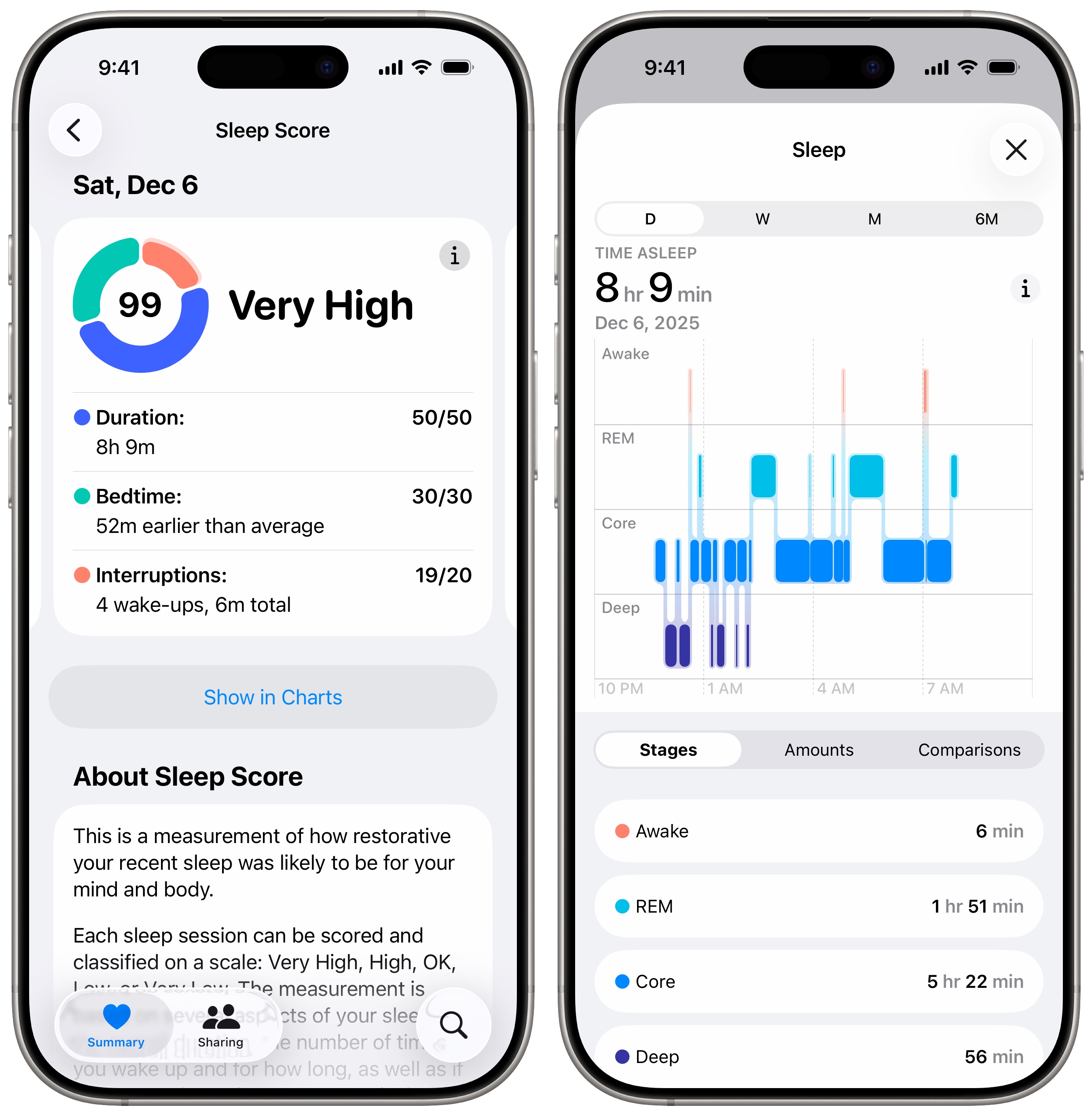
Sleep monitoring has become a cornerstone feature for modern smartwatches, yet the methodology behind these metrics remains a subject of debate. Apple, through its implementation in watchOS, provides extensive data on sleep stages and respiratory rates. However, independent testing has highlighted that the “sleep score” provided by these devices can sometimes struggle with accuracy during periods of wakefulness or restless sleep, leading to potential discrepancies in user perception versus clinical reality, as noted in Apple’s user health guidance.
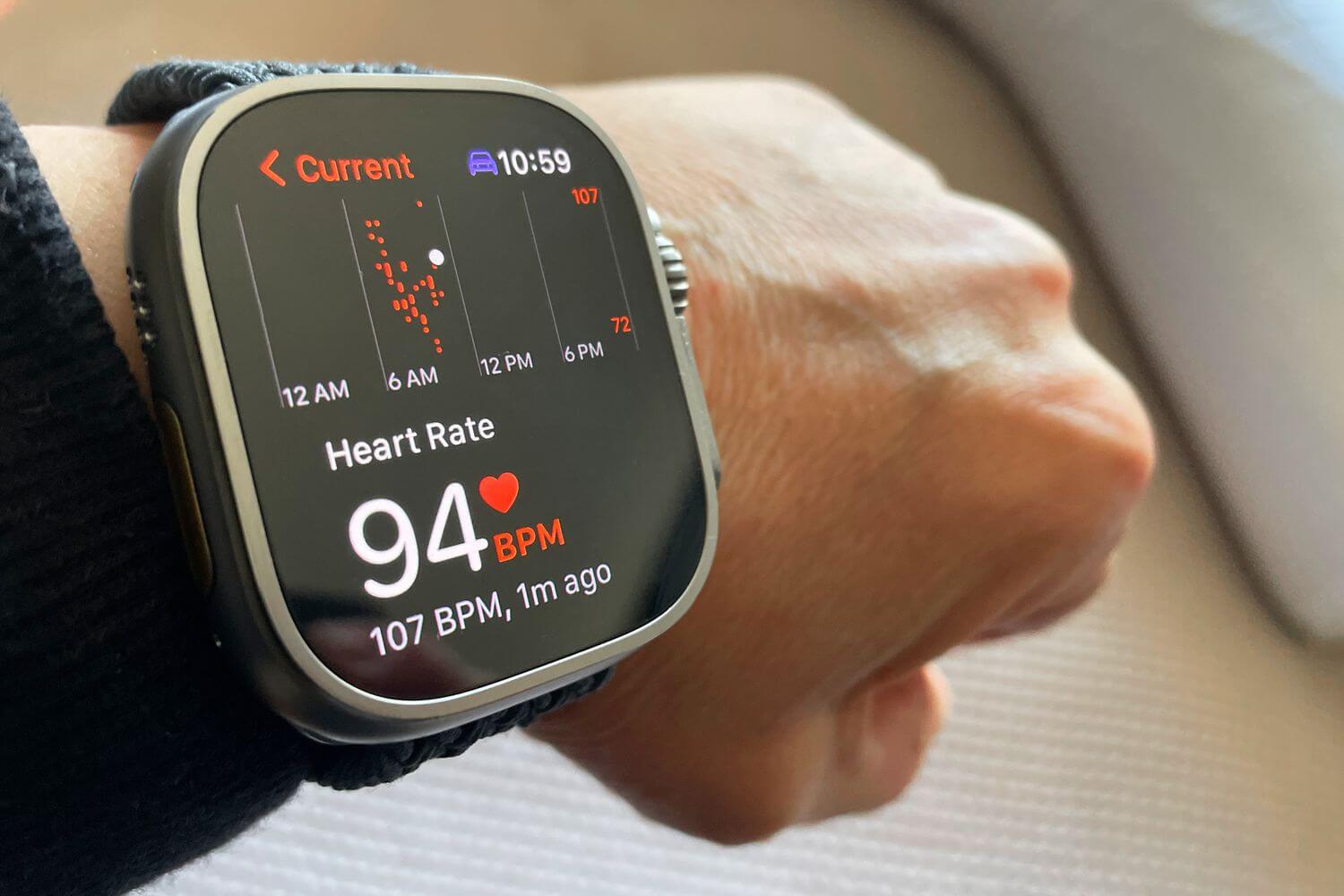
The core challenge for engineers lies in the signal processing of heart rate variability (HRV) and accelerometer data. When a device misidentifies a period of quiet movement as sleep, the resulting aggregate score can be misleading. While Apple continues to refine its algorithms through machine learning, the company emphasizes that these tools are intended for wellness insights rather than definitive medical diagnoses, a position consistent with its regulatory health disclaimers.
Beyond the Step Count: Google’s Shift in Focus
While early fitness trackers were defined by the “10,000 steps” benchmark, Google has moved to integrate more holistic health metrics into its Pixel Watch series. By prioritizing “Daily Readiness” and “Cardio Load” scores, the company is attempting to pivot the conversation away from simple movement tallies toward a more comprehensive view of physical strain and recovery, according to Fitbit’s official methodology documentation.
This shift reflects a broader industry trend where total step volume is increasingly viewed as an incomplete metric for health. By incorporating resting heart rate, sleep quality, and recent activity intensity, Google’s software ecosystem aims to inform users whether they should push their physical limits or prioritize rest. This approach, supported by the integration of Fitbit’s extensive health database, represents a significant departure from the legacy obsession with step-counting as the primary indicator of fitness.
Technical Comparison: How Data Interpretation Varies
The divergence in strategy between these two tech giants offers a clear view of the current landscape for wearable users. Apple tends to focus on seamless ecosystem integration and long-term trends, while Google (via Fitbit) leverages deep biometric modeling to provide actionable recovery advice. The following table illustrates the primary focus areas for current-generation flagship wearables:
| Feature | Apple Watch (Series 10/Ultra) | Google Pixel Watch (3) |
|---|---|---|
| Primary Health Metric | Comprehensive Trends/Vitals | Daily Readiness/Recovery |
| Sensor Priority | ECG/Blood Oxygen/Temperature | Heart Rate/Strain/Sleep Stages |
| User Focus | Wellness/General Fitness | Recovery/Activity Optimization |
These differences are not merely cosmetic; they influence how users interact with their devices daily. A user prioritizing heart health and long-term trend analysis may find the Apple ecosystem more robust, whereas an athlete focused on training load management might find the Google/Fitbit metrics more directly applicable to their specific routine, as analyzed in recent industry assessments regarding wearable utility.
What Happens Next for Wearable Health
The next phase of development for smartwatches involves improved sensors for non-invasive blood pressure monitoring and continuous glucose monitoring (CGM). While these features remain in the research and development pipeline for most major manufacturers, the regulatory pathway—specifically through the FDA—remains a significant hurdle for any technology claiming medical-grade precision. Users should expect continued iterations on software accuracy, with companies likely releasing frequent firmware updates to address the current limitations in sleep and activity tracking algorithms.

As these devices become more sophisticated, the responsibility for verifying health data remains shared between the manufacturer and the user. It is essential for consumers to review official product documentation and consult with healthcare providers before making significant lifestyle changes based on wearable data. For ongoing updates regarding software feature rollouts and regulatory approvals, interested parties can monitor the FDA’s Digital Health Center of Excellence for the latest policy guidance.
Have you noticed inconsistencies in your device’s health tracking? Share your experiences in the comments section below and join the discussion on the future of wearable diagnostics.
Related reading