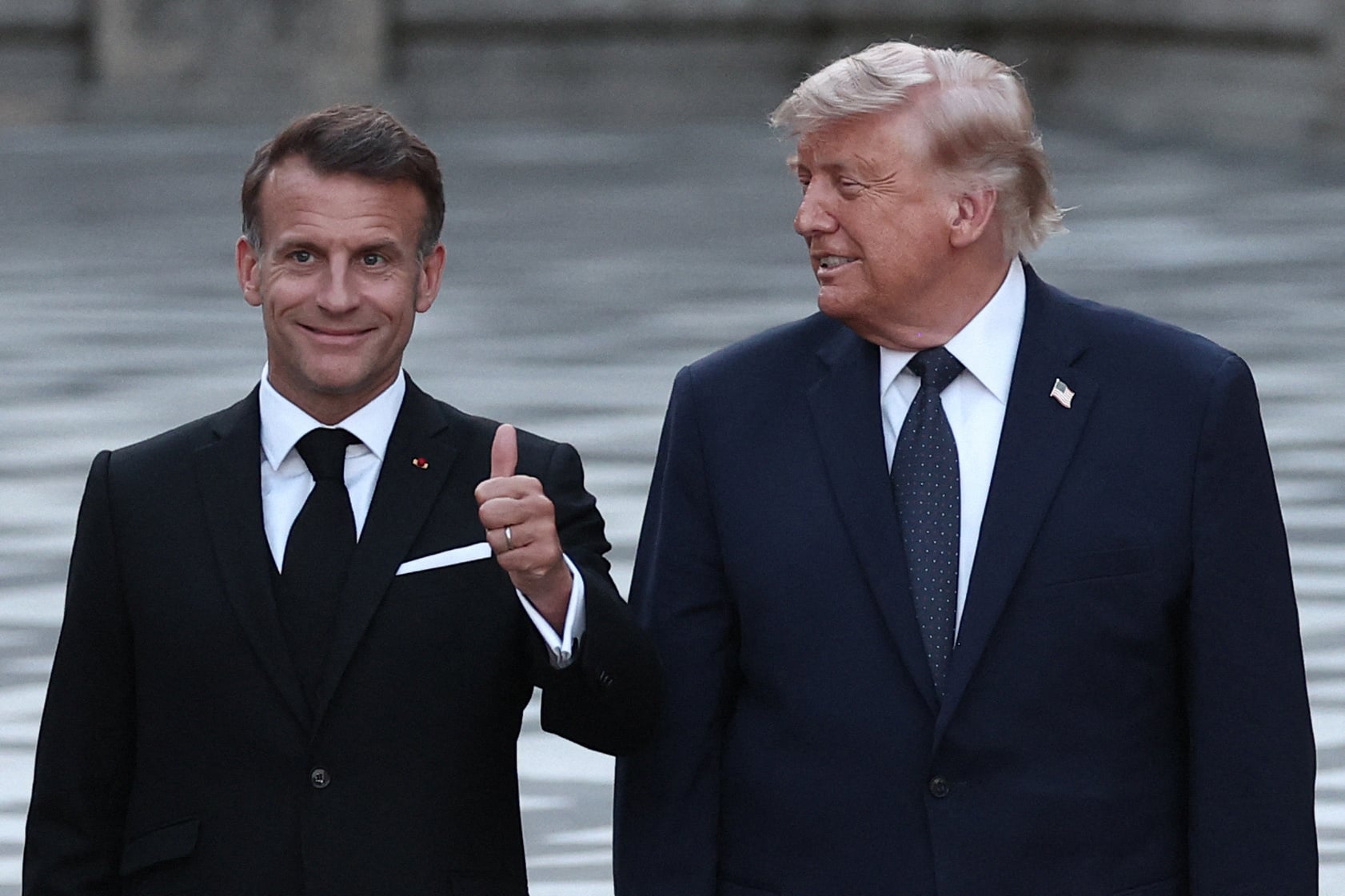
Reports from Thai media outlets suggest a potential diplomatic breakthrough between the United States and Iran via a digitally signed memorandum of understanding (MOU) intended to de-escalate Middle East tensions. While these reports claim an agreement has been reached to end regional conflict, official confirmation from Washington or Tehran remains outstanding, and maritime tensions in the Strait of Hormuz persist despite the reported diplomatic progress.
Claims of a Digital Memorandum of Understanding
According to reports from Southeast Asian news agencies, including Thairath and Thai Post, a memorandum of understanding (MOU) between the United States and Iran has reportedly been finalized. The reports claim that both parties completed the signing process through a digital platform, marking a significant, albeit unverified, shift in the geopolitical landscape of the Middle East.
The reported agreement is described by these outlets as a step toward ending active hostilities in the region. However, major international news organizations and official government spokespersons from the U.S. State Department and the Iranian Ministry of Foreign Affairs have not issued statements confirming the existence or the specific terms of such a digital MOU. In international diplomacy, the transition from a memorandum of understanding to a formal, binding treaty typically requires extensive legislative oversight and public verification, processes that have not yet been observed in this instance.
The nature of a “digital signature” for a high-stakes geopolitical agreement is also a point of scrutiny. While digital protocols are increasingly used for administrative functions, the signing of major international security frameworks traditionally involves physical presence or highly formalized diplomatic exchanges to ensure legitimacy and prevent disputes over the document’s integrity.
Nuclear Proliferation and the Terms of De-escalation
A central pillar of any potential agreement between the United States and Iran involves the nation’s nuclear program. Recent reports from LINE TODAY and Sapa FM91 indicate that the core of the discussion revolves around preventing Iran from obtaining nuclear weapons.
Donald Trump has maintained a consistent public stance regarding Iranian nuclear ambitions. During his political campaigns and subsequent policy discussions, he has asserted that the United States will not allow Iran to possess nuclear capabilities. The reported MOU, if validated, would likely need to address several critical technical areas to be considered effective by the international community, including:
- Uranium Enrichment Levels: Setting strict limits on the concentration of enriched uranium.
- Inspection Protocols: Establishing clear mandates for the International Atomic Energy Agency (IAEA) to conduct unannounced inspections.
- Centrifuge Limitations: Regulating the number and type of centrifuges permitted for research and development.
- Monitoring Timelines: Defining the duration of oversight to ensure long-term compliance.
The success of any such agreement depends on the ability of both nations to move beyond previous frameworks, such as the Joint Comprehensive Plan of Action (JCPOA), which faced significant challenges regarding enforcement and compliance from multiple stakeholders.
Discrepancies in Maritime Security and the Strait of Hormuz
Despite the reports of a peace agreement, the physical reality on the ground—and at sea—presents a different picture. The BBC has reported on ongoing complexities regarding maritime security in the Strait of Hormuz, a critical global chokepoint through which approximately 20% of the world’s oil consumption passes.

While diplomatic channels may be communicating, naval vessels have not yet withdrawn from the area. Analysts suggest several reasons why maritime presence remains high despite the reported rapprochement:
- Verification Lag: Military forces often maintain “ready positions” until a diplomatic agreement is formally ratified and its implementation is verified by neutral observers.
- Security Buffers: The continued presence of naval assets serves as a deterrent against non-state actors or rogue elements that may not adhere to a central government’s diplomatic commitments.
- Operational Continuity: Maintaining patrols in the Strait of Hormuz is a standard procedure for ensuring the unhindered flow of global commerce, regardless of the current diplomatic climate.
The tension between reported diplomatic progress and continued military posturing highlights the volatility of Middle Eastern geopolitics, where news of a breakthrough can be quickly countered by tactical movements on the water.
Global Energy Markets and the Goldman Sachs Oil Forecast
The speculation surrounding a U.S.-Iran agreement has immediate implications for global energy markets. Investors and economists are closely monitoring how a potential reduction in regional conflict might impact the supply and price of crude oil.
In a related economic development, Investing.com reports that Goldman Sachs has adjusted its forecast for Brent crude oil prices. The financial institution has lowered its expectations for Brent oil from $90 per barrel to $80 per barrel. This downward revision is attributed to several factors, primarily a warning regarding weakening consumer spending and a potential slowdown in global demand.
If a formal peace agreement between the U.S. and Iran were to be realized, it could lead to a “peace dividend” in the energy sector by reducing the “geopolitical risk premium” currently baked into oil prices. A more stable Middle East typically correlates with more predictable supply chains and lower volatility in the energy markets. However, the current Goldman Sachs forecast suggests that macroeconomic headwinds, such as consumer demand, may exert more downward pressure on prices than geopolitical tensions are currently providing upward pressure.
Key Comparison: Reported Claims vs. Verified Realities
| Issue | Reported Claim (Thai Media) | Verified/Official Status |
|---|---|---|
| Agreement Type | Digitally signed MOU to end war. | Unconfirmed by U.S. or Iranian officials. |
| Nuclear Policy | Focus on preventing nuclear weapons. | Consistent with long-term U.S. policy. |
| Maritime Presence | Diplomatic breakthrough achieved. | Naval vessels remain active in the Strait of Hormuz. |
| Oil Price Drivers | Geopolitical de-escalation potential. | Goldman Sachs cites weak demand as primary driver. |
The current situation remains a period of intense observation. While the reports of a digital MOU provide a glimmer of potential de-escalation, the lack of official verification and the continued military presence in the Strait of Hormuz suggest that the path to a lasting peace is still fraught with uncertainty.
The next major checkpoint will be the issuance of an official statement from either the U.S. Department of State or the Iranian government regarding the validity of these diplomatic claims. Until such a statement is released, the international community remains in a state of cautious monitoring.
What are your thoughts on the potential for a digital-led diplomatic breakthrough? Share your perspective in the comments below and share this article to keep the conversation going.
Keep reading