United States officials have announced a memorandum of understanding (MoU) with Iran that requires the dilution of enriched uranium, the waiver of specific economic sanctions, and the reopening of the Strait of Hormuz to international maritime traffic. The agreement, signed by U.S. President Donald Trump and Iranian President Masoud Pezeshkian, aims to de-escalate long-standing nuclear and maritime tensions in the Middle East.
According to reports from Associated Press and CNN, the 14-point text outlines a framework for reducing Iran’s nuclear footprint while providing economic relief to Tehran. The deal comes ahead of previous diplomatic projections, signaling a rapid shift in the bilateral relationship between Washington and Tehran.
The memorandum addresses three primary pillars of conflict: Iran’s uranium enrichment levels, the impact of U.S. secondary sanctions on the Iranian economy, and the security of global energy transit through the Persian Gulf. While the specific technicalities of the 14-point document are being reviewed by international observers, U.S. officials have characterized the move as a necessary step toward regional stability.
What are the core components of the 14-point memorandum?
The agreement centers on a reciprocal arrangement where Iran agrees to specific technical limitations on its nuclear program in exchange for the lifting of various economic restrictions. According to Al Jazeera, the 14-point framework includes provisions for the immediate dilution of highly enriched uranium to lower levels, which prevents the material from being used for weapons-grade purposes. This process involves mixing enriched uranium with natural or depleted uranium to reduce its concentration.
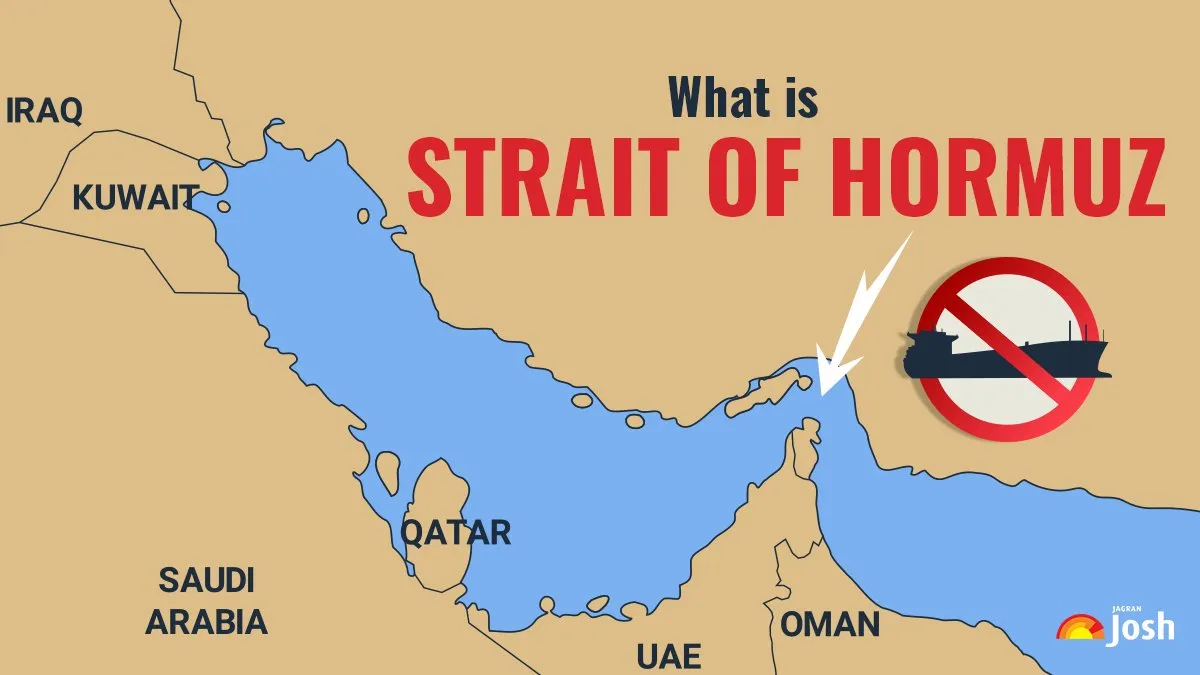
In addition to nuclear constraints, the MoU mandates the reopening of the Strait of Hormuz to all commercial shipping. This move is intended to end recent maritime disputes that have threatened the flow of oil through one of the world’s most critical maritime choke points. U.S. officials have stated that the agreement includes protocols for joint maritime security monitoring to ensure the safety of tankers and cargo vessels.
The economic component of the deal involves the waiver of certain sanctions. While the full list of waived sanctions has not been released to the public, Axios reports that the focus remains on sectors that allow Iran to participate in global energy markets and receive payments for exports. The memorandum also outlines a mechanism for the gradual rollback of restrictions as Iran meets specific enrichment and inspection milestones.
How will uranium dilution affect Iran’s nuclear program?
The requirement to dilute enriched uranium is a central technical pillar of the new agreement. Rather than a total dismantling of enrichment infrastructure, the MoU calls for the reduction of uranium concentrations to a level deemed non-threatening by international monitors. This process effectively lowers the “enrichment grade,” making it significantly more difficult and time-consuming to reach the 90% purity required for nuclear weaponry.
Nuclear experts cited in various diplomatic reports suggest that dilution is a pragmatic middle ground. It allows Iran to maintain some level of domestic energy production capabilities while providing the United States and its allies with verifiable proof that the program is not being diverted toward a weapons program. The implementation of this dilution will likely require oversight from the International Atomic Energy Agency (IAEA) to ensure compliance with the agreed-upon percentages.
The effectiveness of this measure depends on the transparency of Iran’s centrifuge operations. Under the terms of the MoU, inspectors will require access to enrichment sites to verify that the diluted material is being properly stored and that no new high-enrichment activity is occurring. The timeline for this verification process remains a subject of ongoing negotiation between the U.S. State Department and Iranian nuclear authorities.
Why does the reopening of the Strait of Hormuz matter for global energy markets?
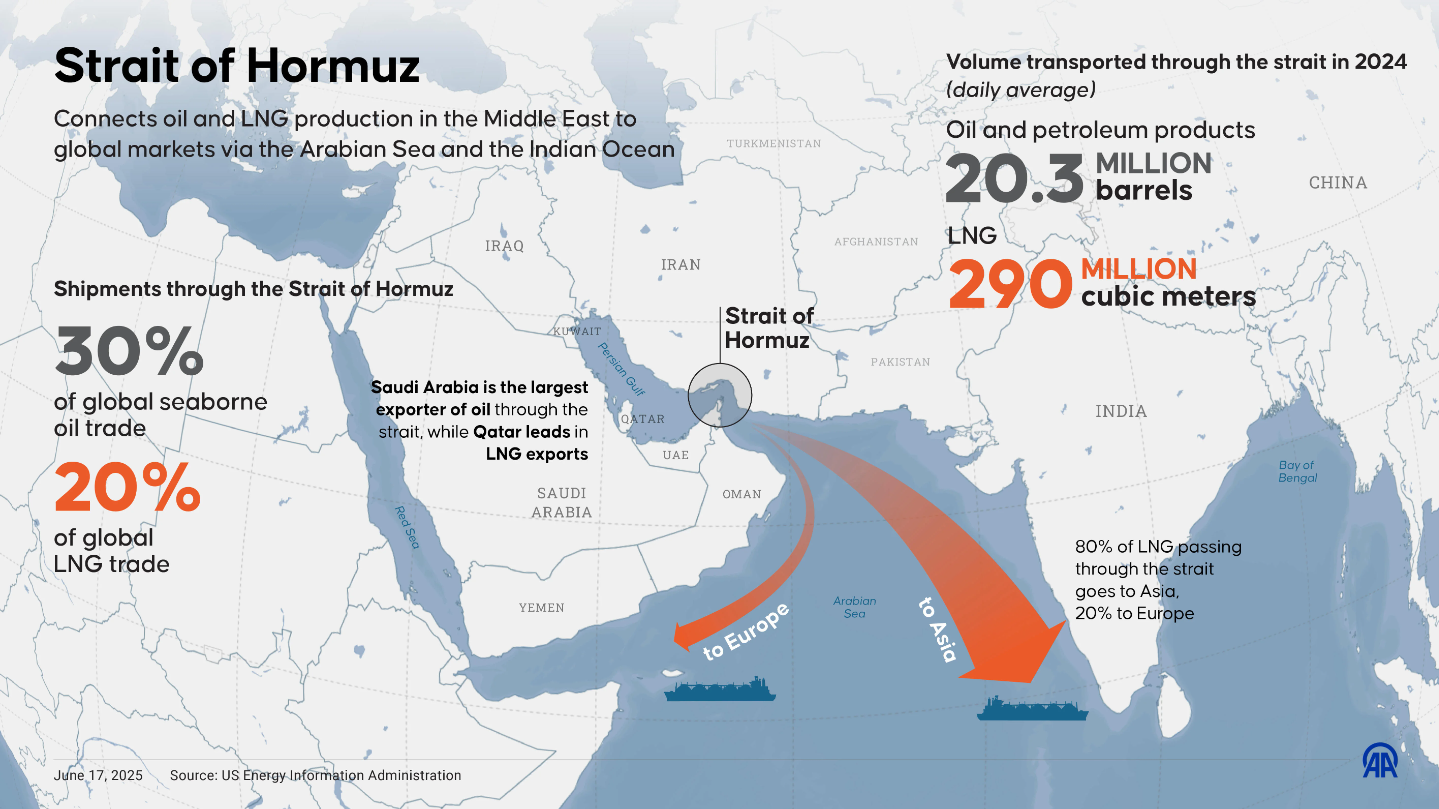
The Strait of Hormuz serves as the primary transit route for approximately 20% of the world’s total oil consumption. Any disruption in this narrow waterway causes immediate volatility in global crude oil prices. For years, tensions involving maritime seizures and naval confrontations in the Persian Gulf have added a “risk premium” to every barrel of oil produced in the region.
By securing a commitment from the Pezeshkian administration to reopen the Strait to all international shipping, the MoU aims to stabilize these energy markets. The agreement establishes a framework for “freedom of navigation,” which ensures that commercial vessels can transit the waterway without the threat of detention or harassment. This is expected to reduce insurance costs for shipping companies and stabilize supply chains for major importers in Asia and Europe.
The security of the Strait is not merely an economic issue but a geopolitical one. The involvement of both U.S. and Iranian officials in the MoU suggests a coordinated effort to prevent accidental naval skirmishes that could escalate into a larger regional conflict. The memorandum includes provisions for communication channels between naval commanders to prevent misunderstandings during transit operations.
What sanctions are targeted for waiver in the new deal?
The waiver of sanctions is the primary incentive offered to Tehran to ensure compliance with the nuclear and maritime terms. While the U.S. administration has maintained that “snapback” provisions remain in place should Iran violate the MoU, the initial phase of the deal focuses on lifting barriers to trade and banking. This includes easing restrictions on Iran’s ability to engage in international financial transactions, which has historically been a major hurdle for its economy.
Economic analysts note that the lifting of sanctions is expected to be phased. The first stage typically involves the removal of restrictions on the sale of Iranian oil and petrochemicals, allowing the country to rebuild its foreign exchange reserves. Following this, subsequent phases may address sanctions on the Iranian banking sector and the importation of dual-use technologies required for civilian infrastructure.
The political difficulty of these waivers lies in the U.S. domestic landscape. The Trump administration must navigate congressional oversight to ensure that the sanctions relief is perceived as a strategic victory rather than a concession. The success of the economic component of the deal will be measured by Iran’s ability to stabilize its currency and reduce inflation through increased export revenue.
Comparison of Nuclear and Maritime Frameworks
The following table compares the strategic focus of the current memorandum with the previous diplomatic frameworks involving Iran.
| Feature | Previous Frameworks (JCPOA Era) | 2025 Memorandum of Understanding |
|---|---|---|
| Nuclear Strategy | Focus on limiting centrifuge numbers and total stockpiles. | Focus on mandatory uranium dilution and grade reduction. |
| Maritime Security | General adherence to international law. | Specific protocols for Strait of Hormuz reopening and joint monitoring. |
| Sanctions Approach | Broad lifting of many economic sectors. | Targeted, phased waivers linked to specific verification milestones. |
| Verification | Long-term IAEA monitoring of sites. | Immediate, high-frequency verification of dilution levels. |
The next scheduled checkpoint for the agreement involves the first round of IAEA inspections to verify the dilution of uranium stockpiles. These inspections are expected to take place within the coming weeks, pending the finalization of technical access protocols. The international community will be watching closely to see if the Pezeshkian government adheres to the technical requirements set forth in the 14-point text.
What are your thoughts on the implications of this deal for global energy prices? Let us know in the comments below and share this article with your network.