Groupement Mousquetaires Expands Technical Training in Industrial Water Treatment
Groupement Mousquetaires is recruiting specialized apprentices for water treatment roles, a move that underscores the increasing technical requirements for managing industrial wastewater within the French retail and logistics sectors. These positions focus on the biological treatment of effluents, a critical component of environmental compliance and public health management for large-scale corporate operations.
The recruitment of work-study students (alternants) in this field reflects a broader industry trend toward professionalizing environmental management. As large-scale cooperatives expand their logistics and food distribution networks, the complexity of managing wastewater—ensuring it meets regulatory standards before discharge—has become a core operational necessity.
The Technical Demands of Industrial Wastewater Management
Industrial water treatment differs significantly from municipal systems due to the specific chemical and biological loads present in commercial effluents. For organizations like Groupement Mousquetaires, which manages extensive supply chains, wastewater management often involves monitoring the biological processes used to break down organic matter.
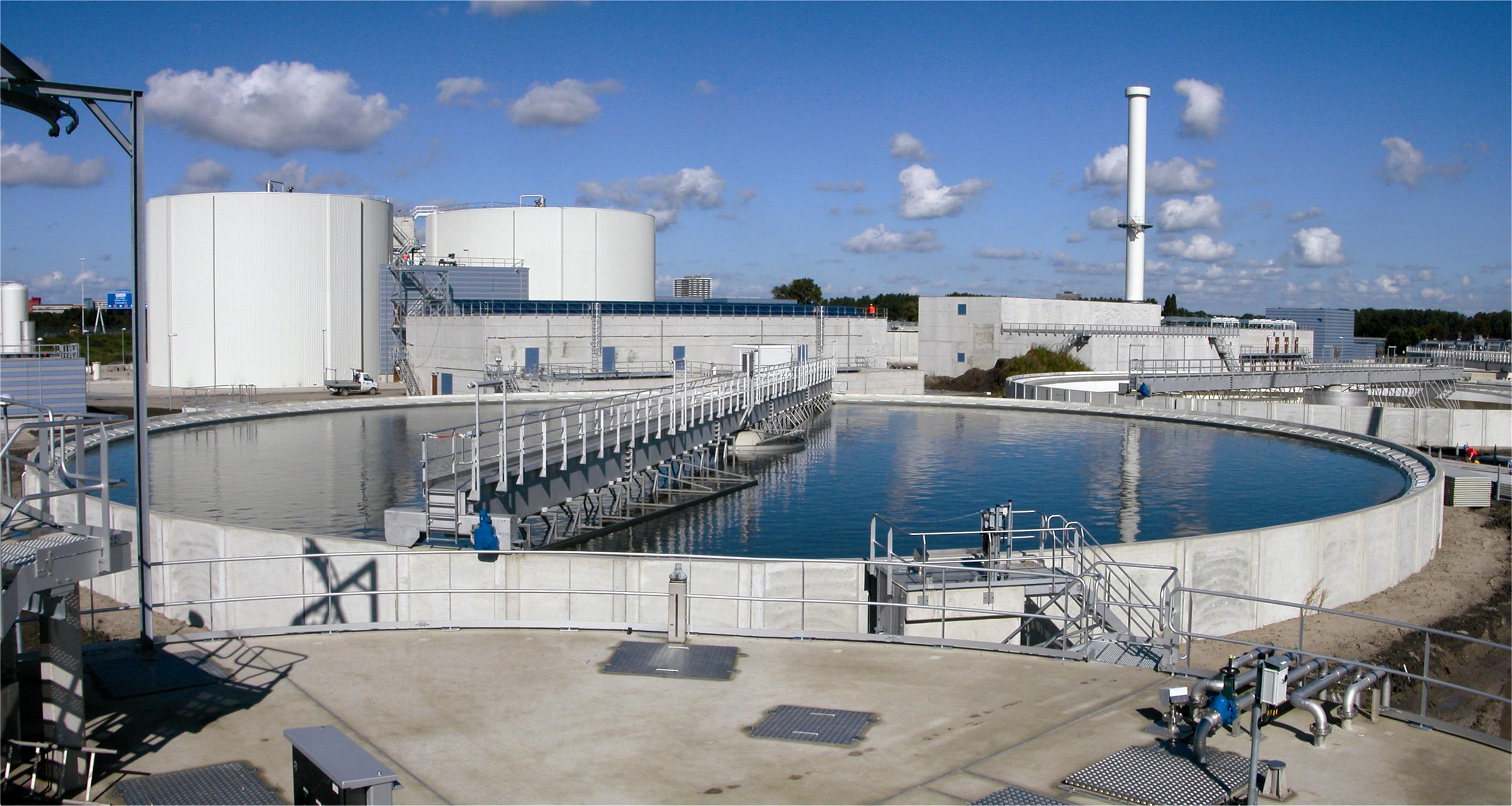
A primary method used in these facilities is biological treatment. This process relies on microorganisms to consume organic pollutants in the wastewater. According to environmental engineering standards, the efficiency of these systems depends on maintaining precise levels of oxygen, pH, and nutrient balance to ensure the microbial colonies remain active and effective. Apprentices in these roles are typically tasked with monitoring these parameters and performing routine maintenance on the infrastructure used to facilitate these biological reactions.
The scale of such operations can be substantial. In industrial contexts, treatment capacity is often measured in “population equivalents” (PE). For example, large-scale industrial stations are designed to handle the biological load equivalent to tens of thousands of inhabitants, requiring sophisticated monitoring technology and highly trained personnel to prevent environmental contamination.
Understanding Biological Treatment and Population Equivalents
To understand the scope of the roles being advertised, it is necessary to define the technical metrics used by environmental engineers. The concept of the “population equivalent” (PE) is a standard unit used to express the organic load of wastewater. One PE is defined as the amount of organic matter produced by one person in one day.

When a facility is described as having a capacity of 80,000 population equivalents, it signifies that the biological treatment infrastructure is engineered to process the daily organic waste produced by 80,000 people. This metric allows engineers to:
- Standardize the sizing of aeration tanks and filtration systems.
- Predict the amount of sludge produced during the treatment process.
- Ensure that the biological oxygen demand (BOD) of the discharged water meets local environmental regulations.
Biological treatment systems, such as activated sludge processes, are central to this management. These systems use controlled environments to optimize the natural breakdown of waste, turning complex effluents into treated water and manageable biological solids.
Environmental Compliance in the French Retail Sector
The emphasis on technical water management within Groupement Mousquetaires aligns with tightening European and French environmental regulations. Large retail cooperatives face increasing pressure to demonstrate robust Corporate Social Responsibility (CSR) frameworks, specifically regarding resource management and pollution prevention.
Regulatory bodies in France, including the Ministry of Ecological Transition, mandate strict discharge limits for industrial sites. Failure to manage effluents correctly can result in significant legal liabilities and environmental damage. By investing in specialized apprenticeships, the group is building a pipeline of technical talent capable of navigating these regulatory requirements. This approach moves environmental management from a peripheral administrative task to a core technical competency within the company’s operational structure.
Career Development in Environmental Engineering
The transition of water treatment from manual labor to a highly technical discipline has created new career pathways. Modern water treatment facilities utilize automated sensors, real-time data analytics, and complex biological modeling. This shift requires a workforce trained in both biology and mechanical/electrical maintenance.

For students entering these work-study programs, the roles offer exposure to:
- Laboratory analysis of water samples to verify chemical and biological safety.
- The operation of industrial-scale pumps, aerators, and filtration units.
- Data-driven decision-making to optimize treatment efficiency and reduce energy consumption.
As the retail sector continues to integrate more complex logistics, the demand for professionals who can manage the intersection of industrial efficiency and environmental stewardship is expected to grow.
Further updates regarding Groupement Mousquetaires’ environmental initiatives and recruitment cycles are typically released through their official corporate communications and professional recruitment portals.
What are your thoughts on the growing technical requirements for environmental roles in the retail sector? Share your insights in the comments below and share this article with your professional network.
Related reading