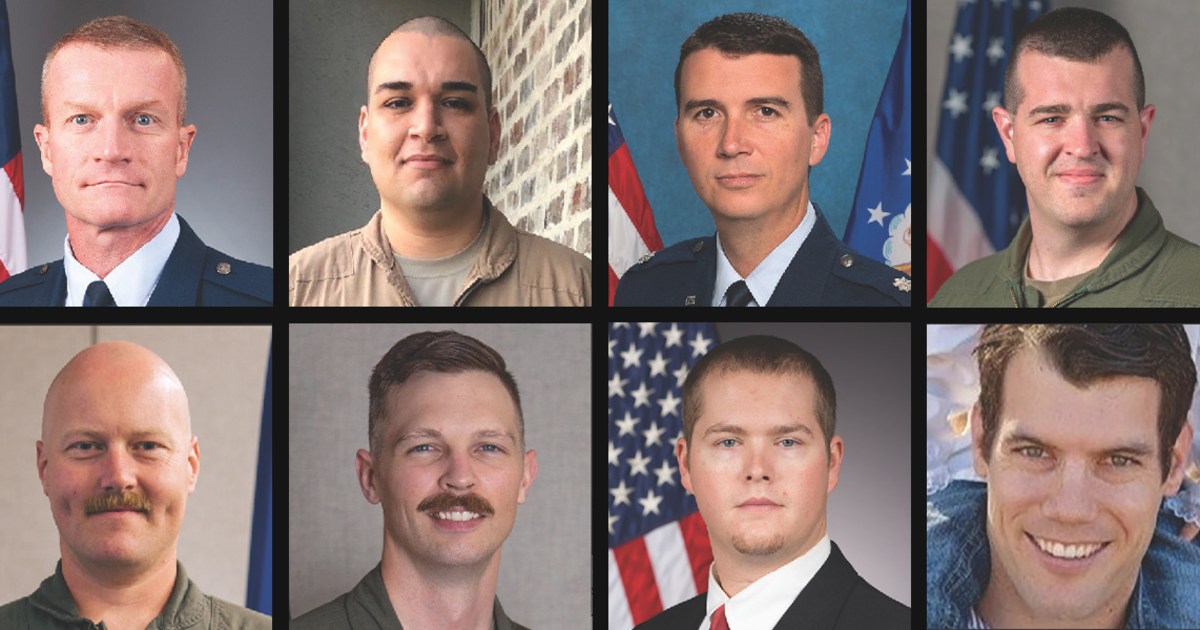
The United States Department of Defense has officially released the names of the eight individuals who died in the B-52 bomber crash at Edwards Air Force Base in California. The incident, which occurred during a routine training mission, involved both military personnel and civilian contractors, marking a significant loss for the aviation and defense community.
According to the U.S. Air Force, the victims were identified following the completion of recovery operations and the notification of next of kin. The crash site, located within the sprawling testing grounds of the base, remains under investigation as officials work to determine the exact mechanical or environmental factors that led to the catastrophic failure of the aircraft.
Identities of the Eight Victims
The Pentagon confirmed the identities of the eight victims in a formal statement, noting that the group consisted of military service members and employees of Boeing, the aircraft’s manufacturer. Among those lost were seasoned pilots and specialized engineers who played critical roles in the maintenance and testing of the long-range strategic bomber fleet. The list includes:
- Maj. Brad Hovey, a pilot with extensive experience in heavy bombers.
- Several specialized flight engineers and contractors whose work was vital to the B-52’s operational readiness.
Family members and colleagues have begun sharing tributes to the deceased. The wife of one of the engineers, who was reportedly celebrating a wedding anniversary at the time of the tragedy, described her husband as a dedicated professional and a hero to his family. Statements from relatives emphasize the high risks associated with flight testing, a sentiment echoed by military leadership at the base.
Investigation Into the B-52 Crash
The Air Force Accident Investigation Board is currently conducting a thorough review of the wreckage to understand what triggered the crash. While initial reports suggest no immediate signs of external interference, investigators are examining flight data recorders and maintenance logs to identify potential technical malfunctions. The B-52 Stratofortress, a legacy platform in the U.S. arsenal, requires rigorous upkeep, and the involvement of Boeing personnel underscores the complexity of the systems being tested at the time of the accident.
Standard procedure for such incidents involves a multi-phase investigation. First, the recovery of flight data recorders provides a timeline of the aircraft’s final moments. Second, metallurgical analysis of the airframe and engines is performed to check for material fatigue or component failure. This process can take several months, according to military aviation safety protocols.
Operational Impact and Safety Protocols
Edwards Air Force Base, known as the primary center for flight testing in the United States, has temporarily suspended non-essential flight operations to allow for a safety stand-down. This measure is intended to ensure that all other aircraft currently in service are cleared for flight and that any systemic issues identified during the preliminary investigation are addressed across the fleet.

The loss of eight personnel is one of the most significant aviation accidents in recent years for the Air Force. The service has pledged to provide full support to the families of the victims, including access to counseling and survivor benefits. For those following the investigation, official updates are expected to be published periodically through the Edwards Air Force Base public affairs office as the investigation board reaches its conclusions.
The community is invited to share their condolences through official channels established by the base. As the investigation progresses, further details regarding the cause of the crash will be released to the public in accordance with Department of Defense information policies. Please check back for updates on this developing story.