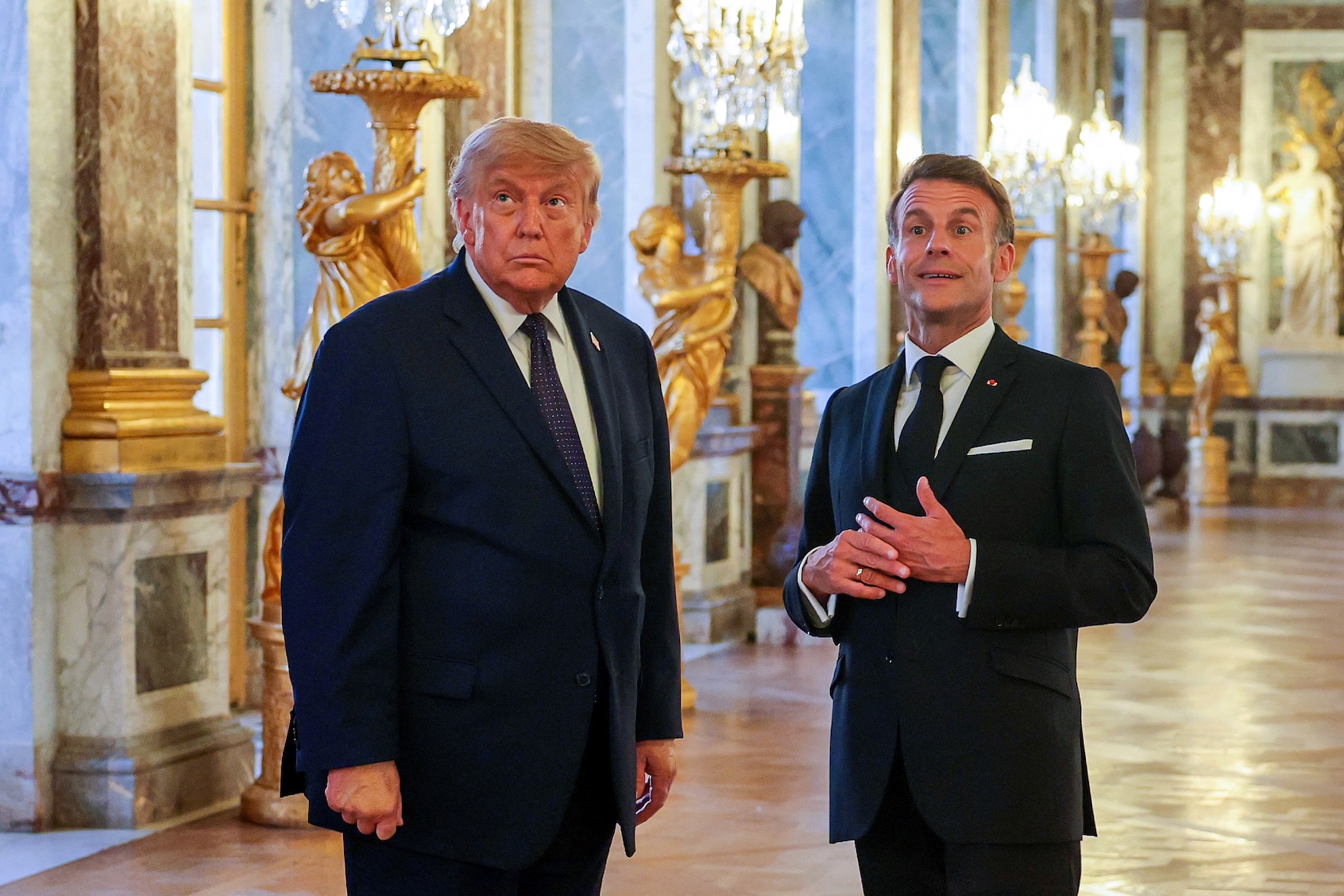
President Donald Trump arrived in France for the G7 summit this week, seeking to secure international support for a high-stakes diplomatic memorandum concerning the Strait of Hormuz. The proposal, which aims to address ongoing regional hostilities and establish a temporary ceasefire, faces significant scrutiny from global allies and domestic lawmakers. As the administration attempts to navigate these complex international negotiations, the President’s presence at the summit has drawn attention to shifting alliances and the broader economic implications of the conflict in the Middle East.
The proposed agreement, as outlined in drafts discussed with officials, suggests a framework for de-escalating tensions in the region. According to reports from diplomatic observers, the plan includes provisions for a reconstruction fund and a temporary pause in hostilities. However, the diplomatic reception has been mixed. Israeli Prime Minister Benjamin Netanyahu has publicly stated that his government will not consider itself bound by agreements reached without its direct involvement or consent, as reported by the Reuters news service. This stance complicates the administration’s goal of presenting a unified front among its traditional partners.
Shifting Dynamics at the G7 Summit
The G7, an intergovernmental political forum consisting of seven of the world’s largest advanced economies, has historically served as a venue for the United States to coordinate policy with European and Asian allies. In recent years, however, the tone of these gatherings has changed. During the 2018 summit in Quebec, disagreements over trade policies and the potential re-admission of Russia to the group created notable friction between the U.S. and its counterparts, according to records from the Council on Foreign Relations.
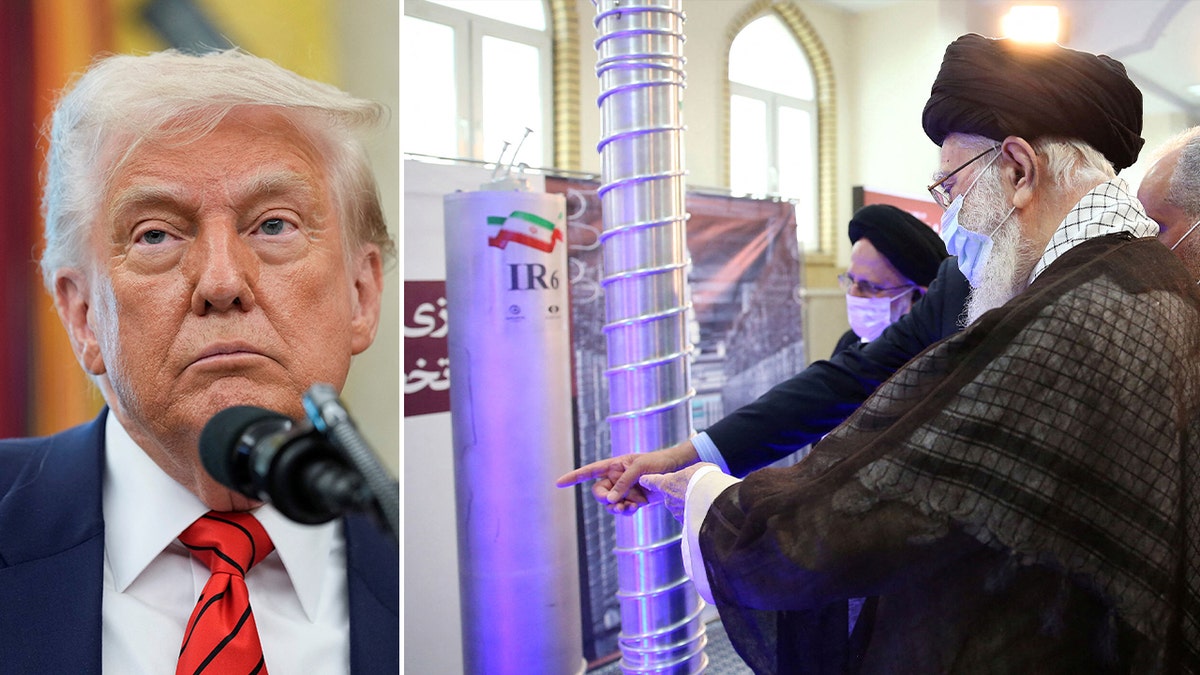
Current discussions at the summit remain focused on the economic fallout from regional conflicts and the stability of global energy routes. The Strait of Hormuz is a critical chokepoint for global oil supplies, and any disruption carries immediate consequences for international markets. While G7 leaders have expressed a shared interest in ensuring the safety of maritime traffic, the specific mechanisms for achieving this—and the role of U.S. involvement—remain subjects of intense debate. The administration’s pivot toward independent deal-making has signaled to many European leaders that the U.S. may be shifting its approach to collective security commitments.
The Impact of Evolving Foreign Policy
The administration’s foreign policy, characterized by a focus on “America First” initiatives and a skepticism toward long-term multilateral agreements, has strained relations with several key allies. Recent developments, including trade tariff adjustments and changes to troop deployments in Europe, have prompted a reassessment of the transatlantic partnership. As noted by the European Union Institute for Security Studies, these policy shifts have encouraged European nations to prioritize strategic autonomy, particularly regarding regional defense and economic stability.
The situation in Ukraine remains another point of divergence. While the EU and the United Kingdom have increased their support for Kyiv, the U.S. administration has taken a more cautious approach to military and financial aid. Despite previous commitments to seek a rapid peace deal, the President has emphasized a desire to limit U.S. involvement in foreign conflicts. This distancing has not gone unnoticed by the international community, with many analysts pointing to a growing gap between the U.S. and its NATO allies regarding the management of regional security threats.
Diplomatic Engagement and Symbolic Gestures
Beyond the formal sessions of the G7, the summit also features a series of bilateral meetings and cultural exchanges intended to bolster personal relationships between world leaders. During his time in France, President Trump attended a formal dinner at the Palace of Versailles, an event hosted by French President Emmanuel Macron. Such gestures, while largely symbolic, are frequently used in international diplomacy to facilitate informal conversations and build rapport in a less adversarial environment.
The focus on these interpersonal dynamics highlights the unique nature of the current summit. While policy differences remain significant, the administration continues to seek ways to project influence and maintain its status as a central player in global affairs. As the summit concludes, the focus will shift to whether the proposed memorandum of understanding can gain the necessary support to become a functional diplomatic instrument or if it will remain a point of contention among the parties involved.
The next major checkpoint for these international negotiations will likely occur during the upcoming sessions of the United Nations General Assembly, where global leaders will have another opportunity to address the ongoing conflicts in the Middle East and Eastern Europe. World Today Journal will continue to monitor these developments as official statements are released by the participating delegations.
We welcome your perspectives on these unfolding events. Please join the conversation in the comments section below to share your thoughts on the future of international alliances.
Related reading