
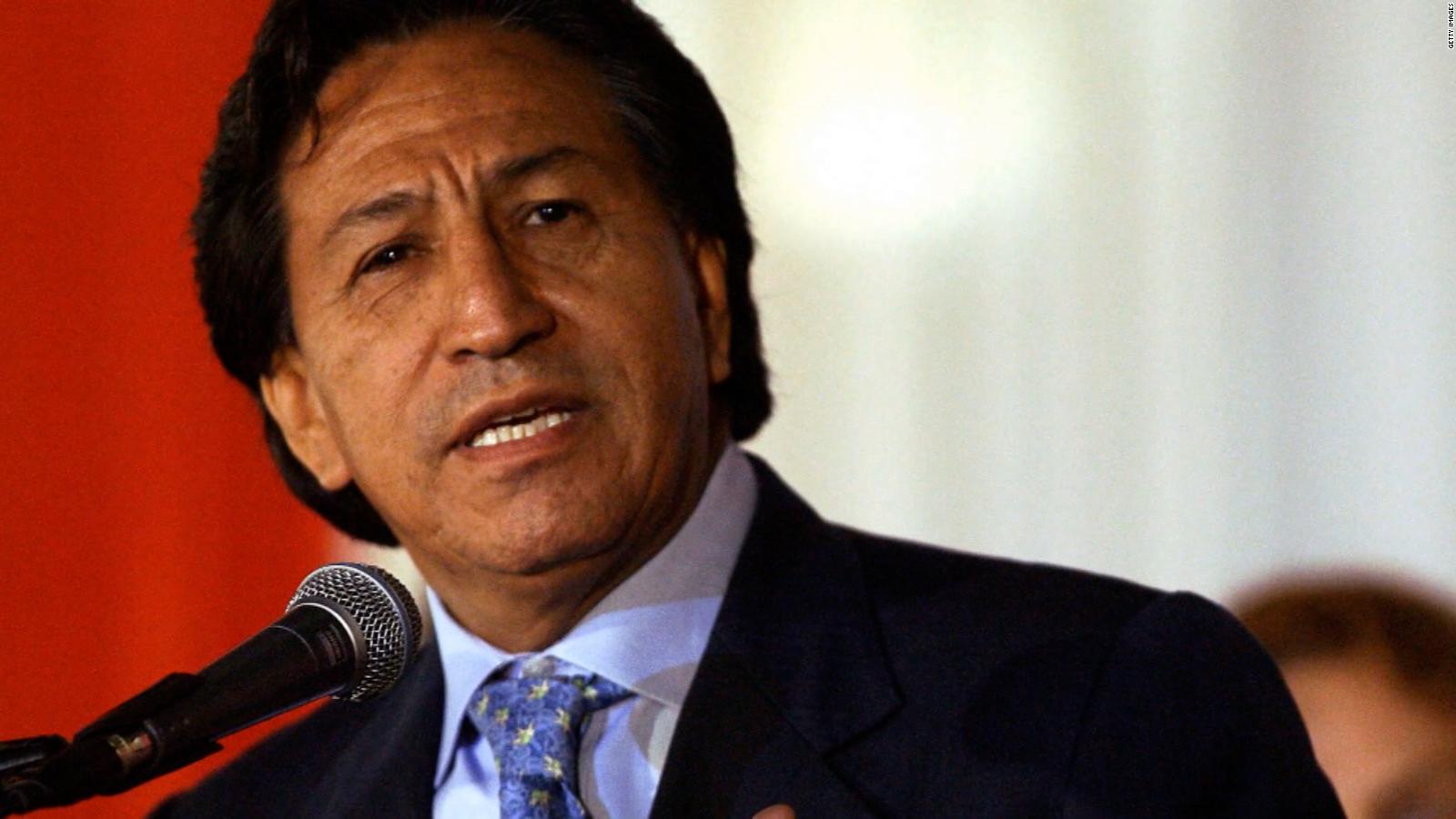
Former Peruvian President Alejandro Toledo has claimed that the total amount of bribe money allegedly paid by the Brazilian construction firm Odebrecht is $45 million, contradicting previous prosecution figures of $20 million to $35 million. During a judicial hearing regarding his ongoing corruption case, Toledo stated that these funds were deposited in Zurich, Switzerland, while maintaining that the money does not belong to him.
Toledo, who was extradited from the United States to Peru in April 2023 to face charges of money laundering and collusion, is currently standing trial for his alleged role in the Interoceanic Highway project. According to the Judiciary of Peru, the prosecution alleges that Toledo received illicit payments in exchange for awarding lucrative government contracts to the multinational firm. The trial proceedings are being overseen by the Second National Collegiate Criminal Court, which is tasked with evaluating the evidence presented by the Public Ministry.
Legal Context and the Odebrecht Investigation
The case against Alejandro Toledo is a central component of the broader “Lava Jato” or “Car Wash” corruption probe that has implicated multiple high-ranking politicians across Latin America. Prosecutors allege that the former president received these payments through offshore accounts linked to his associate, Josef Maiman. Official records from the Public Ministry of Peru indicate that the investigation into these transactions has spanned over a decade, involving international cooperation with legal authorities in Brazil, Switzerland, and the United States.
.jpg "Legal Context and the Odebrecht Investigation")
Toledo’s recent testimony before the court sought to distance himself from the funds, requesting that the court summon a Swiss official to testify regarding the origin and ownership of the accounts. Legal analysts note that this strategy aims to challenge the prosecution’s theory that the money was a direct bribe meant for his personal enrichment. Under Peruvian law, the burden of proof rests with the prosecution to demonstrate that the financial transfers were linked to specific acts of corruption during Toledo’s term, which ran from 2001 to 2006.
Comparison of Alleged Bribe Amounts
The discrepancy in the total bribe amount has become a point of contention during the current trial phase. While the prosecution’s indictment has historically cited a figure of $35 million, Toledo’s assertion of $45 million introduces a new variable that the defense claims undermines the consistency of the state’s case. The following table summarizes the evolving figures reported during judicial proceedings:
| Source/Party | Alleged Amount (USD) |
|---|---|
| Public Ministry (Initial Indictment) | $20 Million |
| Prosecution (Updated Estimates) | $35 Million |
| Alejandro Toledo (Court Testimony) | $45 Million |
The Reuters reporting on his 2023 extradition highlighted the complex nature of the financial trail, which involved multiple shell companies. The court must now weigh whether this shift in the stated amount affects the credibility of the evidence or if it serves as a procedural distraction.
What Happens Next in the Trial
The Second National Collegiate Criminal Court is expected to continue hearing testimonies and reviewing financial documentation in the coming weeks. The court’s next scheduled sessions will focus on the cross-examination of witnesses who have provided evidence regarding the Interoceanic Highway concessions. The Supreme Court of Justice of Peru provides periodic updates on the status of high-profile cases on its official web portal, where interested parties can monitor the progress of the proceedings.
As the trial progresses, the defense team is expected to continue its efforts to challenge the admissibility of the financial records obtained from Swiss banks. Meanwhile, the prosecution maintains that the evidence of money laundering is sufficient to secure a conviction. Observers continue to monitor how these developments will impact the broader anti-corruption efforts in the region. We invite our readers to share their perspectives on the judicial processes involving former heads of state in the comments section below.
Related reading