
Snap Inc. is moving to transition its augmented reality efforts from smartphone-based filters to wearable technology with the latest iteration of its Spectacles. The company unveiled its fifth-generation AR glasses, designed to function as an autonomous computing platform that overlays digital imagery onto the physical world, signaling a strategic attempt to shift user reliance away from handheld mobile devices.
According to official company disclosures, the new hardware integrates custom-built silicon and a proprietary operating system, Snap OS, to manage spatial computing tasks. This hardware release follows a multi-year development cycle that has seen the company accumulate a significant portfolio of intellectual property, with Snap reporting over 7,000 patents related to its proprietary technology and AR ecosystem.
The Shift from Smartphone Filters to Spatial Computing
For years, Snapchat has been synonymous with mobile-based AR filters, a feature that relies entirely on the processing power and camera optics of a smartphone. The new Spectacles represent a departure from this model by housing the necessary optics and processing units within a self-contained wearable frame. By moving the interface from a screen to the user’s field of vision, Snap is positioning its product to compete in the emerging market for head-mounted displays.
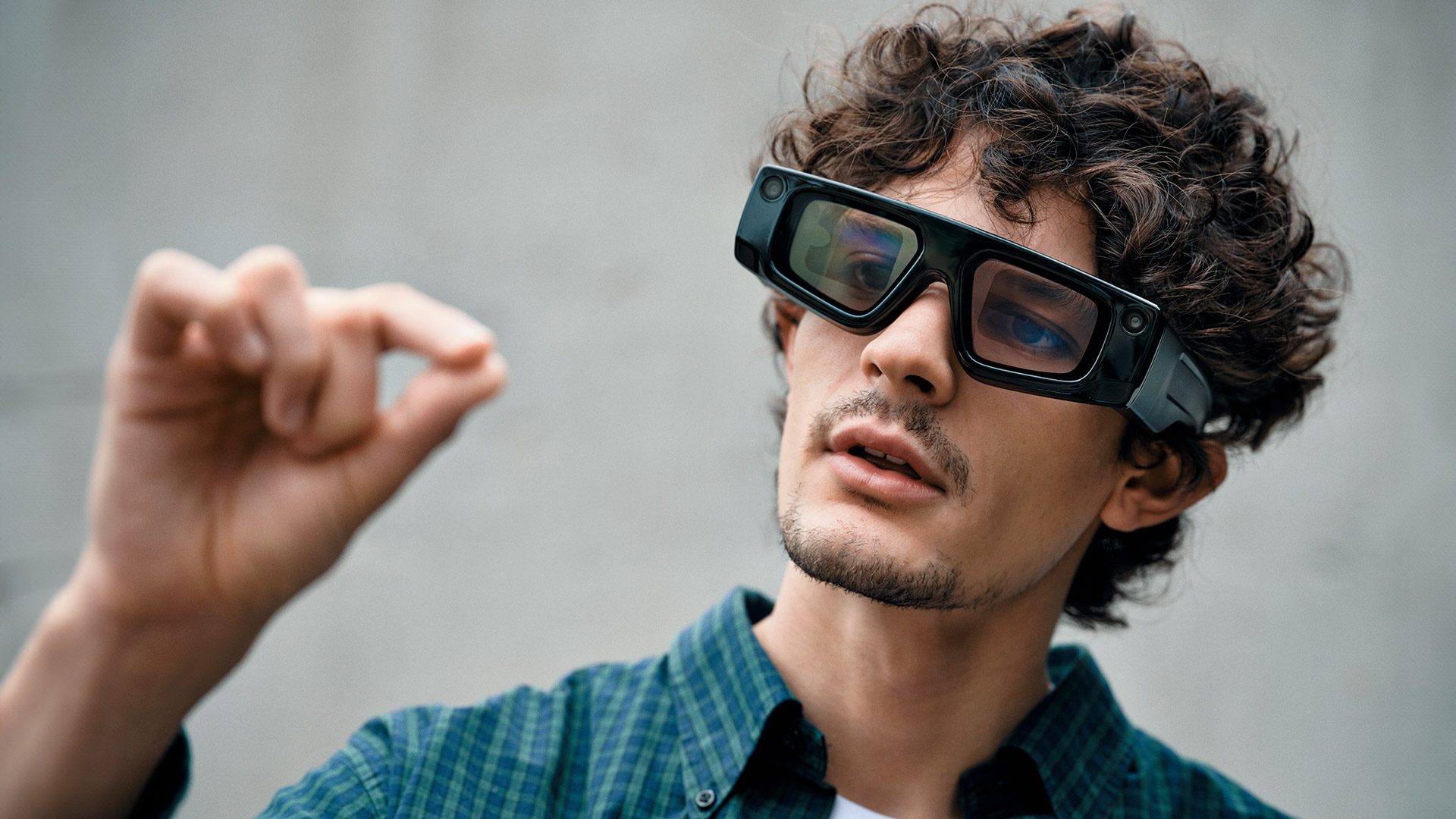
The device utilizes a waveguide display system, which allows digital light to be projected into the user’s eyes while remaining transparent enough to see the environment. This technology is powered by the Snap Spatial Engine, which is designed to map the physical world in real-time, allowing digital objects to interact with physical surfaces. Unlike earlier iterations that functioned primarily as cameras, these glasses are intended to serve as a platform for developers to build persistent, shared AR experiences.
Hardware Specifications and Development Ecosystem
At the core of the new Spectacles is a dual-processor architecture. Snap has integrated two Qualcomm Snapdragon processors to handle the complex requirements of low-latency spatial tracking and high-definition visual rendering. This hardware configuration is essential for maintaining the immersion required for augmented reality, where even minor delays in rendering can cause motion discomfort for the wearer.

Development for the platform is centered on Lens Studio, the company’s existing software suite that has been updated to support the creation of AR content for the new hardware. By leveraging the same tools used for mobile filters, Snap is attempting to lower the barrier to entry for its existing developer community. The company stated that the new glasses are currently available primarily to developers and creators through an application-based program, rather than a broad consumer retail launch, as it continues to refine the user experience and software stability.
Challenges in the Augmented Reality Market
The path to mainstream adoption for AR glasses remains technically and logistically difficult. Industry observers note that the primary hurdles include battery life, thermal management, and the social acceptance of wearing cameras on one’s face. While competitors such as Meta and Apple have also invested heavily in head-worn devices, the sector is still in an experimental phase, with most companies focusing on specific use cases like enterprise navigation or niche gaming.
According to industry reporting, the current version of the Spectacles prioritizes technical capability over mass-market aesthetics. The device is notably bulkier than traditional eyewear, a design trade-off necessitated by the need to house sensors, batteries, and the optical engine. As the technology matures, the industry consensus suggests that the next phase of development will focus on “miniaturization”—shrinking these components into a form factor that mimics standard eyeglasses.
What Happens Next for Snap AR
The immediate future for Snap’s hardware division depends on the feedback from the developer community during the current early-access phase. The company has not provided a specific timeline for a general commercial release, but it has indicated that it will continue to iterate on both the Snap OS and the hardware sensors. Investors and technology analysts are expected to monitor the next quarterly earnings filings for updates on the R&D expenditure associated with the Spectacles program.
For users and developers interested in the evolution of this technology, Snap maintains an official developer portal where it posts documentation and updates regarding the Lens Studio software and hardware availability. As the company moves away from its reliance on smartphone-tethered experiences, the success of these glasses will likely be measured by the utility of the third-party applications built for the platform rather than just the hardware sales themselves.
Have thoughts on the future of wearable AR? Join the conversation in the comments section below and share your perspective on whether glasses will eventually replace the smartphone.