
China has significantly deepened its economic and diplomatic ties with Iran, yet analysts remain divided on whether this represents a strategic victory or a calculated risk in a volatile geopolitical climate. Beijing’s engagement, marked by the 2021 25-year comprehensive cooperation agreement, has provided Tehran with a critical economic lifeline amid international sanctions while positioning China as a central power broker in the Middle East. According to the Council on Foreign Relations, the partnership focuses on energy security, infrastructure development, and defense cooperation, though actual investment levels have often fallen short of initial projections.
The core of the relationship rests on energy trade. China remains the primary buyer of Iranian crude, often purchasing oil at discounted rates that bypass Western-led sanctions regimes. Data from the U.S. Energy Information Administration indicates that Iran’s oil exports have seen a consistent upward trajectory since 2020, with the vast majority of these flows destined for Chinese refineries. For Beijing, this provides a steady supply of energy at favorable prices; for Tehran, it provides the foreign currency necessary to sustain a state economy heavily constrained by international financial isolation.
The Strategic Value of the 25-Year Agreement
Signed in March 2021, the 25-year strategic partnership agreement serves as the formal framework for Beijing-Tehran relations. While early reports speculated that the deal would involve $400 billion in Chinese investment, independent audits by organizations such as the Atlantic Council suggest that actual capital inflows have been far more modest. The agreement outlines cooperation in sectors ranging from telecommunications and transport to military training and intelligence sharing, yet Beijing has been careful to avoid actions that would trigger secondary sanctions from the United States.
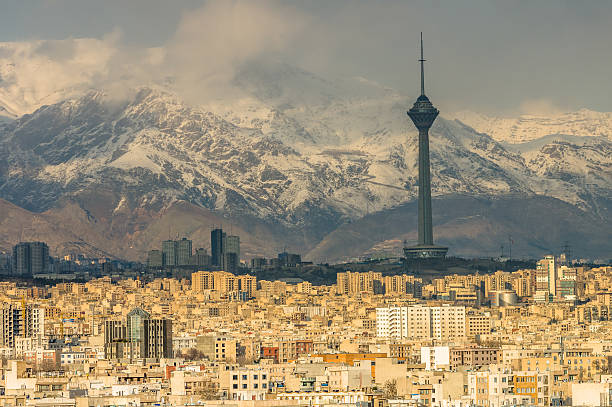
The Chinese approach is rooted in a desire for regional stability to protect its Belt and Road Initiative (BRI) infrastructure projects. By acting as a mediator—most notably in the 2023 restoration of diplomatic ties between Iran and Saudi Arabia—China has demonstrated a shift toward a more proactive diplomatic role in the Middle East. As reported by Reuters, this diplomatic breakthrough signaled to regional players that Beijing intends to remain a permanent fixture in regional security architecture, offering an alternative to the traditional U.S.-led order.
Economic Realities and Sanctions Constraints
Beijing’s ability to “win” in Iran is ultimately limited by the global financial system. Because Chinese state-owned banks are heavily integrated into the dollar-dominated international banking network, they remain highly sensitive to U.S. Treasury enforcement. According to the U.S. Department of the Treasury, entities facilitating transactions with sanctioned Iranian sectors risk being cut off from the U.S. financial system. This has forced China to rely on a complex network of “shadow” tankers and private, smaller banks to move oil and process payments.
/cityscape-of-the-los-angeles-skyline-at-dusk-los-angeles-california-united-states-of-america-north-america-530065311-57924bb33df78c17348ace09.jpg "Economic Realities and Sanctions Constraints")
This reality forces a distinction between diplomatic rhetoric and economic reality. While Beijing values Iran as a strategic partner to hedge against American pressure in the Indo-Pacific, it does not view Tehran as a replacement for its trade relationships with the West or other Gulf states. The World Bank notes that Iran’s economic growth remains tied to volatile oil prices and the ongoing impact of global sanctions, limiting the potential for the large-scale infrastructure projects originally envisioned under the 2021 cooperation pact.
What Happens Next in Beijing-Tehran Relations
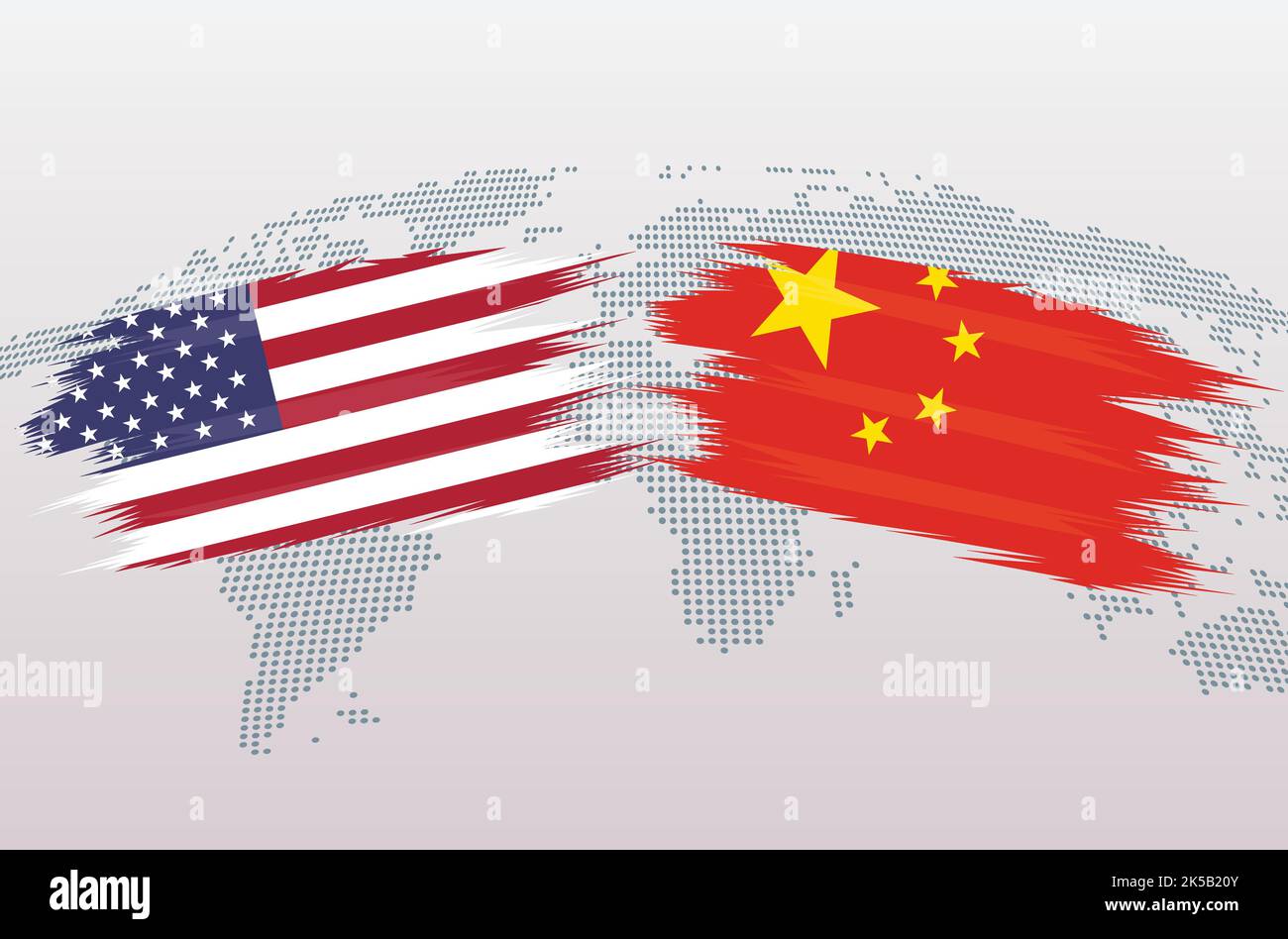
The future of the Beijing-Tehran relationship will likely be defined by the broader trajectory of U.S.-China competition. If tensions between Washington and Beijing escalate, analysts expect China to lean more heavily into its partnership with Iran as a way to project influence and secure resources. Conversely, if Beijing seeks to stabilize its own domestic economy, it may continue to prioritize its trade relations with the European Union and the United States over expansive new commitments in Iran.
Observers are currently tracking the upcoming renewal cycles of various energy contracts and the potential for increased Chinese participation in Iran’s domestic energy infrastructure. Any significant shift in these engagements will be documented in official filings from the Ministry of Commerce of the People’s Republic of China. Readers interested in the latest developments are encouraged to monitor state-issued trade reports and international financial monitoring services for updates on trade volumes between the two nations.
The complexity of this geopolitical alignment ensures that the question of whether China has “won” in Iran will remain a subject of debate. For now, the relationship functions as a pragmatic, if constrained, arrangement that serves the immediate survival needs of Tehran and the strategic energy requirements of Beijing. We welcome further discussion on this topic in the comments section below.
Keep reading