
The Federal Reserve’s June 2026 interest rate policy decisions have intensified scrutiny of U.S. monetary strategy as global markets respond to shifting inflation data and changing leadership at the central bank. According to the Federal Reserve Board’s official meeting schedule, the Federal Open Market Committee (FOMC) maintains a rigorous calendar to manage the federal funds rate, which serves as the primary lever for controlling economic liquidity and inflation. Investors are now recalibrating portfolios as the central bank balances the need for price stability against the risk of slowing economic growth in a high-interest-rate environment.
The current climate is defined by the transition of leadership at the Federal Reserve and the resulting uncertainty among market participants. As noted by the U.S. Bureau of Labor Statistics, persistent inflationary pressures remain a focal point for policymakers, leading to a cautious approach that has left interest rates in a restrictive territory. This environment has prompted diverse reactions across international markets, particularly in emerging economies where the strength of the U.S. dollar—driven by high domestic rates—frequently dictates the flow of “hot money” and foreign direct investment.
Market Sentiment and Interest Rate Projections
Market analysts are closely watching the divergence between the Fed’s official guidance and the expectations of derivatives traders. Data from the CME FedWatch Tool illustrates that traders frequently adjust their positions based on the latest FOMC statements, often pricing in a different trajectory for rate cuts or hikes than the projections offered by Fed governors. This gap between market sentiment and institutional policy creates volatility, particularly for assets sensitive to borrowing costs, such as technology stocks and real estate.

The volatility is exacerbated by the broader political context. Economic policy discussions in Washington often intersect with Fed operations, leading to speculation regarding the independence of the central bank. While the Fed is mandated by Congress to pursue the dual goals of maximum employment and stable prices, as outlined in the Federal Reserve Act, political discourse frequently centers on how these decisions impact electoral outcomes and national debt management. Investors are currently monitoring these signals to determine if the Fed will maintain its current stance or pivot toward a more aggressive monetary easing cycle later in the year.
Impact on Global and Emerging Markets
The strength of the U.S. dollar, supported by elevated interest rates, creates significant challenges for developing nations. When the Federal Reserve maintains a hawkish stance, capital often shifts from emerging markets to U.S.-denominated assets, which are viewed as safer, higher-yielding investments. This shift forces central banks in countries like Egypt, Turkey, and Brazil to adjust their own interest rates to defend their currencies and curb domestic inflation, according to reports from the International Monetary Fund.
For investors, the implications of the June 2026 meeting extend beyond domestic U.S. equity markets. Currency fluctuations, specifically the USD/EGP or USD/TRY exchange rates, are heavily influenced by the spread between the Federal Reserve’s rates and local central bank rates. Financial institutions now prioritize liquidity management as they navigate the potential for “higher-for-longer” interest rates, which could further strain sovereign debt servicing costs in nations with significant dollar-denominated obligations.
What Lies Ahead for Monetary Policy
The next major milestone for market observers will be the release of the Summary of Economic Projections (SEP) and the subsequent press conference following the next scheduled FOMC meeting. The Federal Reserve’s official portal provides the most reliable timeline for these updates, which are essential for understanding the committee’s consensus on the terminal rate and the timeline for eventual normalization. Analysts emphasize that the committee’s forward-looking statements are often more impactful than the immediate rate decision itself.
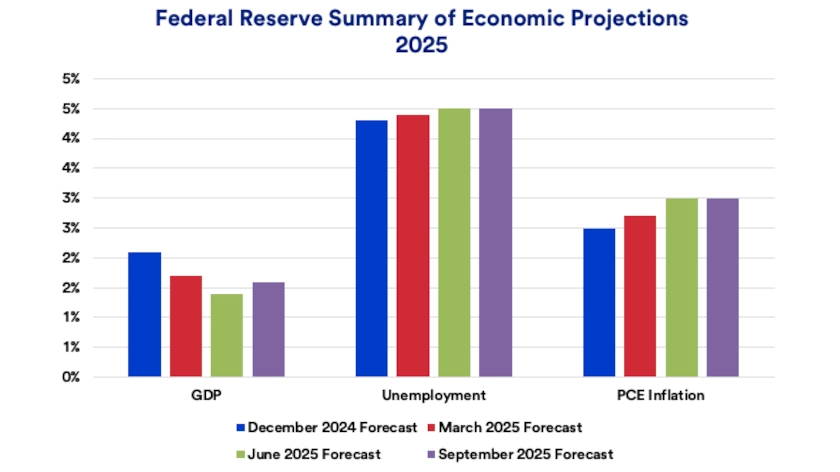
Moving forward, the primary factor to monitor is the evolution of the Personal Consumption Expenditures (PCE) price index, which is the Fed’s preferred gauge for inflation. As the central bank moves toward its 2% inflation target, any deviation from expected data points will likely trigger swift adjustments in market pricing. Readers interested in tracking these developments should consult the Bureau of Economic Analysis for the most recent monthly inflation figures. We encourage our readers to participate in the conversation by sharing their perspectives on how these policies are affecting their local economic environments in the comments section below.