Certain vintage mobile phones, once considered obsolete electronic waste, are now fetching thousands of dollars at auction as collector interest in early telecommunications hardware surges. While most discarded devices are relegated to recycling centers, specific models—particularly those in pristine, original packaging—have become high-value assets for technology enthusiasts and historians, according to reports tracking global auction trends.
The market for vintage tech relies heavily on rarity, condition, and historical significance. Devices such as the original 2007 Apple iPhone, the Motorola DynaTAC 8000X, and limited-edition Nokia handsets frequently command premium prices. According to data from auction platforms like eBay and specialized heritage auction houses, the valuation of these devices is often decoupled from their functional utility, driven instead by their status as cultural artifacts of the digital age.
The Factors Driving Collectible Value
The primary driver behind the rising price of old mobile phones is scarcity in “new old stock” (NOS) condition. A phone that has never been removed from its factory-sealed box is significantly more valuable than a used unit. Collectors prioritize devices that represent a technological leap, such as the first mass-market cellular phones or the dawn of the smartphone era.
For instance, the Motorola DynaTAC 8000X, released in 1983 as the first commercially available mobile phone, is highly sought after due to its role as a pioneer in wireless communication. Similarly, early iPhone models—specifically the first-generation 4GB or 8GB versions—have seen auction results exceeding $10,000 to $30,000 depending on the integrity of the packaging, as documented by various reports on LCG Auctions. These figures highlight how the secondary market for consumer electronics has evolved into a niche sector of the broader collectibles industry.
Repurposing Hardware: A Sustainable Alternative
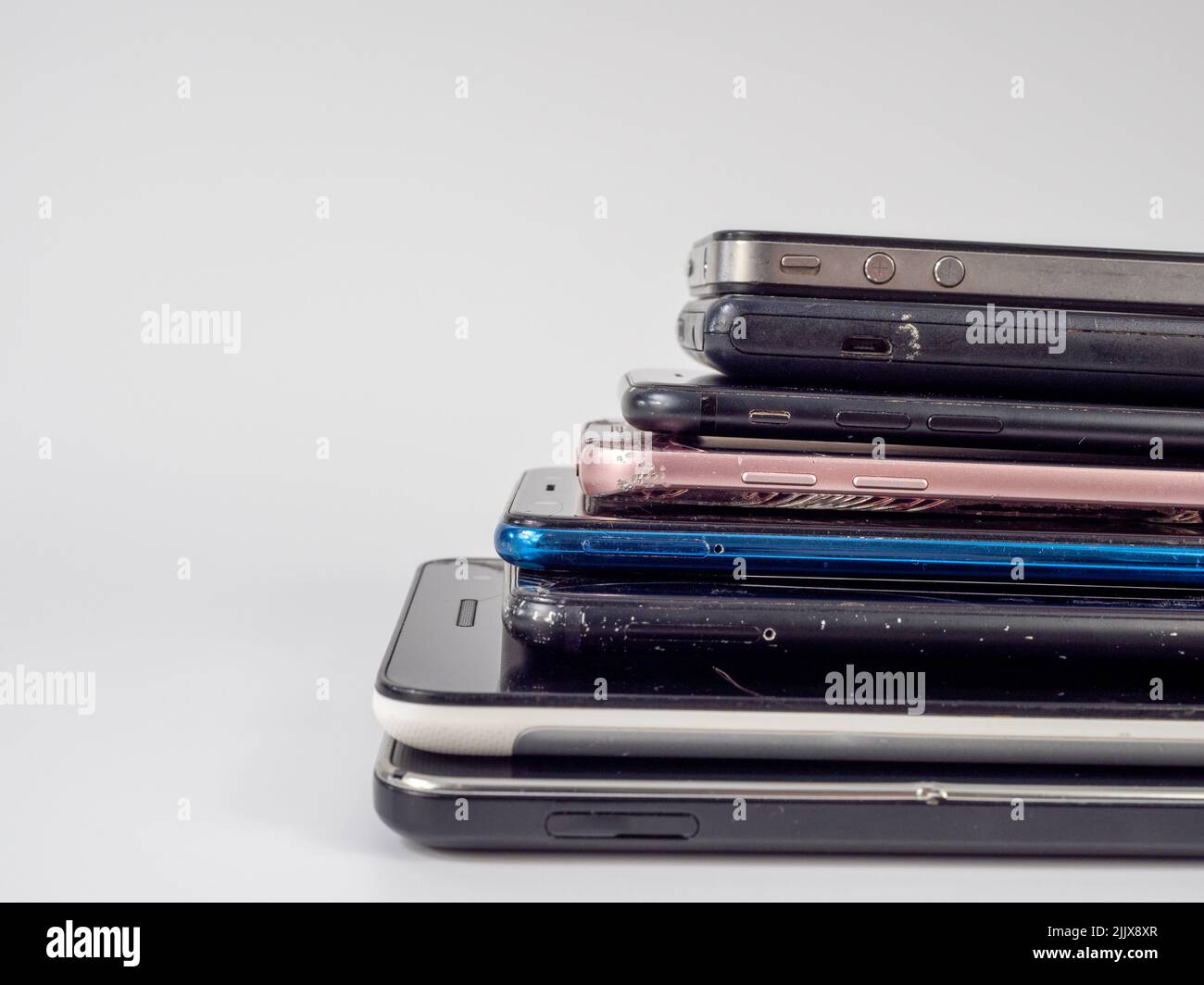
While some vintage phones find their way into private collections, others are being diverted from landfills to serve as infrastructure in research projects. Researchers are increasingly investigating the use of decommissioned smartphones as cost-effective, energy-efficient building blocks for small-scale data centers. This approach to “sustainable IT infrastructure” emphasizes the longevity of hardware components even after their official software support has ended.

According to academic and industry research, older smartphones contain integrated processors, memory, and connectivity modules that can be repurposed to handle low-demand computing tasks. By clustering these devices, developers can create experimental server environments that consume significantly less electricity than traditional server racks. This practice, often referred to as “mobile-based computing,” aims to reduce the environmental impact of electronic waste by extending the lifecycle of mobile hardware, as noted in studies regarding energy-efficient mobile cloud computing.
Identifying Potential Value in Your Collection
If you are looking to determine whether an old device in your possession holds monetary value, experts suggest focusing on several specific criteria:
- Original Packaging: The presence of the original box, manuals, and accessories can increase the value of a device by several hundred percent.
- Model Significance: Phones that were “firsts”—the first to feature a camera, the first to have a touchscreen, or the first to feature a specific design—are inherently more collectible.
- Condition: Devices showing signs of battery leakage, screen burn-in, or heavy physical wear are generally worth significantly less, unless the device is exceptionally rare.
- Software State: Sometimes, phones running original, unupdated operating systems are preferred by collectors who want the device to function exactly as it did on its release day.
The market for these devices remains volatile and is heavily influenced by nostalgia cycles. Investors and collectors are encouraged to consult active auction listings and historical sale databases—such as those maintained by WorthPoint—to track price fluctuations for specific makes and models before committing to a purchase or sale.
What Happens Next?
As the “retro-tech” trend continues to grow, more auction houses are expected to dedicate specific lots to consumer electronics from the 1980s, 1990s, and early 2000s. Simultaneously, the movement to repurpose old hardware for computing infrastructure is likely to see further exploration in academic circles as a response to the growing global e-waste crisis. Readers interested in the latest developments in sustainable technology or vintage tech auctions can monitor industry portals for upcoming specialized sales and research publications. If you have a device you believe is rare, consider checking its serial number against known manufacturer databases to verify its production date and historical context.
Related reading