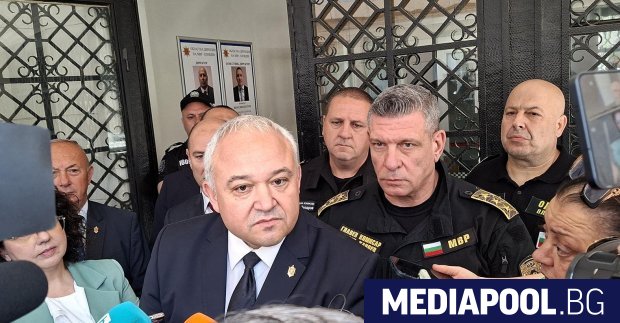
Former Bulgarian Interior Minister Ivan Demerdzhiev has publicly stated that Stoyan Kandev, the former head of the Interior Ministry’s political cabinet, cited personal financial obligations as the primary reason for his resignation from the department. Demerdzhiev’s remarks, delivered during a recent media appearance, characterize the departure as a choice driven by the need to secure private-sector employment to manage a mortgage.
The transition of senior officials from the Ministry of Interior (MВР) to the private sector has drawn increased scrutiny regarding the influence of external factors on ministerial staffing. Demerdzhiev, who served as interior minister in the caretaker cabinets appointed by President Rumen Radev, has suggested that his former subordinate’s exit was not merely a personal career move but occurred against a backdrop of wider administrative pressures. According to reports from the Bulgarian National Radio (BNR), the ministry has faced ongoing questions regarding the transparency of its human resources policies during recent mandate periods.
The Context of the Resignation

According to Demerdzhiev, the conversation regarding Kandev’s departure was prompted by inquiries into the stability of the ministry’s political leadership. The former minister indicated that Kandev expressed a desire to improve his financial standing, specifically mentioning the servicing of a mortgage. This explanation was provided by Demerdzhiev to address public speculation about why a high-ranking official would leave a central government post.
Public records show that the Interior Ministry in Bulgaria has been subject to various personnel changes following the shift between caretaker governments and regular parliamentary cabinets. The legal framework governing the appointment and resignation of political cabinet members is defined under the Administration Act, which allows ministers discretion in selecting their political advisors. Official updates on such appointments are typically published in the State Gazette, the official organ of the Republic of Bulgaria.
Allegations of External Influence
Beyond the personal reasons cited for the resignation, Demerdzhiev has leveled broader criticisms regarding the independence of the Ministry of Interior. He alleged the existence of an “external center” that exerted influence over personnel decisions within the institution. These claims suggest that staffing choices were not always made solely by the minister in charge but were instead subject to guidance from outside political or economic circles.
These allegations have prompted calls for greater transparency in how senior law enforcement and administrative positions are filled. The Bulgarian government’s anti-corruption commission, the Commission for Combating Corruption and the Withdrawal of Illegally Acquired Property (KPKONPI), maintains oversight on conflicts of interest, though no formal investigation has been launched regarding these specific claims of “external centers” affecting personnel policy. Further information regarding the ministry’s administrative procedures can be found on the official portal of the Ministry of Interior.
Administrative Stability and Public Trust
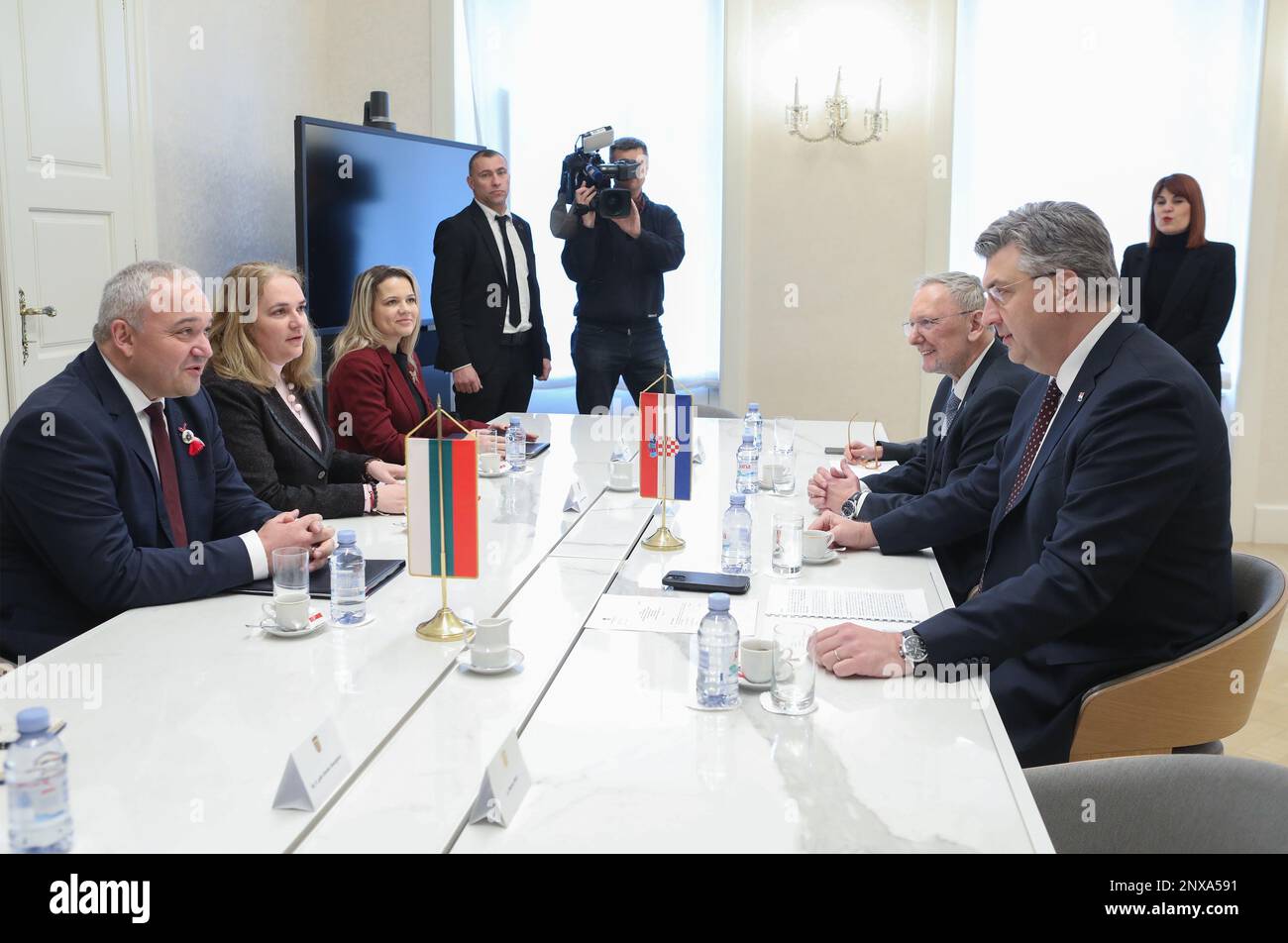
The departure of key personnel like Kandev highlights the challenges of maintaining institutional continuity in a volatile political climate. When senior staffers leave, the resulting gaps can affect the implementation of long-term security policies. Analysts often point to the high turnover rate in Bulgarian ministries as a factor that complicates the work of law enforcement agencies, which require stable leadership to address organized crime and border security issues effectively.
The public perception of these shifts is often colored by the lack of detailed explanations provided during transition periods. While Demerdzhiev has provided a narrative regarding his former colleague’s motivations, the broader discussion about political influence remains a recurring theme in Bulgarian domestic politics. Observers continue to monitor the ministry’s activities for signs of reform or continued political sensitivity as the country navigates ongoing legislative sessions.
Future Developments and Official Oversight
The next steps in this matter remain tied to the broader parliamentary oversight of the interior sector. The National Assembly’s Committee on Internal Security and Public Order serves as the primary body for reviewing ministerial staffing and policy decisions. Any future inquiries into the alleged external influence on the ministry would likely originate from this committee or through formal audits conducted by the National Audit Office of Bulgaria.
Readers interested in the official record of government appointments and the structural organization of the ministry are encouraged to consult the public registers maintained by the Council of Ministers. As the political landscape in Sofia continues to evolve, further updates on departmental leadership and administrative reforms are expected to be addressed in upcoming parliamentary briefings. We welcome your thoughts on these developments in the comments section below.
Keep reading