
Lionel Messi’s continued dominance at age 37 is not merely a product of natural talent, but a result of advanced neuroergonomics and physiological management. Experts suggest his ability to scan the pitch and process information allows him to bypass the physical decline typical of aging athletes through superior cognitive processing and recovery science.
The longevity of the Argentine forward, currently playing for Inter Miami CF in Major League Soccer, has shifted from a sporting curiosity to a subject of scientific inquiry. While traditional athletic models suggest a sharp decline in explosive speed and reaction times after the age of 30, Messi has maintained an elite competitive edge. This ability to remain at the pinnacle of global football involves a complex intersection of neurological efficiency, strict nutritional protocols, and data-driven recovery methods.
Neuroscientists and sports performance experts are increasingly looking at the “how” behind Messi’s sustained performance. The investigation focuses on three primary pillars: the cognitive processing of visual data, the metabolic management of his body, and the scientific optimization of his rest cycles. This multidisciplinary approach suggests that Messi’s “magic” is a measurable phenomenon of human biology and cognitive training.
How neuroscience explains Messi’s “walking” on the pitch
One of the most frequently discussed aspects of Messi’s playing style is his tendency to walk during large portions of a match. While casual observers often mistake this for a lack of intensity, sports neuroscientists describe it as a highly efficient visual search strategy. This behavior is essential for what experts call “scanning”—the process of constantly collecting spatial data about teammates, opponents, and the ball.
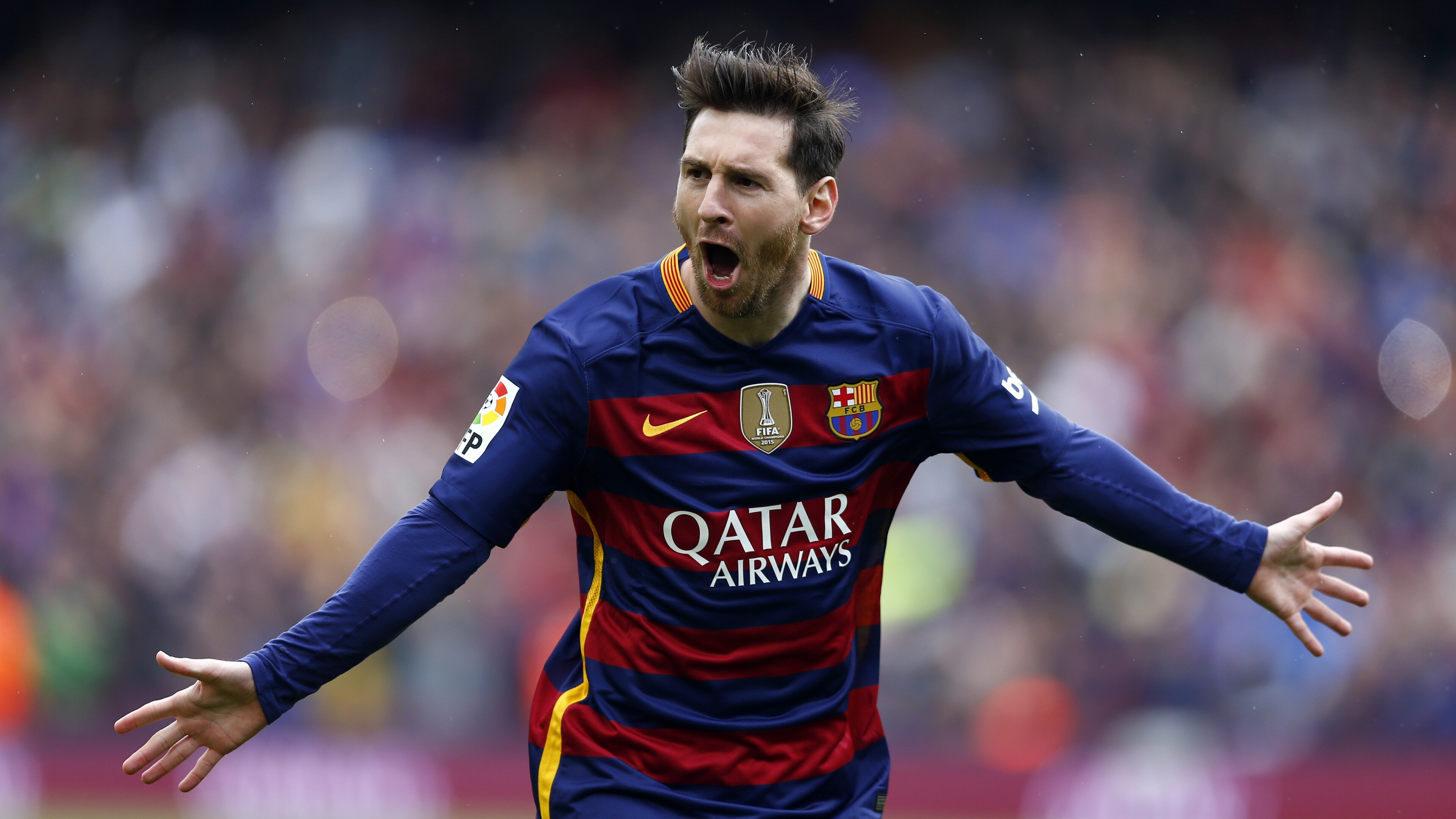
According to research into elite athletic performance, players who engage in frequent scanning can build a mental map of the pitch more effectively than those who remain in constant physical motion. This mental mapping allows for “anticipatory processing,” where the brain predicts where a player will be seconds before the action occurs. For Messi, this reduces the need for raw, explosive sprinting because he is often already positioned in the optimal space before the ball arrives.
This cognitive advantage allows him to manage his “cognitive load.” In high-pressure environments, the brain can become overwhelmed by the sheer volume of sensory input. By walking and scanning, Messi manages his energy expenditure while simultaneously feeding his brain the data required to make split-second, high-accuracy decisions. This efficiency is a hallmark of what neuroscientists identify as elite-level spatial intelligence.
The role of neuroergonomics in elite football performance
Dr. Néstor Braidot, a specialist in neuroergonomics, has identified Messi as an outlier in the realm of sports intelligence. Braidot argues that Messi possesses the brain of a “sports genius,” characterized by an ability to process complex information at a speed and accuracy level that exceeds the standard professional athlete. Neuroergonomics—the study of how the brain functions during work or high-performance tasks—provides a framework for understanding this advantage.
In the context of professional football, neuroergonomics involves optimizing the relationship between the brain and the body to maximize performance. For an athlete like Messi, this means ensuring that his neurological pathways are primed for rapid decision-making. This is not just about instinct; it is about the biological capacity to execute complex motor tasks under extreme physiological stress. The ability to maintain precision in passing and dribbling while the body is experiencing fatigue is a direct result of this neurological efficiency.
Experts note that while many players rely on physical dominance, Messi relies on a “cognitive-motor” synergy. This means his brain’s ability to command his muscles is highly refined, allowing for movements that appear effortless but are actually the result of hyper-efficient neural signaling. This distinction is critical for longevity, as it places less reliance on the raw, high-impact muscular force that typically leads to injury and decline in older players.
Managing the “bed, table, and laboratory”: The pillars of longevity
The phrase “the bed, the table, and the laboratory” has become a metaphor for the scientific rigor required to sustain an elite career into the late 30s. This holistic approach moves beyond simple training sessions and into the realm of biological management.
The Bed: Sleep and Circadian Optimization
Sleep is the most critical period for neurological and physical recovery. For elite athletes, sleep is treated as a performance tool rather than a passive state. Research indicates that optimized sleep cycles—specifically those that prioritize deep sleep and REM cycles—are essential for muscle tissue repair and the consolidation of motor skills learned during training. By managing his circadian rhythms, Messi can ensure that his cognitive sharpness remains high, even during the grueling travel schedules associated with international and club football.
The Table: Precision Nutrition
Nutrition for an athlete of Messi’s caliber is a matter of metabolic precision. The goal is to maintain a state of “low inflammation” and high energy availability. This involves a diet designed to support mitochondrial health, which is the engine of cellular energy. By controlling glycemic loads and ensuring an optimal intake of micronutrients, athletes can prevent the oxidative stress that leads to cellular aging and chronic injury.
The Laboratory: Biomechanics and Data
Modern professional football utilizes “the laboratory” in the form of wearable technology and biomechanical analysis. Every movement, stride length, and heart rate variability (HRV) metric is tracked and analyzed. This data allows coaching and medical staffs to tailor training loads to the individual, preventing overtraining and identifying early signs of fatigue or impending injury. This data-driven approach ensures that Messi is only performing the specific types of physical stress that will improve his performance without compromising his longevity.
Comparing the Messi model to traditional athletic aging
The following table compares the traditional trajectory of a professional footballer with the optimized model currently utilized by athletes like Messi to extend their careers.
| Feature | Traditional Aging Model | The Messi/Optimized Model |
|---|---|---|
| Primary Driver | Physical/Muscular dominance | Cognitive/Spatial dominance |
| Training Focus | Volume and high-intensity repetition | Data-driven, individualized load management |
| Decision Making | Reactive (responding to movement) | Anticipatory (predicting movement) |
| Recovery | Passive (rest after fatigue) | Active (sleep and nutritional optimization) |
| Injury Risk | High (due to muscular/mechanical wear) | Managed (through biomechanical monitoring) |
The future of sports science in professional football
The success of players like Messi is driving a shift in how football academies and professional clubs approach player development. There is a growing recognition that developing a player’s “football IQ” and neurological resilience is just as important as developing their physical strength. We are entering an era where the next generation of players will be trained not just in drills, but in cognitive training, visual search strategies, and metabolic management.

As sports science continues to evolve, the line between “natural talent” and “engineered performance” will continue to blur. While Messi’s innate ability will always be the foundation, the scientific frameworks supporting his career provide a roadmap for how elite performance can be sustained well into an athlete’s fourth decade. This intersection of biology and sport is redefining the limits of human potential on the pitch.
Messi’s next official appearance with Inter Miami CF is expected to be part of the upcoming MLS regular season schedule. Further updates regarding his fitness and availability for the Argentina national team are typically released through official club and federation medical bulletins.
What do you think about the role of science in modern football? Does Messi’s longevity change how you view the “prime” of an athlete? Share your thoughts in the comments below and share this article with your fellow football fans.
Worth a look