
Amazfit is expanding the functional capabilities of its high-end wearable lineup to support Hyrox, the global fitness competition series, through a targeted software update. This integration allows users to track specific metrics associated with the high-intensity functional training required for Hyrox events, signaling a strategic shift by parent company Zepp Health to capture the growing demographic of competitive hybrid athletes.
The update, which is rolling out to select models including the brand’s flagship trail-running devices, introduces specialized training modes designed to monitor the combination of running and functional exercises that define the sport. According to technical analysis from industry observers, the software enhancement focuses on more granular tracking of energy expenditure and heart rate recovery, two critical variables for athletes training for the intense, interval-based nature of Hyrox competitions.
Integration of Hyrox-Specific Training Tools
The core of the update involves the implementation of dedicated training profiles that account for the unique demands of Hyrox, which involves 1 kilometer of running followed by one functional workout station, repeated eight times. By incorporating these specific movement patterns into the device’s operating system, Zepp Health aims to provide more accurate data than standard multi-sport modes.
Industry data indicates that the Zepp OS platform is evolving to prioritize these specialized athletic requirements. The update is designed to assist users in managing their pace during the running segments while monitoring physiological strain during the functional stations, such as sled pushes, burpees, and wall balls. For athletes, this represents a move toward more precise performance analytics rather than generic activity logging.
Hardware Focus: The Cheetah 2 Ultra and Beyond
While the software update is reaching a broader ecosystem of devices, the focus remains on the company’s performance-oriented hardware, most notably the Cheetah series. These devices are engineered for demanding environments, ranging from mountainous terrain to endurance-heavy ultramarathons. The inclusion of Hyrox features highlights the manufacturer’s intent to position these smartwatches as versatile tools for both outdoor trail runners and indoor hybrid athletes.

Technical reviews of the Amazfit Cheetah 2 Ultra emphasize its robust build quality and advanced GPS tracking, which are essential for trail-based endurance sports. By adding Hyrox-specific tracking, the company is attempting to bridge the gap between outdoor endurance hardware and the specific data needs of indoor functional fitness. This multi-discipline approach is increasingly common among wearable manufacturers looking to differentiate their products in a saturated market.
What the Zepp OS 6 Update Entails
The broader rollout of Zepp OS 6 brings several functional improvements to the Amazfit ecosystem, extending beyond the Hyrox-specific tools. Users can expect enhanced power management, which is critical for long-duration activities, as well as refined sleep and recovery metrics that integrate with the new training data. These updates are intended to provide a more holistic view of the user’s physical condition.
According to official company documentation regarding OS updates, the focus of this iteration is on “intelligent coaching” and data accuracy. By better syncing heart rate variability (HRV) data with training load, the software helps prevent overtraining, a common challenge for athletes preparing for high-intensity competitions like Hyrox. This software-first strategy allows Amazfit to keep its existing hardware relevant without requiring users to purchase new devices every year.
Market Positioning and Future Outlook
The decision to lean into the Hyrox market reflects a broader industry trend where wearable technology is becoming increasingly specialized. By targeting a specific sport with a rapidly growing global following, Amazfit is attempting to secure a loyal user base that values data-driven training. This strategy contrasts with competitors that focus primarily on general wellness or casual activity tracking.
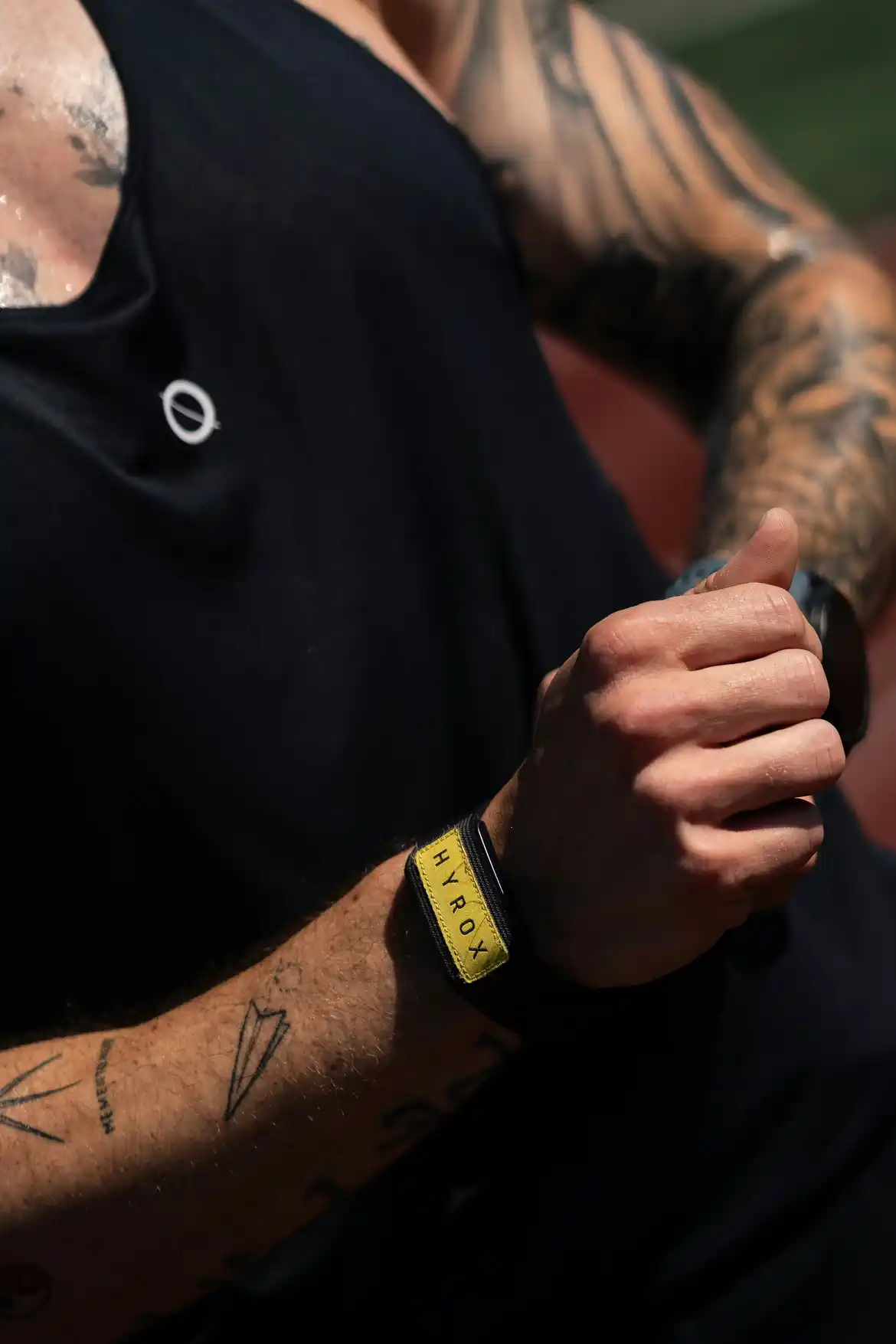
The next phase for the company involves gathering user feedback on the accuracy of the new training modes during actual competition conditions. As the wearable market continues to mature, the ability to provide sport-specific, verified data will likely become a primary differentiator for hardware manufacturers. Users interested in the latest features are encouraged to check for firmware updates directly through the Zepp application on their mobile devices, as deployment schedules can vary by region and specific model iteration.
We invite readers to share their experiences with these new training features in the comments section below, particularly if you have tested them during a competitive event or high-intensity training session.