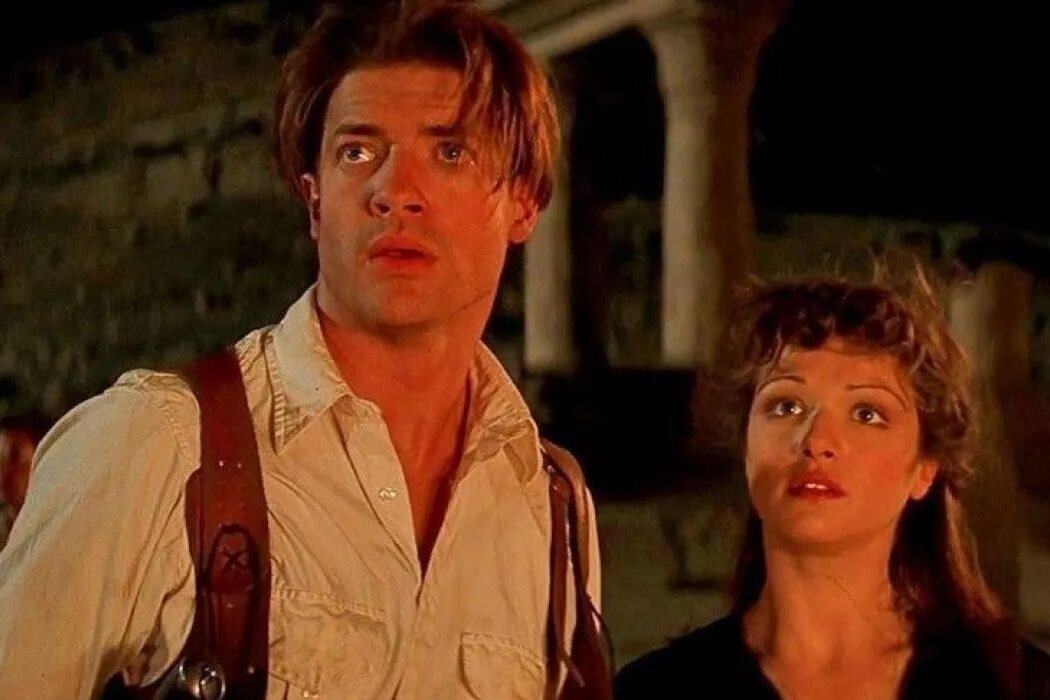
For fans of the high-stakes, supernatural, and globe-trotting thrills found in 1999’s The Mummy, the action-adventure genre offers a rich library of cinematic experiences. Combining historical mystery with fast-paced stunts and a sense of wonder, the best action movies like The Mummy balance humor, peril, and iconic hero archetypes to create enduring entertainment. Whether it is the pursuit of lost artifacts or racing against time in dangerous locales, these films define the gold standard of the genre.
The cinematic DNA of Stephen Sommers’ The Mummy—which grossed over $416 million worldwide according to Box Office Mojo—shares its roots with the pulp serials of the 1930s. This tradition emphasizes a “race against the clock” dynamic, often involving ancient curses or legendary treasures protected by formidable adversaries. Understanding why these films resonate requires looking at the specific blend of archaeological discovery and relentless pacing that keeps audiences invested in the protagonist’s survival.
The Foundations of the Adventure Archetype
No discussion of modern adventure cinema is complete without acknowledging the influence of the Indiana Jones series. Specifically, Indiana Jones and the Last Crusade (1989) serves as a foundational text for the genre, featuring a complex dynamic between Indiana and his father, Henry Jones Sr., played by Sean Connery. According to the American Film Institute, the film’s blend of historical myth and character-driven stakes set a precedent for how to weave emotional depth into a high-octane narrative.

The film’s reliance on historical settings—ranging from the catacombs of Venice to the canyons of Petra—established the “archaeological thriller” as a viable blockbuster format. By grounding the fantastical elements of the Holy Grail in the very real, terrifying context of the Nazi regime, the film elevated the stakes beyond simple treasure hunting. This structural approach is a direct ancestor to the tone found in the Brendan Fraser-led adventures of the late 90s.
Essential Action Films for Fans of The Mummy
When selecting the best action movies for those who appreciate the supernatural puzzles and charismatic leads of The Mummy, the focus remains on films that prioritize world-building and physical performance. The following titles are frequently cited by critics and audiences as essential viewing within the genre:

- Raiders of the Lost Ark (1981): The definitive template for the modern adventure film, directed by Steven Spielberg and produced by George Lucas. It famously pits an academic adventurer against occult-obsessed forces.
- National Treasure (2004): A modern-day take on the genre that brings historical riddles to the streets of America, focusing on the preservation of historical artifacts.
- Romancing the Stone (1984): Robert Zemeckis’ classic comedy-adventure captures the essential “reluctant hero” chemistry that audiences adore in The Mummy.
- Jumanji: Welcome to the Jungle (2017): This film successfully translates the “trapped in a deadly game” concept into a high-energy action spectacle, modernizing the jungle-adventure trope for a new generation.
- The Rundown (2003): Featuring Dwayne Johnson, this film combines classic “buddy action” tropes with an exotic, dangerous jungle setting, echoing the tone of 1930s serials.
Each of these films maintains a balance between levity and danger, ensuring that the audience remains connected to the characters even as the stakes reach impossible heights. According to records from the Internet Movie Database (IMDb), these titles consistently rank high in user-curated lists for the action-adventure genre, reflecting their lasting appeal to fans of the style.
Why the “Archaeological Thriller” Endures
The enduring popularity of these films lies in the “what if” factor. Audiences are consistently drawn to the idea of uncovering secrets that have been hidden for centuries. As noted by film historians at the British Film Institute (BFI), the genre relies on the tension between the academic—the study of the past—and the physical—the necessity of surviving the traps that guard it. This dichotomy provides a natural structure for screenwriters: each discovery leads to a new obstacle, and each obstacle requires the hero to evolve.
Furthermore, the inclusion of historical antagonists, such as the Nazis in The Last Crusade, provides a clear moral compass. By placing the protagonist in opposition to regimes that sought to use historical artifacts for destructive power, the films transform a simple treasure hunt into a moral imperative. This adds a layer of weight that elevates the film from a mere chase sequence to a battle for history itself.
Looking Ahead: The Future of the Adventure Genre
As studios continue to revisit classic IP, the appetite for high-concept adventure remains strong. Recent industry reports from Variety indicate that audiences are increasingly seeking films that offer a “theatrical escape”—large-scale productions that utilize practical sets and location shooting to ground the fantastical elements in reality. While digital effects have evolved significantly since the 1999 release of The Mummy, the reliance on the “human element”—the chemistry between cast members and the physical stunt work—remains the primary driver of audience satisfaction.
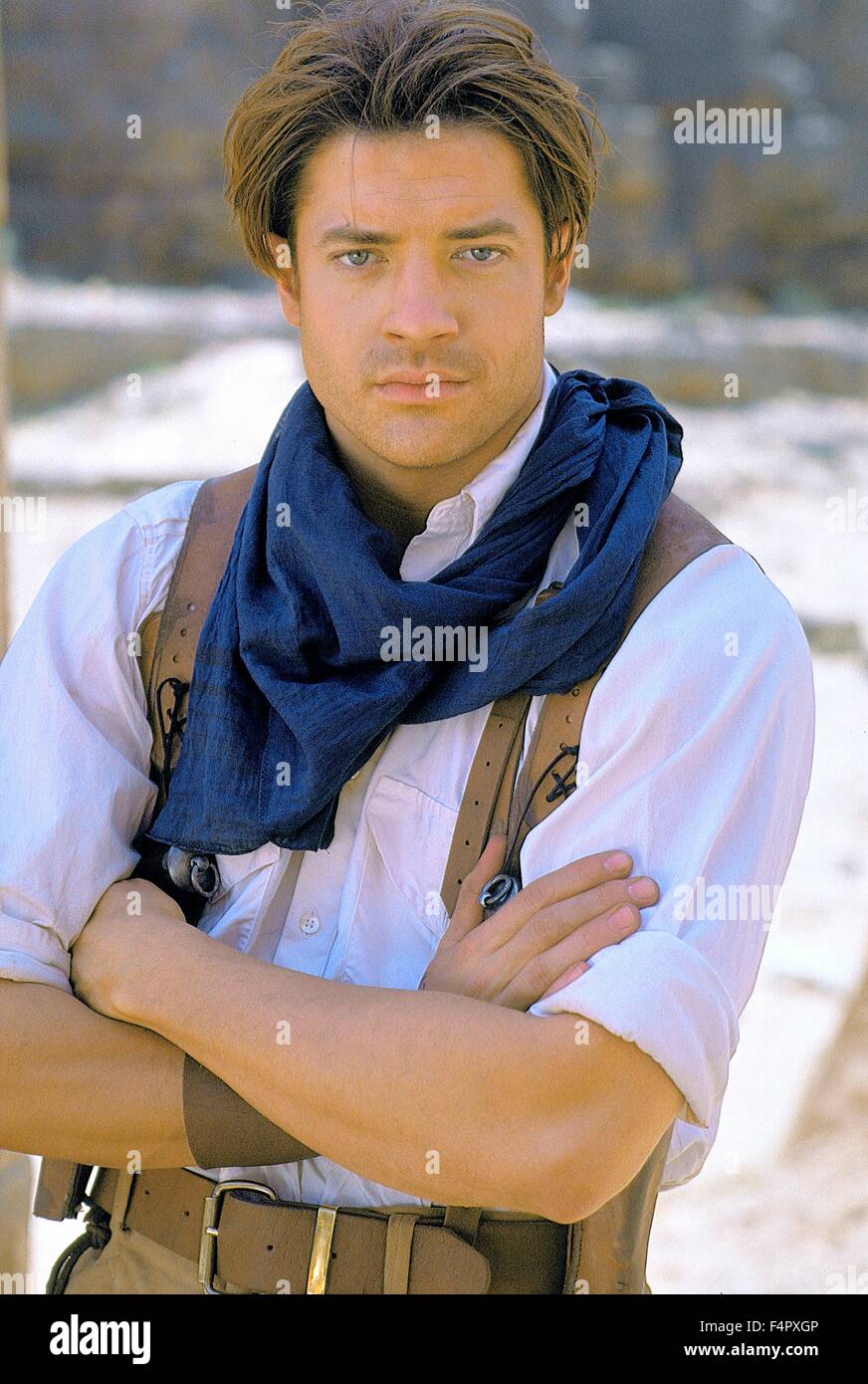
For fans looking to keep track of upcoming releases in the action-adventure space, major studio slates from companies like Disney and Warner Bros. provide the most reliable information on future projects. Readers are encouraged to check official studio press releases for confirmation on production schedules and release dates. Share your favorite moments from these classic adventure films in the comments section below, and join the conversation on what makes a perfect action movie.
Related reading