
Medical researchers are increasingly prioritizing a holistic framework to address the intersection of cardiovascular, renal, and metabolic (CVRM) conditions, recognizing that these systems are deeply interconnected rather than isolated health concerns. This integrated approach emphasizes early detection and lifestyle modifications to mitigate the risk of chronic disease progression, according to guidelines from the American Heart Association. By treating these conditions as a unified spectrum, clinicians aim to improve patient outcomes through more precise, preventative interventions.
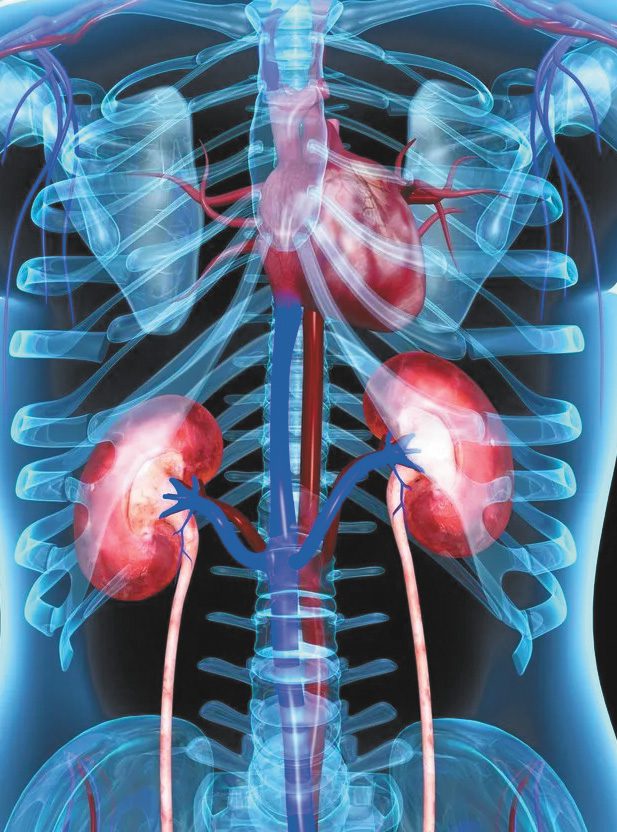
The concept of CVRM health highlights that damage to one organ system—such as the kidneys—often accelerates dysfunction in the heart and metabolic processes, including blood sugar regulation. This shift in clinical perspective represents a departure from traditional, siloed medicine, which often treated hypertension, diabetes, and chronic kidney disease as separate entities. According to the National Kidney Foundation, the heart and kidneys share a symbiotic relationship; when one fails, the other is statistically more likely to experience complications, creating a feedback loop of systemic decline.
Understanding the Interconnectedness of CVRM
The clinical shift toward managing CVRM as a single entity is driven by evidence that cardiovascular disease is the leading cause of death in patients with chronic kidney disease. When the kidneys are unable to filter waste effectively, the resulting fluid retention and electrolyte imbalances place significant strain on the cardiovascular system. This, combined with systemic inflammation often found in metabolic disorders like Type 2 diabetes, creates a high-risk environment for patients.
Research published in the Lancet suggests that early intervention using SGLT2 inhibitors and other modern pharmacotherapies can protect both cardiac and renal function simultaneously. This dual-benefit approach is a cornerstone of modern public health strategy, as it addresses the underlying metabolic drivers before irreversible organ damage occurs. Physicians now advocate for routine screening of kidney function—specifically estimated glomerular filtration rate (eGFR) and albuminuria—in patients already diagnosed with heart disease or diabetes to catch these systemic shifts in their earliest stages.
The Role of Early Detection and Lifestyle
Early detection remains the most effective tool in preventing the escalation of CVRM conditions. Because many of these diseases—particularly early-stage hypertension and kidney disease—are asymptomatic, regular diagnostic blood and urine tests are essential. According to the World Health Organization, individuals can significantly reduce their risk of developing severe complications through consistent physical activity, a balanced diet low in sodium and processed sugars, and the cessation of tobacco use.
Lifestyle modifications act as the foundation upon which pharmacological treatments are built. While medications can manage specific markers such as blood pressure or glucose levels, they are most effective when paired with sustainable changes to daily habits. Clinical data indicates that even modest reductions in weight and consistent aerobic exercise can improve insulin sensitivity and reduce the workload on the heart and kidneys, effectively slowing the progression of metabolic syndrome.
Clinical Challenges and Future Directions
Despite the benefits of an integrated CVRM approach, healthcare systems face significant hurdles in implementation. Many primary care settings remain structured around specialty-specific visits, which can lead to fragmented care for patients with multiple comorbidities. The Centers for Disease Control and Prevention emphasizes that coordinated care models, where multidisciplinary teams communicate regularly, are necessary to bridge these gaps and ensure that treatment plans are comprehensive and patient-centered.
Looking ahead, the focus is moving toward precision medicine, where genetic markers and digital health monitoring tools provide clinicians with a more granular view of a patient’s risk profile. Wearable technology that monitors heart rate variability and blood glucose levels in real-time is expected to play an increasing role in proactive disease management. These tools allow for “just-in-time” interventions, where adjustments to medication or lifestyle can be made before a patient reaches a crisis point.
Summary of Preventative Measures
Managing cardiovascular, renal, and metabolic health requires a proactive, rather than reactive, approach. Patients are encouraged to consult with their primary care physicians regarding the following steps:
- Routine Screenings: Annual blood pressure, glucose, and kidney function panels.
- Dietary Adjustments: Reducing intake of ultra-processed foods and increasing fiber-rich, whole-food options.
- Physical Activity: Aiming for at least 150 minutes of moderate-intensity aerobic activity per week, as recommended by health authorities.
- Integrated Care: Ensuring that all specialists involved in a patient’s care are informed of their full medical history to prevent conflicting treatments.
The next major update regarding international guidelines for managing these systemic risks is expected at the upcoming European Society of Cardiology congress, where new clinical trial data on multi-organ protective therapies will be presented. Patients and healthcare providers are encouraged to stay informed through official updates from their local health departments and professional medical associations. Share your thoughts on how integrated care has impacted your own health journey in the comments section below.
Keep reading