
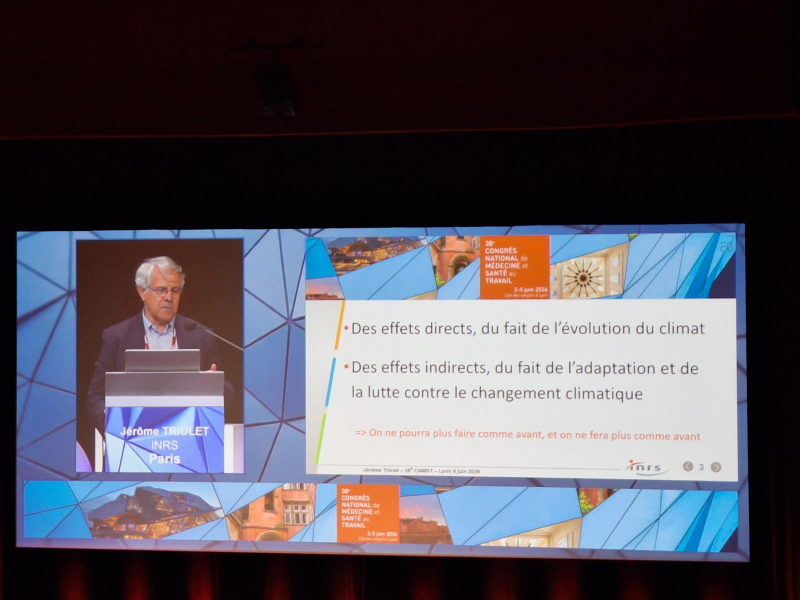
Climate change is increasingly reshaping the global labor market, forcing businesses to fundamentally alter operational strategies to protect worker health, safety, and productivity. According to the International Labour Organization (ILO), rising global temperatures are directly linked to increased occupational risks, including heat stress, chronic kidney disease, and higher rates of workplace accidents. As extreme weather events become more frequent, companies across sectors—particularly in agriculture, construction, and manufacturing—face the urgent necessity of integrating climate adaptation into their core business models.
The economic implications of these shifts are significant. Data from the World Bank indicates that climate-related productivity losses could cost the global economy billions annually if mitigation and adaptation measures are not implemented. For employers, this means moving beyond basic compliance to address the indirect effects of a warming planet: disrupted supply chains, fluctuating energy costs, and the physical degradation of infrastructure that threatens employee well-being.
The Direct Link Between Heat Stress and Workplace Productivity
Occupational safety is no longer confined to traditional hazards like machinery or hazardous materials; heat stress has emerged as a primary concern for the modern workforce. The World Health Organization (WHO) reports that prolonged exposure to excessive heat increases the risk of heatstroke and cardiovascular strain, particularly for outdoor workers. As the planet warms, the threshold for safe physical labor is being tested, requiring firms to implement mandatory rest breaks, hydration protocols, and, in some cases, the rescheduling of labor-intensive tasks to cooler hours of the day.
Beyond physical health, heat stress is a documented driver of decreased cognitive function and slower reaction times. A study published by the National Bureau of Economic Research (NBER) suggests that labor productivity declines significantly as temperatures rise beyond 25 degrees Celsius (77 degrees Fahrenheit). For businesses, this translates to tangible economic losses, as the time required to complete standard tasks increases and the incidence of workplace errors rises, creating a cascade effect on quality control and overall operational efficiency.
Infrastructure Resilience and Operational Continuity
The physical environment of the workplace is also under pressure. Extreme weather events, such as flooding and severe storms, represent an immediate threat to business continuity. The Intergovernmental Panel on Climate Change (IPCC) emphasizes that existing infrastructure in many urban and industrial zones was not designed to withstand current levels of climate volatility. This creates a dual burden: companies must invest in retrofitting facilities while simultaneously planning for the possibility of supply chain interruptions caused by damaged transportation networks.

Risk mitigation strategies now often include the diversification of supply chains and the adoption of decentralized energy solutions. By reducing reliance on a single geographic location or a vulnerable power grid, firms aim to maintain operations during localized climate-driven outages. According to the World Economic Forum, the integration of climate-risk assessments into financial planning is now a fiduciary duty for executives, as investors increasingly demand transparency regarding how a company plans to survive and thrive in a changing climate.
Adapting the Workforce to a Warming World
Adapting to these changes requires a cultural shift within organizations. This involves training managers to identify early signs of heat-related illness and empowering employees to pause work when conditions become dangerous. Regulatory bodies, such as the U.S. Occupational Safety and Health Administration (OSHA), are increasingly focusing on the development of heat-specific standards to provide a legal framework for worker protection. These mandates serve as a baseline, but industry leaders are often moving faster, implementing internal policies that exceed government requirements to ensure long-term workforce retention.
The transition to a climate-resilient workplace also presents an opportunity for innovation. Companies that invest in sustainable cooling technologies, improved site ventilation, and flexible scheduling software are finding that these adaptations often lead to broader operational improvements. By prioritizing the health of the workforce as a core business asset, these organizations are better positioned to navigate the economic volatility associated with an era of rapid climate change.
Looking Ahead: Regulatory and Operational Milestones
The regulatory landscape regarding climate and labor is evolving rapidly. International bodies, including the United Nations Framework Convention on Climate Change (UNFCCC), are expected to release updated guidance on national adaptation plans throughout 2025. Businesses should monitor these developments closely, as they will likely influence future national labor laws and corporate sustainability reporting requirements. Monitoring official updates from national labor ministries and local health departments remains the most effective way for management teams to ensure compliance and maintain a safe working environment.

We invite our readers to share their experiences regarding how your workplace is adapting to changing environmental conditions. Have you observed new safety policies or infrastructure changes in your industry? Please join the discussion in the comments section below to contribute to our ongoing coverage of the intersection between business, labor, and the climate crisis.