
The Indonesian Directorate General of Taxes (DJP) has formally seized two bank accounts belonging to a taxpayer identified as PT AG, following the company’s failure to meet its outstanding tax obligations. According to official reports from the tax authority, the seized accounts contained a combined balance of Rp33.49 billion, a sum now held by the state as part of the asset-freezing process to secure tax arrears.
This enforcement action is part of a broader, ongoing campaign by the Indonesian government to improve tax compliance and address significant revenue shortfalls. Tax authorities, particularly through local offices such as the Large Taxpayer Office (KPP WP Besar), have intensified their use of “gijzeling” (tax imprisonment) and asset seizure, including properties and financial instruments, to recover overdue payments from both individual and corporate entities. The seizure of PT AG’s assets highlights the DJP’s authority under Law No. 19 of 1997, as amended by Law No. 19 of 2000, which governs the collection of taxes through forced warrants (Surat Paksa).
Legal Framework for Tax Asset Seizure
The seizure of PT AG’s accounts is not an isolated incident but a reflection of the Ministry of Finance’s current stance on fiscal enforcement. Under Indonesian tax law, when a taxpayer fails to settle their debt within the designated time frame following the issuance of a tax collection letter (Surat Tagihan Pajak) and a warning letter (Surat Teguran), the tax collector may issue a warrant to seize assets. This process allows the government to secure funds or properties—including bank accounts, vehicles, and real estate—to ensure the eventual payment of the tax liability.

The legal basis for these actions is outlined in Law No. 19 of 2000 regarding Tax Collection with Forced Warrants. According to the regulation, the seizure is intended to serve as a guarantee for the state. If the taxpayer continues to default on their obligations after the seizure, the government maintains the legal authority to auction the assets or liquidate the bank accounts to cover the outstanding debt, interest, and administrative penalties.
Recent Enforcement Trends
Recent data from the DJP indicates a significant uptick in aggressive collection efforts across various regions. In addition to the seizure of cash assets, tax offices have increasingly targeted physical properties. For instance, the Large Taxpayer Office has recently executed the seizure of three apartment units located in the Kelapa Gading area of North Jakarta, belonging to a steel industry entrepreneur who failed to meet tax commitments. Similar actions have been reported in other jurisdictions, such as Purbalingga, where local tax officials seized assets from multiple delinquent taxpayers to address outstanding debts.
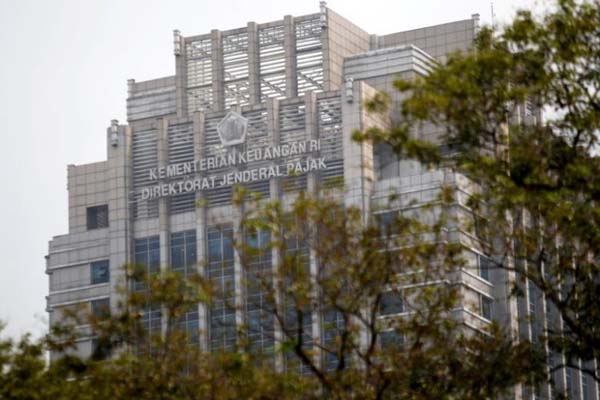
The scale of these arrears varies significantly, with some cases involving individual taxpayers and others involving large corporations. In a separate, high-profile enforcement measure, the tax authority moved to block the shares of five different taxpayers who had accumulated tax arrears totaling Rp3.4 billion, as detailed in reports regarding ongoing DJP enforcement actions on equity holdings. These actions serve as a signal to the business community that the tax office is utilizing a wider array of financial tools to secure state revenue.
Why Tax Compliance Matters for Corporations
For corporate entities, the impact of a tax seizure extends beyond the immediate loss of liquidity. A frozen bank account can severely disrupt operational cash flow, affecting payroll, vendor payments, and supply chain stability. Furthermore, such actions are often preceded by a lengthy administrative process, meaning that by the time a seizure occurs, the taxpayer has typically exhausted other avenues for resolution, such as installment agreements or requests for tax postponement.
The Ministry of Finance regularly encourages taxpayers to utilize the existing “tax amnesty” or voluntary disclosure programs when available, or to communicate directly with their Account Representatives (AR) to restructure debts before reaching the stage of forced collection. Failure to engage with the KPP (Kantor Pelayanan Pajak) often leaves the authorities with little choice but to initiate the seizure process to protect the state budget.
Next Steps in the Enforcement Process
Following the seizure of the Rp33.49 billion from PT AG’s accounts, the funds will be held in a state-controlled account while the administrative process continues. If the taxpayer settles the outstanding tax, interest, and penalties within the period stipulated by law, the seizure can be lifted. However, if the debt remains unpaid, the DJP is authorized to proceed with the transfer of these funds into the state treasury as payment for the tax liability.

Taxpayers seeking to verify their current status or those wishing to avoid similar enforcement actions are encouraged to monitor their accounts via the official DJP Online portal, where they can check for outstanding tax notices and communicate with their assigned tax office. As this situation continues to evolve, further updates regarding the status of PT AG’s remaining obligations will be managed through official channels of the Directorate General of Taxes. Readers are encouraged to share their views or ask questions regarding these procedures in the comments section below.
Worth a look