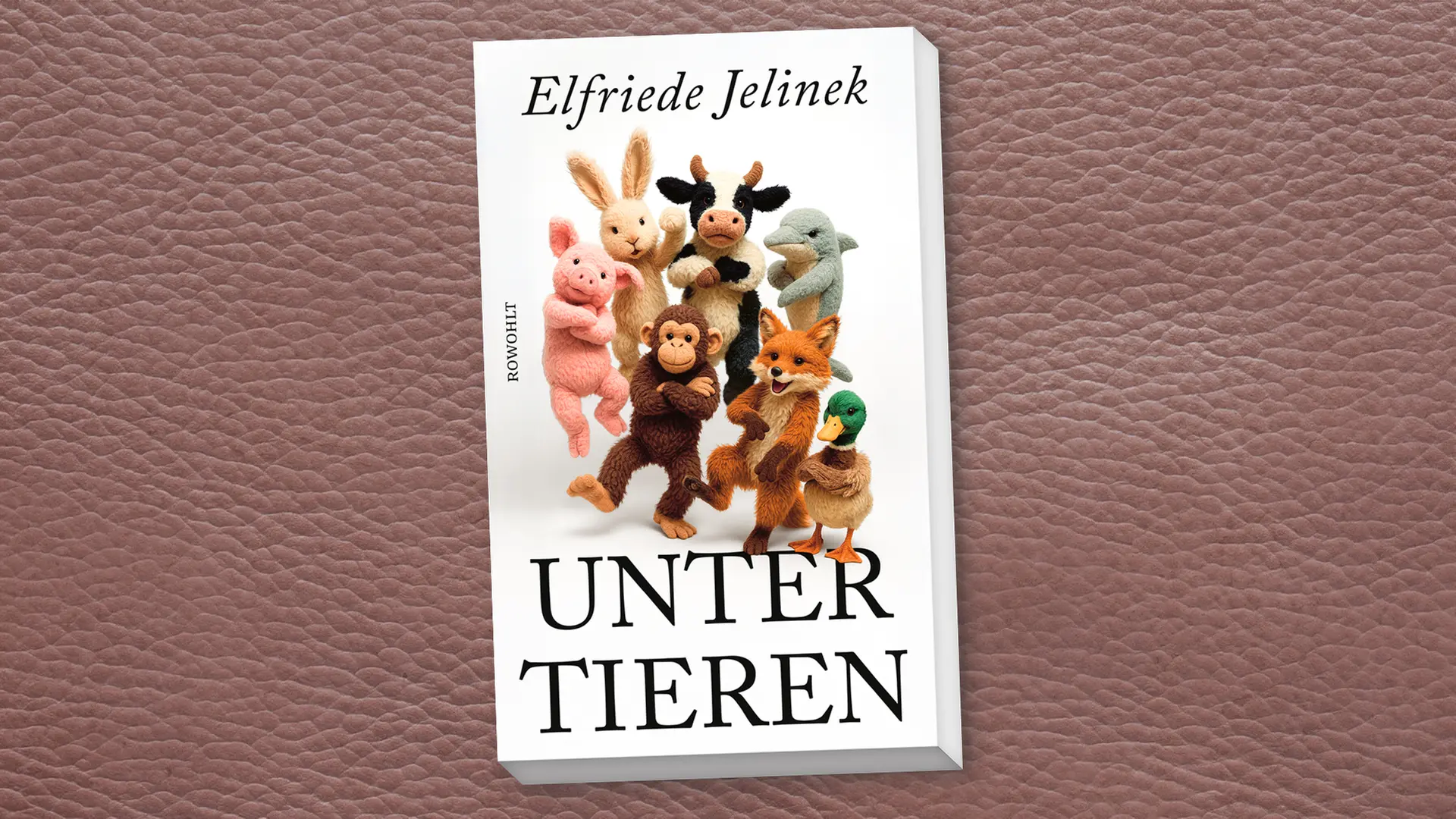
Nobel laureate Elfriede Jelinek has returned to the intersection of global finance and human behavior in her latest literary work, Unter Tieren. The text, which examines the corrosive influence of financial systems on modern society, utilizes the author’s signature blend of sharp-witted critique and linguistic precision to map how capital dictates the survival instincts of the individual. According to documentation from the Elfriede Jelinek Research Center, the work continues her long-standing exploration of power dynamics, specifically how abstract economic flows translate into tangible, often predatory, social hierarchies.
The Thematic Focus of Unter Tieren
At the center of Unter Tieren is the transformation of human interaction into a transactional landscape. Jelinek, known for her Nobel Prize-winning career, treats money not merely as a medium of exchange, but as a biological force that compels humans to act like the “animals” referenced in the title. By stripping away the veneer of civil society, the text highlights how financial insecurity and the pursuit of wealth distort personal relationships and moral boundaries.
The work functions as a continuation of themes previously explored in her expansive bibliography, including her critiques of Austrian society and global capitalism. Experts in German-language literature often note that Jelinek’s style—characterized by dense, rhythmic prose—serves to mirror the relentless, grinding nature of the systems she critiques. Her approach ensures that the reader is not merely observing the economic crisis but experiencing the linguistic pressure of the capitalist structure itself.
Literary Context and Stylistic Evolution
Elfriede Jelinek has consistently used her platform to challenge institutional complacency. Her body of work, which includes the internationally recognized novel The Piano Teacher (Die Klavierspielerin), often focuses on the intersection of private suffering and public systems. In Unter Tieren, this focus remains sharp, as she navigates the complexities of contemporary financial flows that often appear invisible to the average citizen.
The author’s technique relies heavily on intertextuality and the deconstruction of common cultural myths. By referencing both high-brow philosophy and mundane economic jargon, Jelinek exposes the absurdity inherent in modern financial logic. This method of writing, often described as “language-work” (Spracharbeit), requires the reader to actively engage with the text rather than passively consume a narrative. It is a hallmark of her literary contributions, which have solidified her status as one of the most significant voices in contemporary European literature.
Why Financial Critique Remains Central to Her Work
The relevance of Jelinek’s focus on finance is underscored by the ongoing global discussions regarding wealth inequality and the erosion of the middle class. By framing these issues through the lens of animalistic survival, she forces a confrontation with the “survival of the fittest” narrative often used to justify economic disparities. Her work suggests that when money becomes the primary objective of existence, the human capacity for empathy is effectively neutralized.
Readers and scholars looking to understand the mechanics of her latest work can find ongoing analysis through the Hanser Literaturverlage, which publishes her primary texts. Her ability to remain relevant across decades is attributed to her refusal to offer easy solutions. Instead, she provides a mirror to the reader, reflecting the uncomfortable realities of a world dominated by market fluctuations and the commodification of human life.
Future Developments and Critical Reception
As Unter Tieren continues to circulate in the literary sphere, critics and academic institutions are expected to produce further commentary on its place within Jelinek’s broader opus. The work serves as a reminder of the author’s commitment to political engagement through art. For those interested in the evolution of her thought, her official archive provides a comprehensive look at the chronology of her publications and the thematic threads that connect them.

The conversation surrounding Jelinek’s work is far from static. Readers are encouraged to follow updates from major literary journals and the Nobel Foundation archives for upcoming discussions, symposiums, or potential translations that may bring Unter Tieren to a wider international audience. We invite our readers to share their thoughts on how Jelinek’s critique of the financial sector resonates with current global economic conditions in the comments section below.
Keep reading