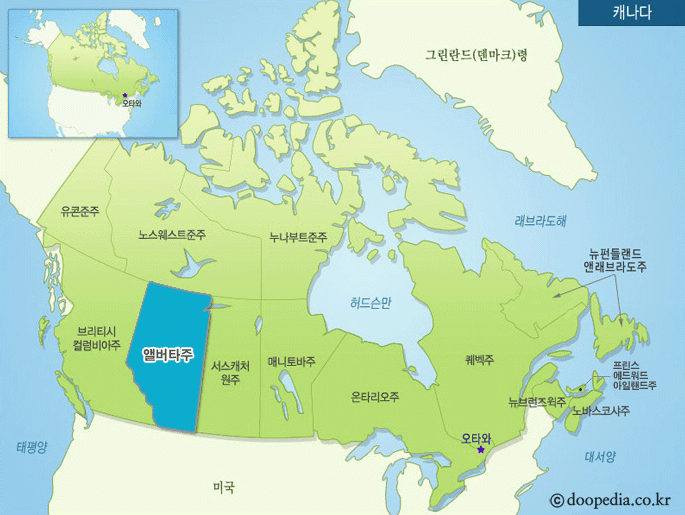
South Korean trade authorities are actively working to expand the importation of crude oil from Alberta, Canada, leveraging existing preferential tariff structures under the Canada-Korea Free Trade Agreement (CKFTA). Recent diplomatic and administrative engagements between Seoul and provincial officials from Alberta highlight a strategic shift toward diversifying energy sources to enhance national supply chain resilience.
According to the Korea Customs Service, discussions regarding energy cooperation have intensified as both nations seek to capitalize on the trade framework that eliminates duties on various energy products. The initiative aims to stabilize domestic energy costs and reduce reliance on traditional Middle Eastern oil supplies by tapping into Alberta’s significant bitumen and synthetic crude oil production capacity.
Strategic Energy Cooperation and the CKFTA Framework
The Canada-Korea Free Trade Agreement, which officially entered into force on January 1, 2015, serves as the legal bedrock for these expanded energy imports, as confirmed by the Government of Canada. Under this agreement, the vast majority of industrial goods, including energy commodities, benefit from duty-free access, providing a clear economic incentive for South Korean refineries to source Canadian product.

Alberta, which holds the world’s third-largest oil reserves, has been a central focus for Korean energy planners. By streamlining customs procedures and aligning regulatory expectations, the Korea Customs Service is attempting to minimize the logistical friction often associated with importing heavy crude from North America. This cooperation is part of a broader Ministry of Trade, Industry and Energy strategy to ensure energy security through the diversification of import origins.
Addressing Logistical and Economic Hurdles
While the tariff benefits are established, the expansion of Alberta-sourced oil faces significant logistical challenges, primarily related to the distance between Western Canada and South Korean ports. Unlike regional suppliers, shipping crude from the Pacific coast of Canada requires specialized tanker coordination and long-term supply commitments.
Industry analysts note that the economic feasibility of these shipments often depends on the “spread” between Western Canadian Select (WCS) prices and global benchmarks like Brent or Dubai crude. According to the Alberta Energy Regulator, the province continues to invest in pipeline and rail infrastructure to reach tidewater, which is a necessary precursor to sustaining higher export volumes to Asian markets.
Why Energy Diversification Matters for South Korea
South Korea remains one of the world’s top importers of crude oil, with a heavy historical dependence on the Middle East. By increasing imports from Canada, Seoul aims to mitigate the risks associated with geopolitical instability in the Strait of Hormuz.

The current push is not merely about volume but about the quality of crude. Alberta’s synthetic crude is often preferred by complex refineries in South Korea that are designed to process heavy, sour grades. As these refineries look to optimize their output of high-value refined products, the Canadian supply offers a consistent, market-based alternative that operates under stable, transparent regulatory conditions.
Next Steps in Trade Relations
The Korea Customs Service has indicated that it will continue to monitor the utilization rates of the CKFTA and provide administrative support to companies looking to expand their Canadian procurement pipelines. Further discussions are expected to take place during upcoming bilateral trade committee meetings, where the focus will likely shift toward improving tanker turnaround times and port-side infrastructure efficiency.
Readers interested in following the progress of these trade developments can find official updates through the Korea Customs Service portal, which provides detailed reports on FTA utilization and trade statistics. We invite our readers to share their perspectives on the impact of this diversification strategy on global energy markets in the comments section below.