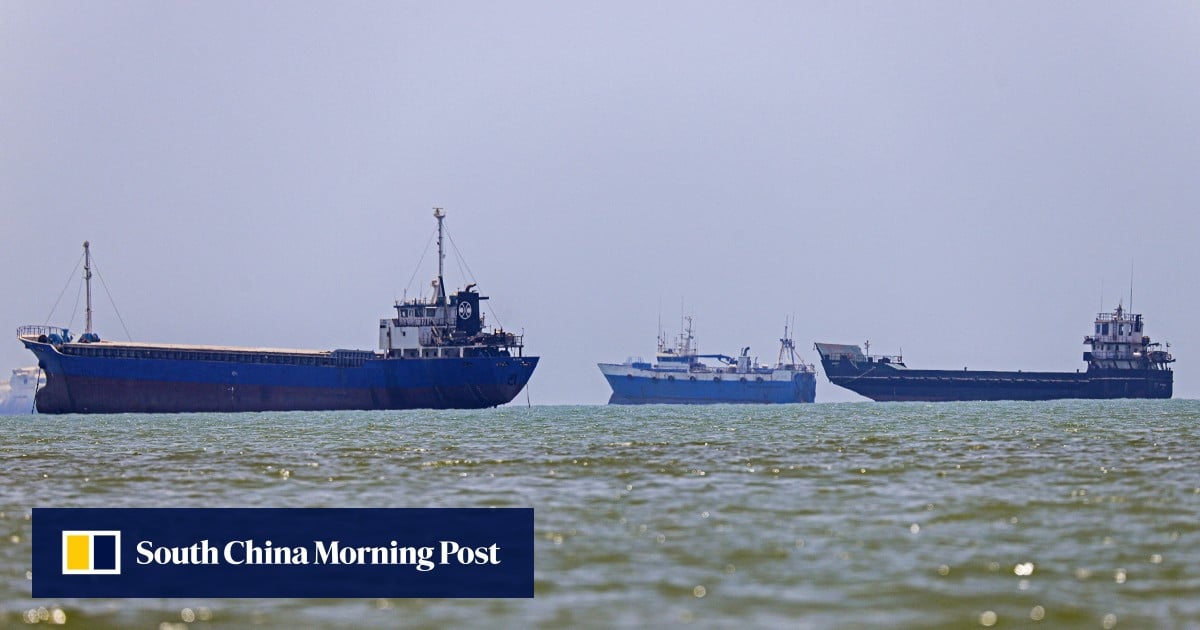
Iran has suspended plans to impose transit fees on commercial vessels traversing the Strait of Hormuz for a 60-day period, following the signing of a memorandum of understanding with the United States. The decision, which aims to de-escalate regional maritime tensions, mandates that all vessels seeking passage must submit transit requests to the Persian Gulf Strait Authority at least 48 hours prior to arrival. During this two-month window, the authority will waive costs related to security, safety, and environmental services, according to an official notice released by the agency.
The Strait of Hormuz serves as one of the world’s most critical maritime chokepoints, through which approximately 20% of the world’s total petroleum consumption passes daily, according to data from the U.S. Energy Information Administration (EIA). The suspension of these fees is widely viewed by market analysts as a stabilization measure designed to prevent disruptions to global energy supplies while diplomatic channels remain open. The 60-day window provides a temporary reprieve for shipping companies, who have faced rising insurance premiums and operational uncertainties in the Persian Gulf.
Operational Requirements for Commercial Transit
Under the terms of the temporary agreement, the Persian Gulf Strait Authority has streamlined the administrative process for merchant vessels. Ship operators are required to provide notification of their transit intentions to ensure compliance with the safety protocols currently in place. By requiring a 48-hour notice, the authority maintains oversight of maritime traffic while removing the financial burden of transit-related fees that were previously under consideration by Iranian officials.

The waiver covers a comprehensive range of fees, including those designated for environmental protection and maritime safety. While the fees are suspended, the authority has indicated that it retains the right to monitor transit activities to ensure that all participating vessels adhere to international maritime law. This shift in policy is a notable departure from earlier rhetoric regarding the potential implementation of new toll structures in the region, which had raised concerns among international shipping insurers and energy commodity traders.
Impact on Global Energy Markets
Energy markets have reacted with relative caution to the announcement, as traders weigh the 60-day negotiation period against long-standing geopolitical volatility. The Strait of Hormuz remains a central focus for the International Monetary Fund (IMF), which frequently cites the stability of regional trade routes as a prerequisite for global economic growth. For the shipping industry, the removal of potential fees offers a predictable, albeit short-term, cost structure, allowing for more accurate freight rate forecasting.
The memorandum of understanding serves as a framework for ongoing discussions between Tehran and Washington. While the agreement focuses primarily on maritime transit, it reflects a broader effort to mitigate the risk of accidental confrontation in the Persian Gulf. Shipping firms are advised to monitor updates from the U.S. Maritime Administration (MARAD) for any changes in regional threat levels or new requirements that may emerge following the expiration of the current 60-day window.
What Happens After the 60-Day Period?
The current agreement is strictly time-bound, and the status of transit fees beyond the 60-day window remains subject to the outcome of the ongoing negotiations. Should the diplomatic talks yield a more permanent resolution, it is expected that the current suspension of fees could be extended or replaced by a formal, internationally recognized regulatory framework. Conversely, if negotiations fail to produce a consensus, the authority may revisit its proposal for mandatory transit fees.
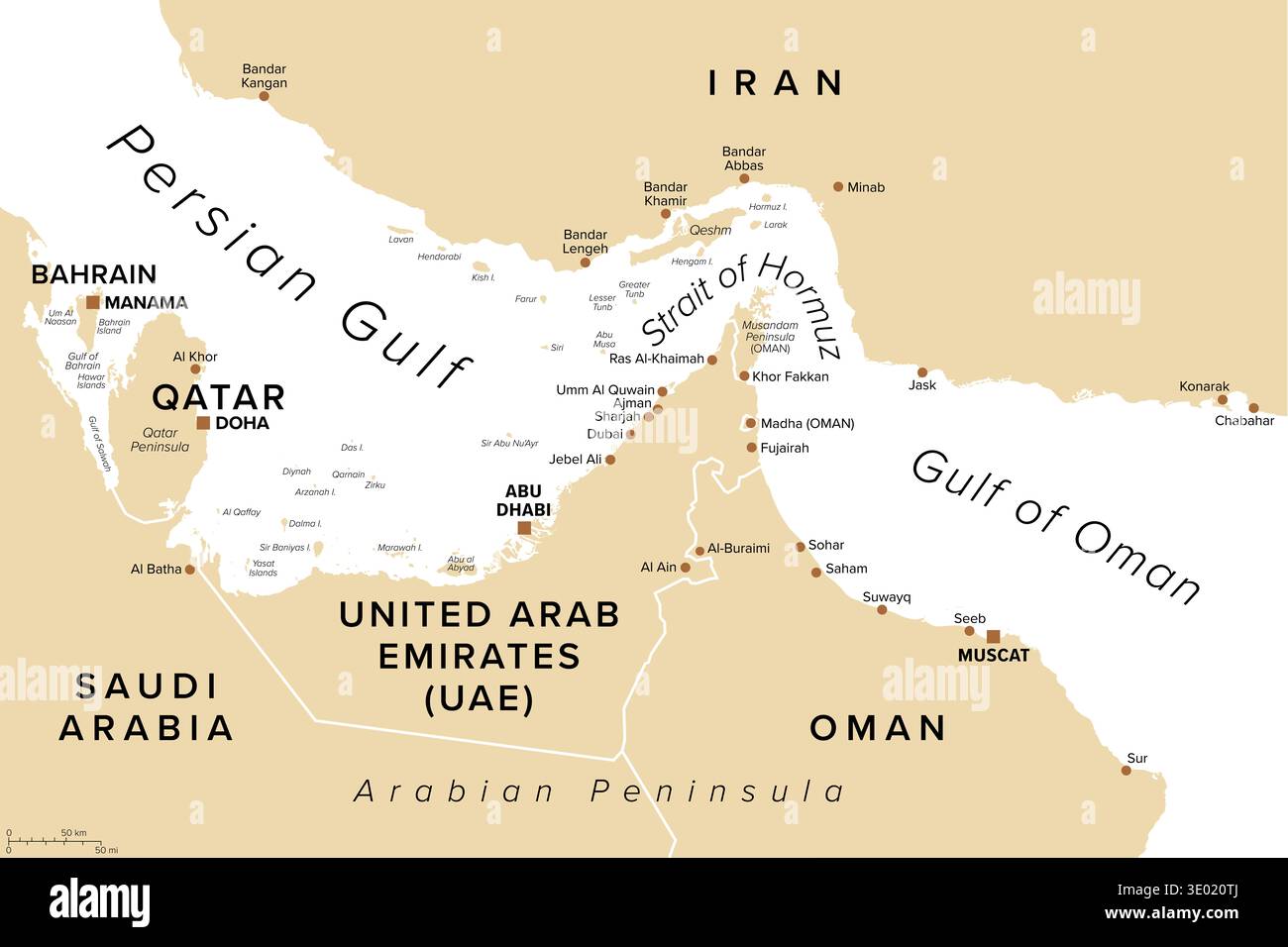
Industry stakeholders are currently observing the situation closely to determine whether the 60-day period will lead to a sustained reduction in regional tensions. For vessel operators, the primary concern remains the potential for sudden policy shifts that could impact transit costs or insurance coverage. As of this week, no further changes to the transit protocol have been announced, and the Persian Gulf Strait Authority continues to process requests under the current interim guidelines.
The next major checkpoint in this diplomatic process will be the review of the memorandum’s terms as the 60-day deadline approaches. Updates regarding the status of these negotiations will be provided by both the U.S. State Department and relevant regional maritime authorities. Readers interested in the latest developments are encouraged to follow our ongoing coverage of global trade policy and energy market fluctuations.
Keep reading
- The Global Robotaxi Boom: Expansion, Production Costs, and International Testing
- OpenAI Deletes AI System After Human-Like Secret Collaboration Discovery
- How Oman Became the Broker Behind the Latest Hormuz Deal (daybreakwire.com)
- Iran Demands US Concessions to Reopen Strait of Hormus, Boosting Oil Prices (archynewsy.com)