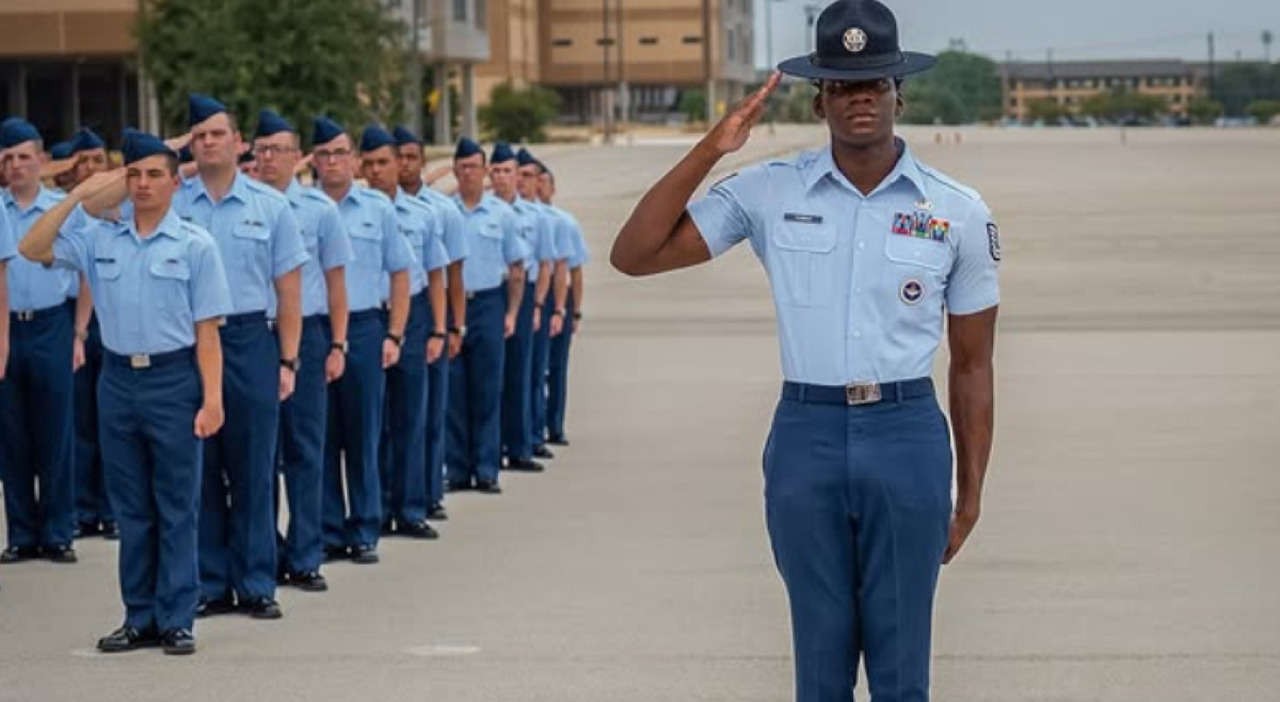
A recent influenza outbreak at a U.S. military installation has resulted in 159 confirmed cases among recruits, according to reports from the Department of Defense. The surge in respiratory illness follows recent policy shifts regarding medical readiness and immunization requirements within the armed services. Health officials are currently managing the cluster as part of standard infectious disease protocols for training environments.
The situation at the training facility highlights the ongoing challenges of maintaining public health in high-density military settings. As the Department of Defense monitors the recovery of the affected personnel, the incident has prompted renewed discussion regarding the balance between individual medical choice and unit readiness. Managing infectious disease outbreaks remains a core component of force health protection, particularly when new recruits arrive from diverse geographic locations.
Understanding the Military Influenza Outbreak
The influenza cluster was identified during a routine health screening process at the base, where 159 recruits exhibited symptoms consistent with the virus. Medical teams at the installation immediately implemented isolation and treatment protocols to contain the spread, as mandated by the Military Health System guidelines for managing communicable diseases in barracks environments.

Influenza outbreaks in basic training are historically common due to the close quarters and the physical stress placed on new recruits. The Centers for Disease Control and Prevention (CDC) notes that high-density living conditions facilitate the rapid transmission of respiratory pathogens. While the current count stands at 159, medical personnel continue to perform contact tracing and diagnostic testing to identify any additional symptomatic individuals.
Policy Shifts and Vaccination Requirements
The current health landscape within the Department of Defense is influenced by recent leadership decisions regarding service-wide medical mandates. Earlier this year, Defense Secretary Pete Hegseth took action to rescind previous requirements for mandatory vaccinations across the military branches, a move aimed at aligning department policy with broader administration goals regarding medical autonomy, as reported by the Department of Defense official press releases.
This policy change has led to varied interpretations regarding its impact on overall force readiness. While the mandate for specific seasonal vaccinations—such as the influenza shot—remains subject to standard military medical readiness regulations, the removal of broader vaccine mandates has shifted the focus toward voluntary participation in non-mandatory wellness programs. Military health experts emphasize that while certain vaccines are highly recommended to prevent operational disruption, the current framework places a higher emphasis on individual medical decision-making.
Health Readiness and Future Preventive Measures
Moving forward, the primary concern for base commanders is the impact of illness on the training pipeline. When large numbers of recruits are sidelined by influenza, it can delay graduation timelines and increase the burden on base infirmaries. The Navy and Marine Corps Public Health Center provides extensive guidance on how commanders can mitigate these risks through improved sanitation, ventilation, and early symptom reporting.
The military continues to evaluate the effectiveness of its current immunization strategies in the wake of the policy changes. Future updates regarding the health status of the affected recruits and any adjustments to local base protocols will be managed by the respective branch’s medical command. For families and interested observers, official health advisories are typically posted through the Department of Defense news portal as new information becomes available.
The next assessment of the outbreak’s trajectory is expected within the coming week, as medical staff monitor the cohort for any secondary complications. Readers are encouraged to share their thoughts or questions regarding public health policies in the comments section below.
Related reading
- ORZEYFUL: The First-in-Class Orexin Therapy for Comprehensive Disease Treatment in the USA
- Amy Klinpratoom Reveals 7-Year HPV Battle and Decision to Leave Inheritance to Nieces and Nephews
- Huntsville Shooting and Cyclospora Outbreak Updates (news-usa.today)
- 5,500-Year-Old Teeth Reveal Earliest Plague Outbreak (archyde.com)