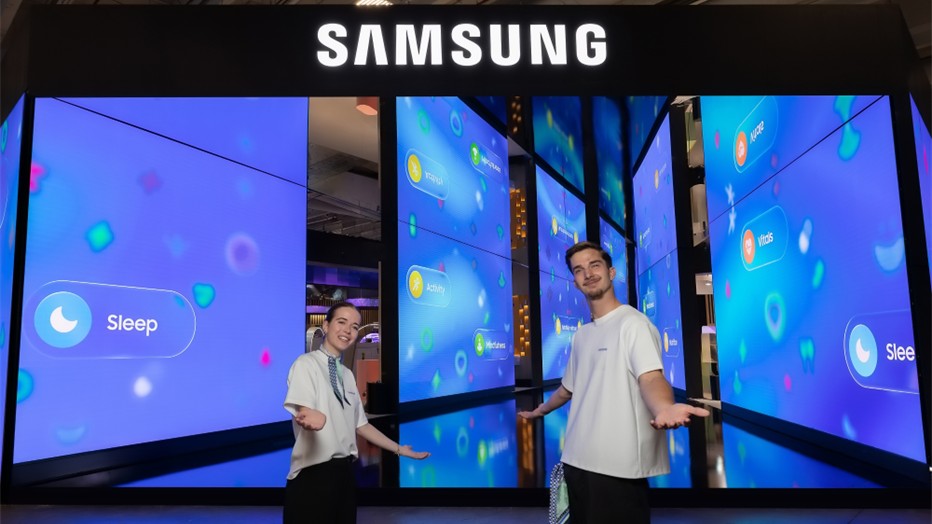
Samsung is expanding its “Connected Care” framework through an open ecosystem strategy, aiming to integrate disparate health and wellness devices into a unified, user-centric platform. Announced during the 2026 VivaTech conference in Paris, the initiative seeks to simplify how consumers monitor daily well-being by allowing third-party hardware and software to communicate seamlessly with the Samsung Health infrastructure.
The push for an open ecosystem reflects a broader industry shift toward interoperability in the digital health sector. By moving away from proprietary “walled gardens,” Samsung intends to allow users to aggregate data from various sensors, wearables, and home medical devices into a single interface. According to the company’s official corporate newsroom, the goal is to provide a more holistic view of individual health metrics, ranging from sleep patterns to cardiovascular data, without requiring consumers to remain locked into a single brand of hardware.
The Evolution of Connected Care
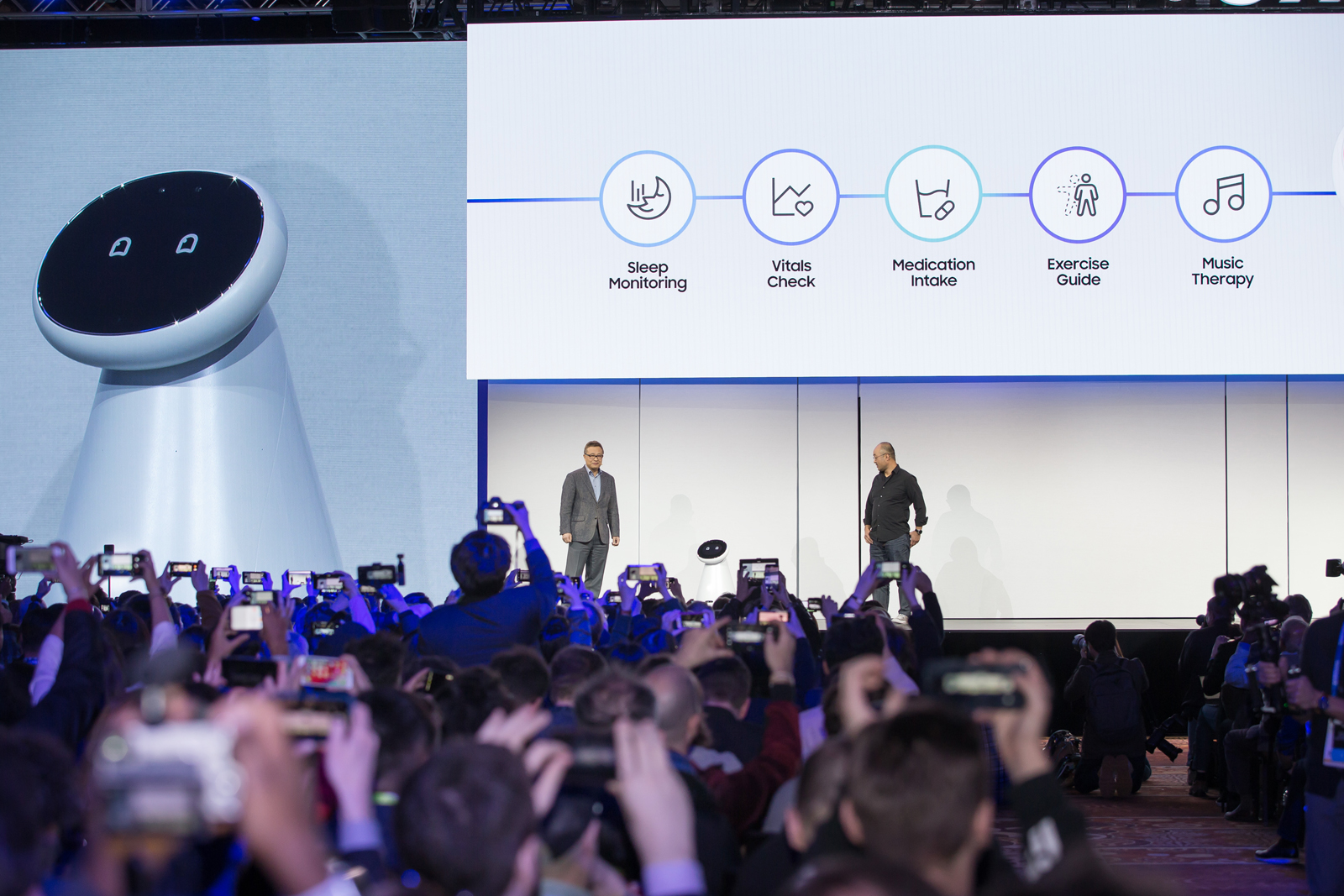
The “Connected Care” vision focuses on leveraging artificial intelligence to transform raw data into actionable insights for the end user. At the core of this development is the integration of the SmartThings platform with Samsung’s health suite, which allows for automated environmental adjustments based on biometric feedback. For instance, if a wearable device detects elevated stress levels or poor sleep quality, the ecosystem can automatically adjust smart lighting or thermostat settings to facilitate recovery.
This approach aligns with the growing demand for “ambient computing,” where technology operates in the background to improve quality of life. The VivaTech 2026 exhibition highlighted how these systems are increasingly relying on the Matter standard—a connectivity protocol supported by major industry players including Apple, Google, and Amazon—to ensure that devices from different manufacturers can interact securely. By adopting such universal standards, Samsung is positioning its health platform as a central hub rather than a peripheral tool.
Technical Integration and Data Privacy
For an open ecosystem to function effectively, data security and privacy remain the primary technical hurdles. Samsung has indicated that its Knox security platform will serve as the foundation for protecting health data as it flows between third-party applications and the central dashboard. Ensuring that sensitive biometric information remains encrypted and under user control is a mandatory requirement for compliance with global regulations such as the European Union’s General Data Protection Regulation (GDPR), which governs how health-related data is processed and stored across the continent.
In practice, the open ecosystem strategy involves providing developers with updated APIs (Application Programming Interfaces) that allow for a two-way flow of information. This enables independent developers to build apps that can both read data from Samsung devices and push personalized health recommendations back to the user’s dashboard. As reported by industry analysts covering the consumer tech space, the success of this model depends on the willingness of competitors and smaller health-tech startups to adopt these shared protocols, potentially creating a more competitive market for health-focused services.
Impact on Daily Wellness
The transition toward integrated wellness platforms is designed to address the “data fatigue” experienced by many users who currently manage multiple health apps. By centralizing information, the system aims to provide a clearer longitudinal analysis of a user’s health, which can be shared with healthcare professionals if the user chooses. This functionality is part of a wider trend in the electronics industry, where consumer-grade devices are increasingly bridging the gap between casual fitness tracking and clinical-grade health monitoring.
Looking ahead, the next phase of this development will likely involve more sophisticated predictive analytics. Samsung has scheduled further technical briefings for developers in the third quarter of 2026, where the company is expected to detail the expanded support for specialized medical sensors within the SmartThings framework. These updates will be critical for users who manage chronic conditions and require high-precision, real-time monitoring that goes beyond standard heart rate or step counting.
Frequently Asked Questions
What is the primary benefit of an open health ecosystem?
The main advantage is interoperability, which allows devices from different manufacturers to share data, providing a more complete picture of a user’s health without brand restrictions.
How does Samsung ensure user data privacy in this system?
According to company documentation, the system utilizes the Knox security platform to encrypt data, ensuring compliance with international privacy standards like GDPR.
Can third-party developers integrate their apps with Samsung Health?
Yes, the initiative involves updated APIs that allow developers to build compatible services, enabling a two-way exchange of health information.
Where can I find more information on these updates?
Official updates regarding API availability and compatibility standards are posted regularly to the Samsung Developers portal.
Readers interested in the latest developments regarding the rollout of these health connectivity features are encouraged to check the official company press releases for scheduled software update notifications. Please share your thoughts in the comments section below regarding how you manage your health data across multiple devices.
Keep reading