
The “curse of Rocky Balboa” has emerged as a persistent piece of Philadelphia sports folklore, suggesting that any visiting team that dresses the iconic Rocky Statue in their own team colors faces an immediate loss on the field. While sports superstitions are common, the trend has gained traction following high-profile instances where teams adorned the bronze figure at the Philadelphia Museum of Art, only to suffer significant defeats shortly thereafter.
The phenomenon gained renewed attention following the actions of fans during recent major sporting events in the city. According to reports from The Philadelphia Inquirer, the statue—a prop created for the film Rocky III and donated to the city by Sylvester Stallone—has become a lightning rod for opposing fanbases. While city officials have occasionally implemented measures to protect public property, the ritual of “dressing” the statue remains a recurring point of tension between local supporters and visiting enthusiasts.
The Origins of the Rocky Statue Tradition
The statue, depicting the fictional boxer Rocky Balboa, was placed at the base of the Philadelphia Museum of Art steps in 1982. It has since become one of the city’s most recognizable landmarks, drawing millions of tourists annually. The practice of decorating the statue began as a way for visiting fans to claim the territory of their opponents, but it quickly drew the ire of local residents who view the statue as a symbol of Philadelphia’s blue-collar identity and resilience.
Historically, the city has taken a dim view of unauthorized alterations to the monument. In 2006, the statue was moved to its current location near the foot of the stairs to better accommodate the increasing number of visitors. The Greater Philadelphia Tourism Marketing Corporation notes that the site remains a focal point for civic pride, often serving as the backdrop for major city celebrations and athletic achievements.
Myth vs. Reality in Sports Superstition
The “curse” narrative gained momentum when fans of visiting clubs attempted to claim the statue as a good-luck charm, only to see their teams falter in subsequent games. In the context of American professional sports, the correlation between such fan activities and game outcomes remains purely anecdotal. However, for many observers, the trend serves as a cautionary tale about respecting local traditions.

According to data tracked by local sports commentators, teams that have attempted to “brand” the statue have seen a statistically poor performance record in Philadelphia venues immediately following the act. While sports analysts at ESPN generally attribute game results to roster depth, coaching strategies, and home-field advantage rather than supernatural interference, the cultural impact of the “curse” remains a significant element of the Philadelphia fan experience.
City Management and Public Property
Philadelphia city officials have occasionally intervened to prevent the statue from being damaged or altered. During major events, the Department of Parks and Recreation has deployed staff to monitor the area, ensuring that the monument is not subjected to vandalism. These efforts are primarily aimed at preservation rather than the enforcement of sports-related superstitions.
Under city regulations, the unauthorized placement of items on public monuments can be classified as a nuisance or vandalism. The City of Philadelphia maintains strict guidelines regarding the care of public art, emphasizing that the Rocky statue is a city-owned asset that must remain accessible and undamaged for all visitors. The persistence of fan-led decorating rituals often places city workers in the position of balancing public expression with the duty to maintain municipal property.
What Happens Next for the Rocky Statue
As the sports calendar continues, the focus remains on whether visiting fans will continue to engage in the ritual. The next major test of this unofficial “curse” will likely occur during the upcoming season of professional football and baseball, where high-stakes games historically draw large numbers of traveling fans to Philadelphia.
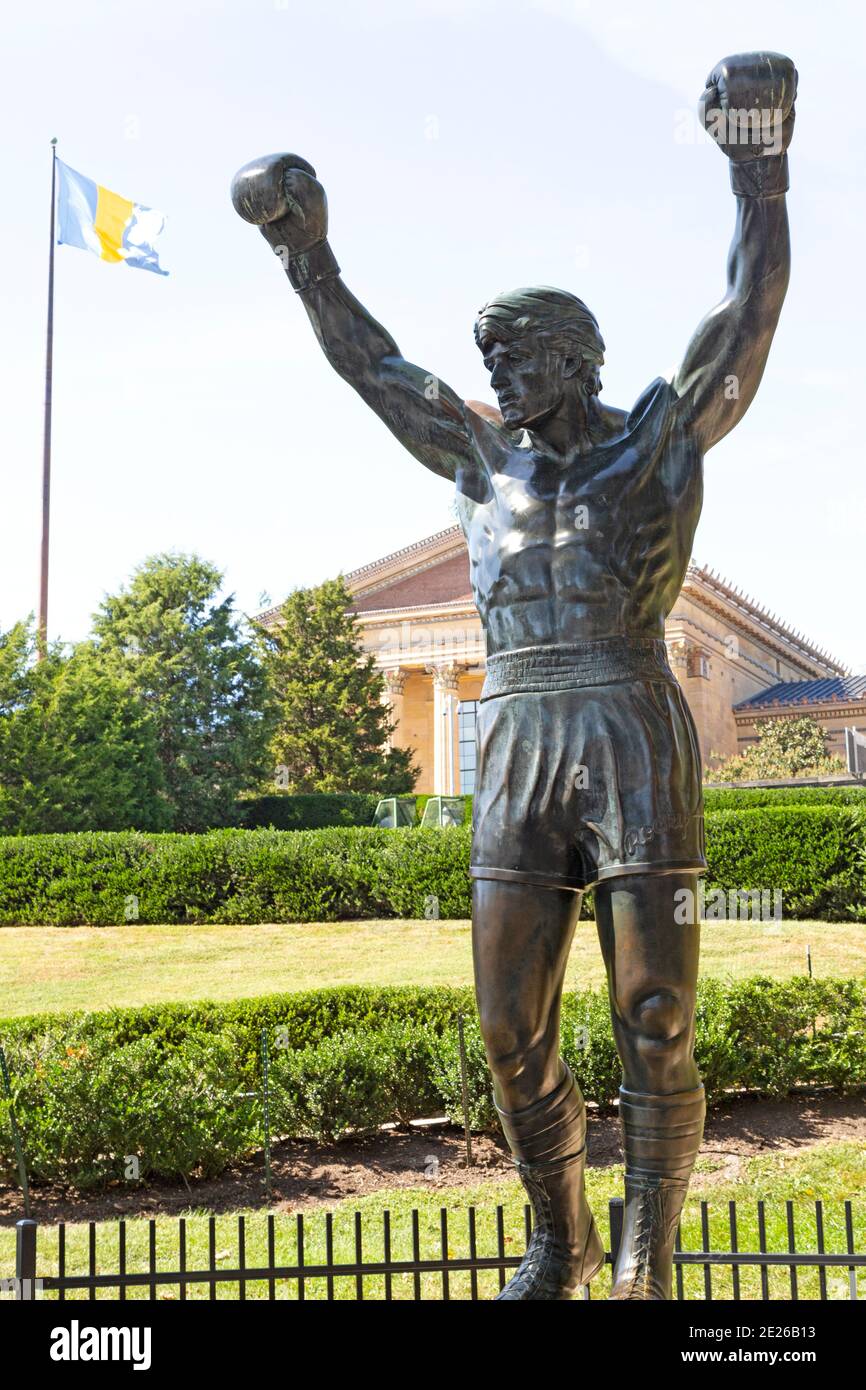
For now, the statue continues to stand as a testament to the intersection of pop culture and local identity. Whether the “curse of Rocky Balboa” is a genuine omen or simply a case of confirmation bias, the tradition of the statue as a focal point for fan rivalry is unlikely to fade. Readers interested in the history of the monument can find official visitor information on the city’s tourism portal, which tracks the statue’s role in the broader cultural landscape of Pennsylvania.
We invite our readers to share their thoughts on sports superstitions in the comments section below. Have you witnessed a team “curse” firsthand, or do you view these rituals as harmless fun?
Worth a look